Hair breakage vs. shedding: what's the difference?
By Ulta Beauty Advisors · Published October 2026
All products featured are available at Ulta Beauty. Ulta Beauty Advisors select products independently. Prices and availability are subject to change. Information provided is for educational purposes only and is not intended as medical advice or a guarantee of results.
Finding more hair than usual in your brush, shower drain or on your favorite sweater? Before you panic, here's the scoop: Hair breakage and hair shedding aren't the same thing. And knowing which one you're dealing with can make all the difference in how you care for your strands.
Hair breakage happens when strands snap somewhere along their length, often from heat styling, chemical treatments or everyday wear and tear. Hair shedding, on the other hand, happens when a strand naturally releases from the scalp as part of your hair's growth cycle.
The good news? There are ways to help protect your hair, minimize damage and keep your strands looking and feeling their best. Let's get to the root of it.
Hair breakage vs. shedding: How to tell the difference
Not sure whether your hair is breaking or shedding? Take a closer look at the strands you're finding.
Hair breakage: You'll typically notice shorter pieces of hair, uneven lengths, split ends or strands that feel rough and fragile. Breakage can happen anywhere along the hair shaft.
Hair shedding: You'll usually find full-length strands that have fallen from the scalp. Some may have a tiny white or translucent bulb at one end, which is a normal feature of a shed hair.
Hair appearance: Breakage can make your ends look thin, frizzy or uneven. Excessive shedding may make your ponytail feel smaller or your overall hair density look reduced.
Common triggers: Breakage is often linked to heat, bleach, friction and tight hairstyles. Increased shedding can be associated with stress, illness, hormonal changes or nutritional deficiencies.
What helps: Breakage calls for gentler styling and conditioning treatments. Excessive shedding may require identifying and addressing an underlying cause.
Quick tip: A tiny white bulb at the end of a full-length strand often points to shedding, not breakage. But strand length and appearance alone can't always tell you what's happening.
What causes hair breakage?
Hair breakage happens when the hair shaft becomes weakened and snaps. Think of it like a delicate thread that's been stretched, heated or rubbed one too many times.
Some of the most common causes include:
Excessive heat styling: Frequent blow-drying, flat ironing and curling can weaken hair, especially without heat protectant.
Bleaching and chemical treatments: Lightening, coloring, relaxing and perming can change the hair's structure, making strands more vulnerable to damage.
Overbrushing and rough detangling: Tugging at knots or brushing aggressively can cause strands to snap.
Tight hairstyles: Repeated tension from slicked-back buns, tight ponytails and braids can contribute to breakage.
Friction: Rough towels, pillowcases and even everyday styling habits can wear down the hair cuticle.
Dryness and weathering: Hair that lacks lubrication and has accumulated damage may become more brittle and prone to snapping.
What does hair breakage look like?
Breakage doesn't always mean finding big clumps of hair. Sometimes, it's the little things.
You might notice short, flyaway pieces around your hairline, ends that look wispy or uneven, or hair that tangles more easily than usual. Your strands may also feel rough, dry or less elastic.
One thing to keep in mind: Not every short hair is a broken hair. New growth can also appear as shorter strands, especially around your face and part.
What causes hair shedding?
Shedding is a natural part of your hair's growth cycle. Each strand goes through phases of growing, transitioning, resting and eventually releasing to make room for new hair.
It's normal to shed approximately 50 to 100 hairs per day, although the amount can vary depending on your hair type, washing routine and individual growth cycle.
Sometimes, though, shedding increases beyond your usual amount.
Common causes of excessive hair shedding include:
Physical or emotional stress: Significant stress can push more hairs into the resting phase, leading to noticeable shedding a few months later.
Hormonal changes: Pregnancy, postpartum changes, menopause and certain thyroid conditions can affect the hair growth cycle.
Illness or surgery: High fevers, major illnesses and surgical procedures can temporarily increase shedding.
Nutritional deficiencies: Inadequate iron, protein or other essential nutrients may contribute to hair loss.
Rapid weight loss: Sudden changes in nutrition or body weight can trigger temporary shedding.
Certain medications: Some medications can affect the hair growth cycle.
One common form of excessive shedding is called telogen effluvium. It often appears two to three months after a physical or emotional stressor and may improve once the trigger has resolved.
How long does hair shedding last?
It depends on the cause.
Temporary shedding associated with telogen effluvium often improves within three to six months after the trigger is addressed, although regaining your previous fullness can take longer.
If you're noticing ongoing shedding, widening of your part or visible thinning, a board-certified dermatologist can help determine what's happening.
How to stop hair breakage
Ready to give your strands a little extra TLC? These hair care habits can help reduce future breakage and keep your lengths looking smoother, softer and healthier.
1. Turn down the heat
Your flat iron might be a styling staple, but frequent high temperatures can leave strands more vulnerable to damage.
Apply a heat protectant before hot tools, choose the lowest effective temperature for your hair and work heat-free styles into your routine.
2. Make conditioning a priority
Dry, damaged hair often needs a little extra love.
Use conditioner after shampooing and incorporate a moisturizing hair mask or deep-conditioning treatment when your strands feel rough or tangled.
Look for ingredients such as glycerin, fatty alcohols and conditioning oils that help improve softness, slip and manageability.
3. Try a bond-building treatment
If your hair has been bleached, colored or frequently heat-styled, bond-building treatments may help improve its strength and reduce breakage.
These formulas are designed to target certain types of hair damage, although their benefits vary by product and they can't fully restore severely damaged strands.
4. Detangle with care
Be gentle with your hair, especially when it's wet.
Start at the ends and work upward using a wide-tooth comb or detangling brush. A leave-in conditioner can add slip and help minimize tugging.
5. Trim damaged ends
Split ends won't permanently fuse back together, no matter how much conditioner you use.
Regular trims can remove existing splits and help prevent them from traveling farther up the hair shaft. Think fresh ends, fewer tangles and a smoother-looking finish.
How to manage hair shedding
When it comes to shedding, your scalp and overall health deserve just as much attention as your strands.
1. Keep your scalp clean and comfortable
A healthy scalp care routine starts with regular cleansing.
Choose a shampoo suited to your scalp type and wash as often as needed to manage oil, sweat and product buildup. Skipping washes won't prevent naturally shed hairs from releasing.
2. Support your hair with balanced nutrition
Your hair needs adequate protein, iron and other nutrients to support normal growth.
Focus on a balanced diet rather than immediately reaching for hair-growth supplements. Supplements are most helpful when they address a confirmed deficiency, and too much of certain nutrients can actually contribute to hair loss.
3. Give your hair a styling break
While gentler styling won't necessarily stop shedding that begins inside the follicle, it can help prevent additional breakage.
Try loose hairstyles, minimize unnecessary tension and avoid aggressive brushing.
4. Be patient with your growth cycle
Hair growth takes time.
If shedding was triggered by an illness, stressful event or hormonal change, visible improvement may take several months after the underlying cause resolves.
5. Know when to seek expert help
If shedding seems excessive, persists for several months or comes with noticeable thinning, consult a board-certified dermatologist.
Seek an evaluation sooner if you notice sudden patchy hair loss, scalp pain, redness, scaling or significant itching.
Remember: Hair care products can help improve the condition of your hair and scalp, but they can't treat every underlying cause of excessive shedding.
Our product picks
Whether you're dealing with damaged lengths or looking to give your scalp some extra attention, the right products can help support your hair care routine.
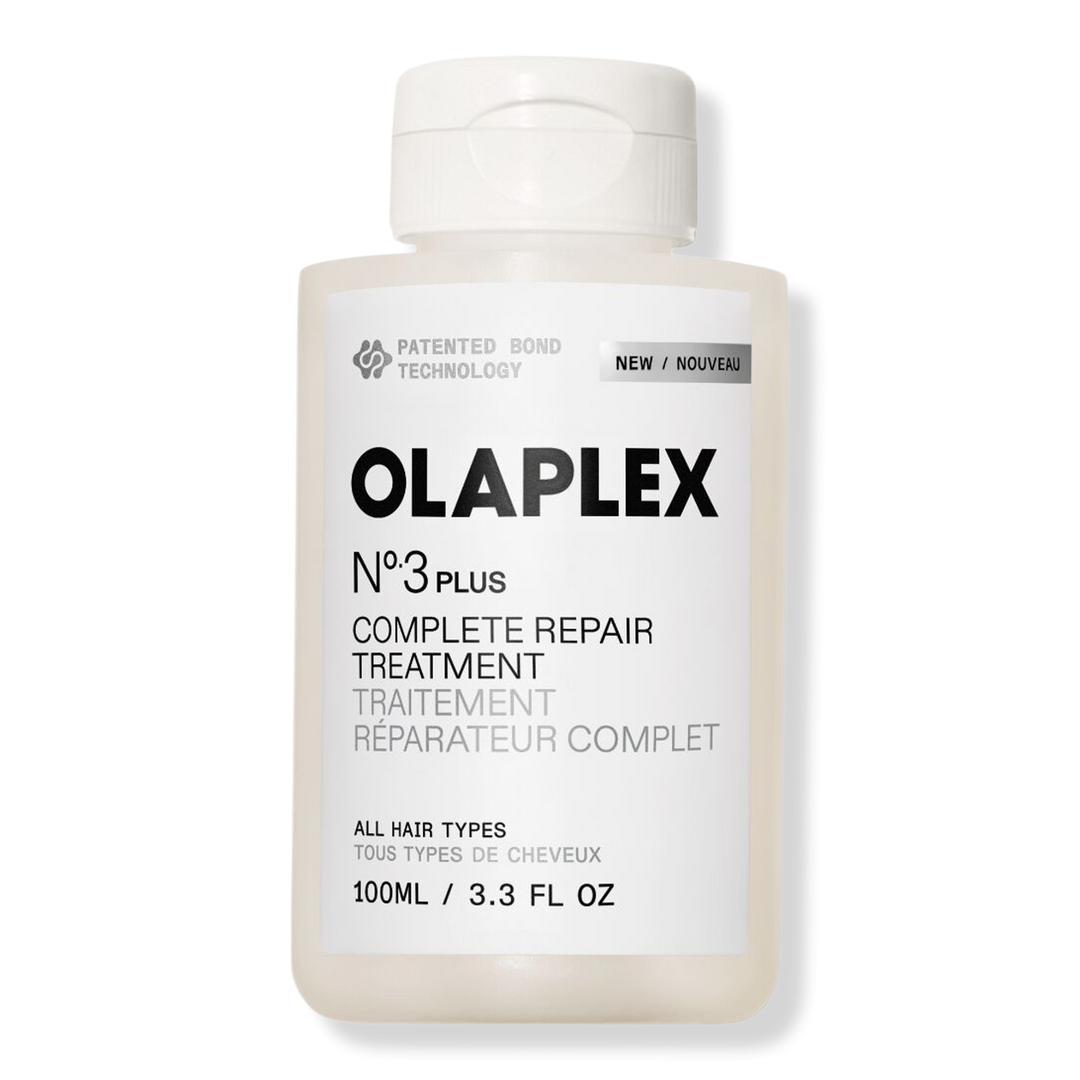
Hair breakage pick: Olaplex No.3 Hair Perfector
Pre-shampoo repairing treatment | $30.00
Shop Olaplex No.3 Hair Perfector at Ulta Beauty →
Break up with breakage. This bond-building treatment helps strengthen damaged hair, improve its appearance and reduce breakage caused by everyday styling and chemical processing. It's an especially helpful addition to routines for bleached, color-treated or heat-damaged hair.
Key specs: Bond-building treatment · Pre-shampoo application · Helps reduce breakage · Suitable for damaged and color-treated hair
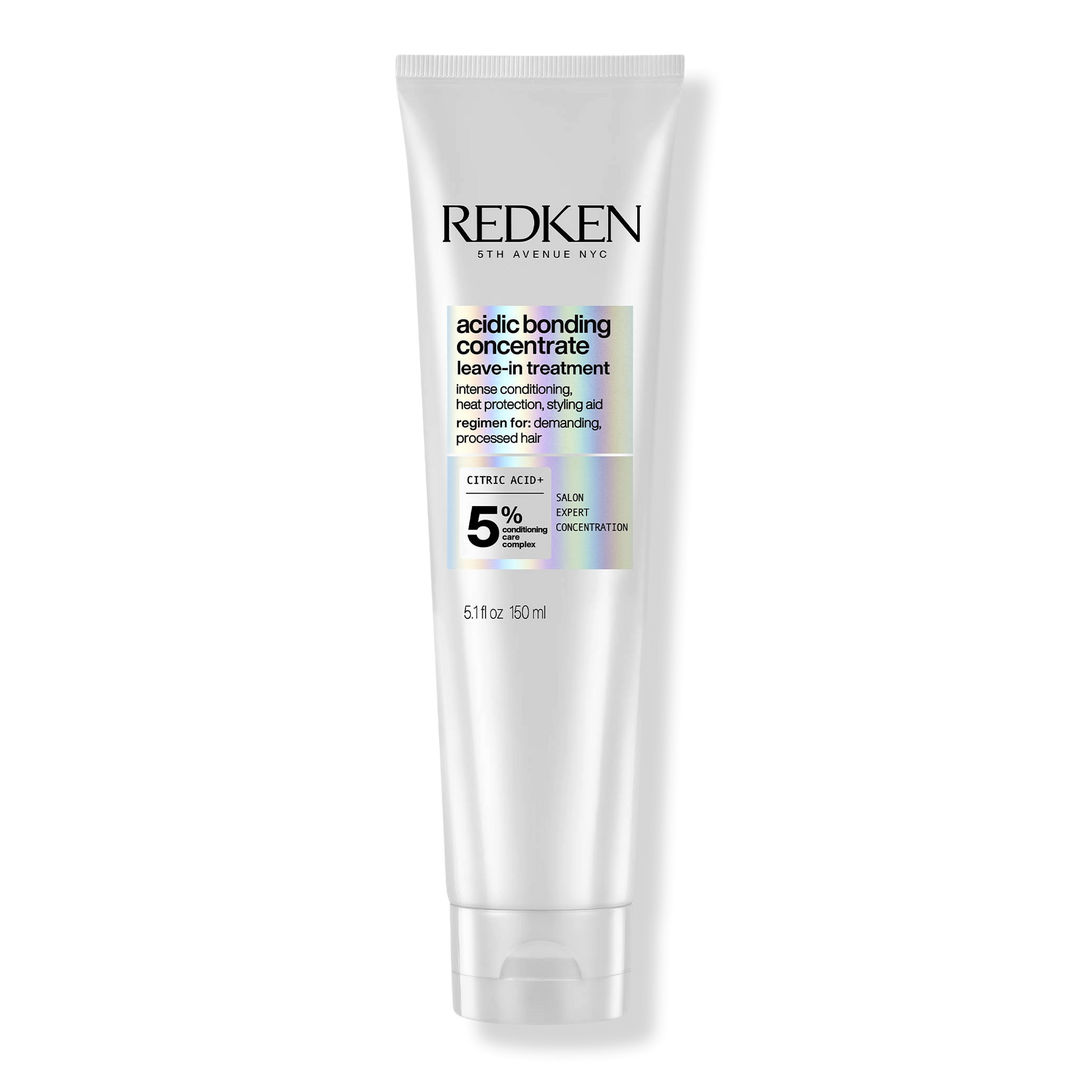
Hair breakage pick: Redken Acidic Bonding Concentrate Leave-In Treatment
Leave-in conditioning treatment | $39.00
Shop Redken Acidic Bonding Concentrate at Ulta Beauty →
Stronger strands, smoother styling. This leave-in treatment helps condition damaged hair, reduce the appearance of split ends and protect against heat-related damage. A little extra TLC for lengths that have been through a lot.
Key specs: Leave-in formula · Heat protection · Helps reduce breakage · Ideal for damaged and chemically treated hair
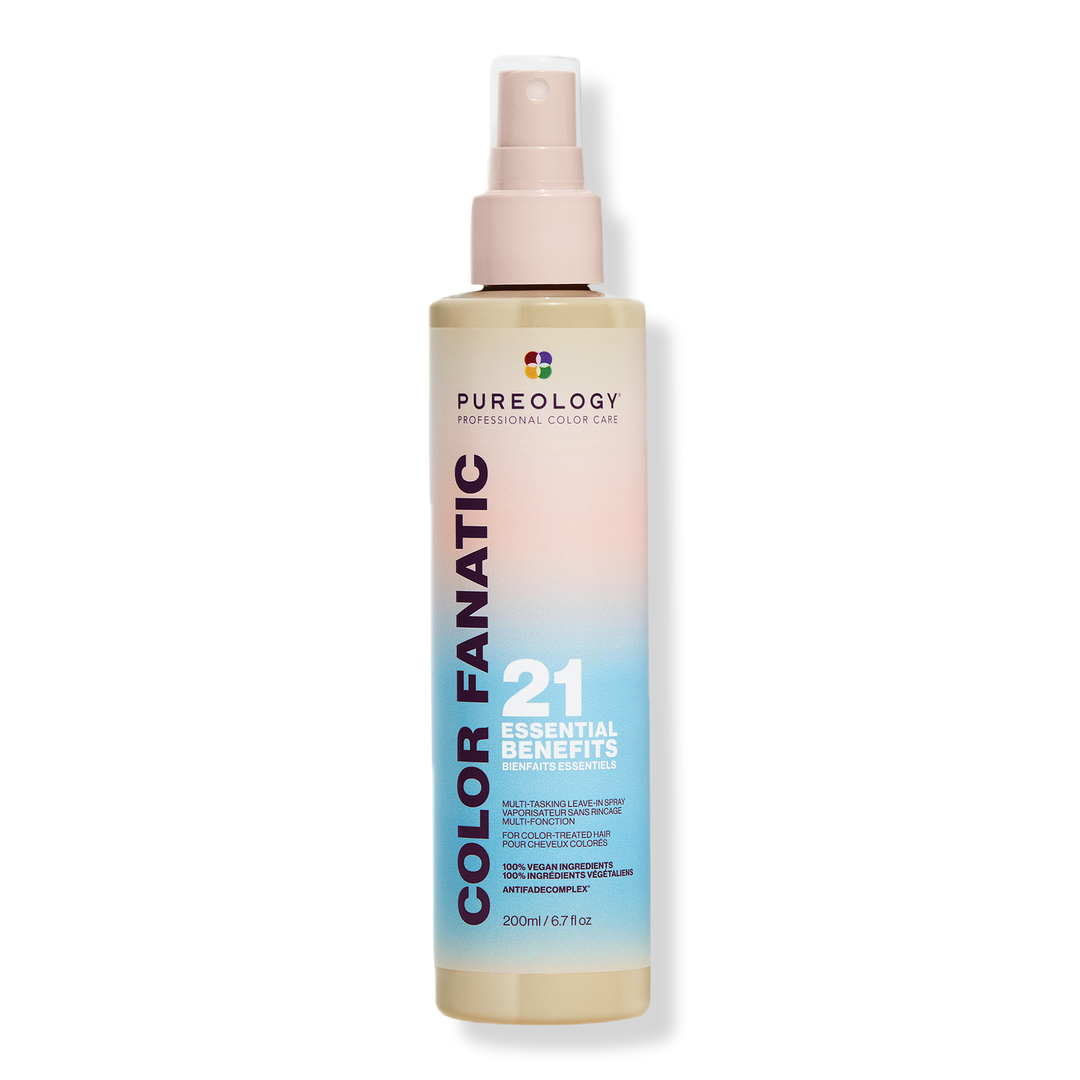
Hair breakage pick: Pureology Color Fanatic Multi-Tasking Leave-In Spray
Multi-benefit leave-in conditioner | $15.00 to $56.00
Shop Pureology Color Fanatic at Ulta Beauty →
Detangle, soften, protect. This multitasking leave-in spray helps reduce friction during brushing, adds moisture and provides heat protection. It's an easy everyday addition for keeping your strands manageable and minimizing styling-related breakage.
Key specs: Leave-in spray · Detangling benefits · Heat protection · Suitable for color-treated hair
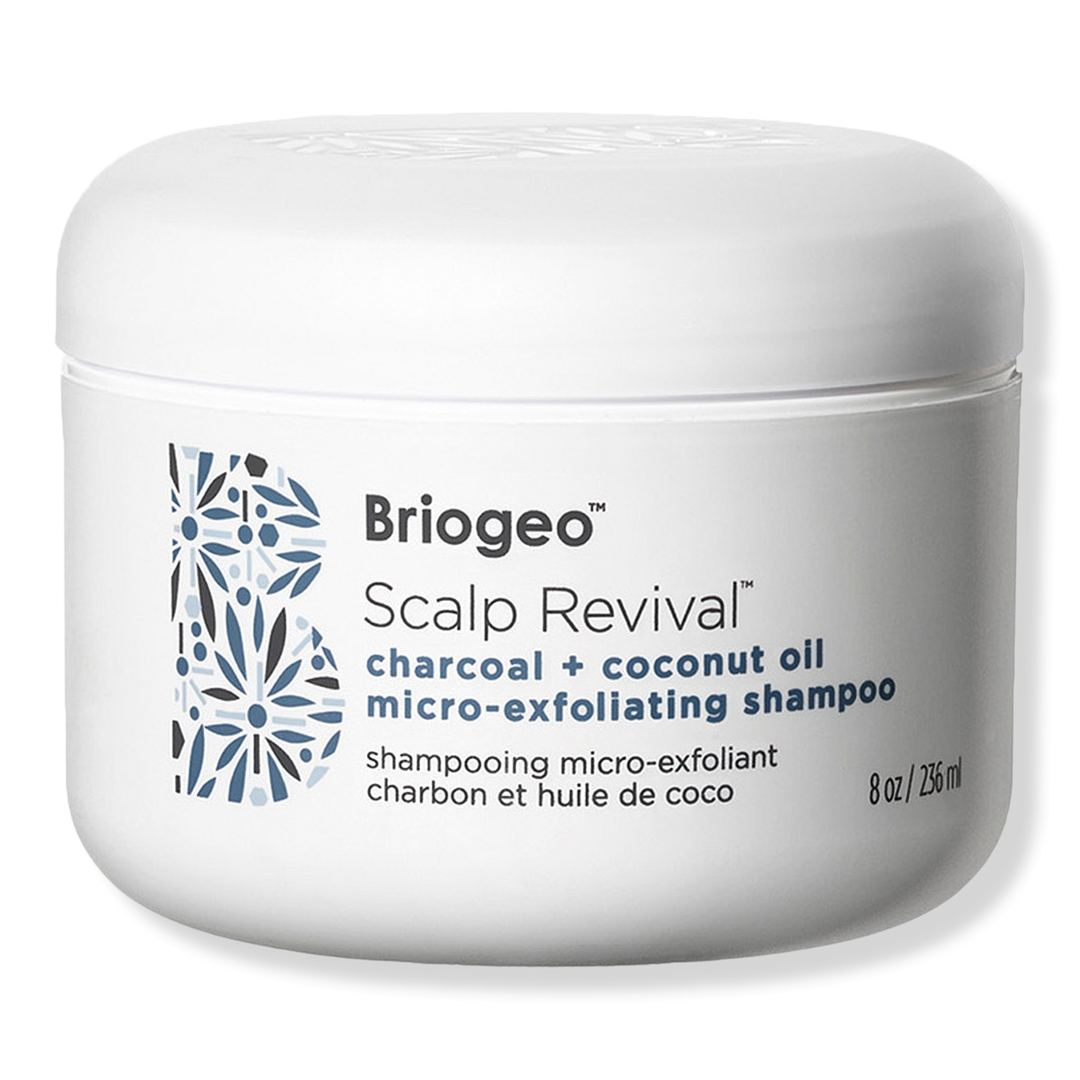
Scalp care pick: Briogeo Scalp Revival Charcoal + Coconut Oil Micro-Exfoliating Shampoo
Exfoliating scalp shampoo | $15.00 to $134.00
Shop Briogeo Scalp Revival Shampoo at Ulta Beauty →
Fresh scalp, fresh start. This exfoliating shampoo helps remove buildup, excess oil and impurities while leaving your scalp feeling clean and refreshed. It's a scalp care option for anyone looking to give their wash routine a little reset.
Key specs: Scalp exfoliation · Helps remove buildup · Charcoal and coconut oil · Not a treatment for excessive shedding
Product note: These picks support hair strength, manageability and scalp care. They are not intended to diagnose or treat medical causes of hair loss or excessive shedding.
Hair breakage vs. shedding: Frequently asked questions
How can I tell if my hair is breaking or shedding?
Check the strands you're finding. Broken hairs are often shorter than your overall hair length and may have frayed or uneven ends. Shed hairs are usually full-length strands that have released from the scalp, sometimes with a tiny white bulb at one end. These clues can help, but they aren't a definitive diagnosis.
Is it normal to lose hair every time I wash it?
Yes! Hair shedding is a normal part of your growth cycle. According to the American Academy of Dermatology, shedding approximately 50 to 100 hairs daily is typical. If you wash your hair less frequently, you may notice several days' worth of shed strands at once.
Can hair breakage make your hair look thinner?
Absolutely. When strands repeatedly break along their lengths, your ends can appear wispy, uneven or less full. Unlike shedding, breakage doesn't necessarily mean you're losing hair from the follicle.
Can hair shedding and breakage happen at the same time?
Yes. You might experience increased shedding due to stress or hormonal changes while also dealing with breakage from heat styling or chemical treatments. That's why understanding what's happening with both your scalp and strands matters.
Does washing your hair less prevent shedding?
No. Washing less frequently doesn't stop the natural hair growth cycle. Shed hairs may simply remain caught among your strands until your next wash or detangling session. Choose a cleansing schedule that works for your scalp and hair type.
Can hair masks stop hair shedding?
Hair masks can help improve moisture, softness and manageability, which may reduce breakage. However, they don't stop shedding caused by hormonal changes, illness, nutritional deficiencies or other internal factors.
Does hair grow back after excessive shedding?
Often, yes. Temporary shedding caused by telogen effluvium commonly improves once the underlying trigger resolves. However, not all hair loss is temporary, and regrowth depends on the cause. A dermatologist can help determine what to expect.
What ingredients help reduce hair breakage?
Look for conditioning ingredients such as glycerin, panthenol, fatty alcohols and plant oils, along with products formulated with bond-building technology. These can help improve softness, manageability and resistance to everyday styling damage.
When should I worry about hair shedding?
If you're noticing a sudden increase in shedding, bald patches, a widening part or visible thinning, consider scheduling an appointment with a dermatologist. Getting to the root cause early can help you understand your options.
The bottom line
Hair breakage and shedding might look similar, but they need different kinds of attention. Breakage is all about protecting your lengths from damage, while shedding starts at the scalp and may be influenced by your natural growth cycle or changes in your health.
Your best move? Pay attention to what your hair is telling you. Treat damaged strands gently, build a routine that works for your hair type and seek expert guidance when shedding feels out of the ordinary.
Healthy-looking hair starts with understanding your hair. And that's always a good hair day.
Related Content: K Beauty Hair Care, Best Volumizing Hair Products, Best Blow Dry Brushes, Best Hair Oils, Best Shampoo Products for Oily Hair, Protein vs Moisture Treatment for Hair, How to Protect Hair From Heat Damage, Hair Care Ingredients for Color Treated Hair
Explore more Hair Care Buying Guides and Beauty Education Articles.