The best retinol body lotions and moisturizers
Targeted treatments for your skin from the neck down.
Best retinol body moisturizers for smoother-looking skin
Formulas that soften the look of rough spots and fine lines.
12 items
Use previous and next buttons to navigate the slides of the Best retinol body moisturizers for smoother-looking skin Product Carousel
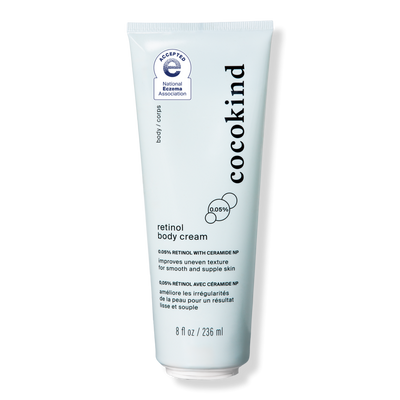
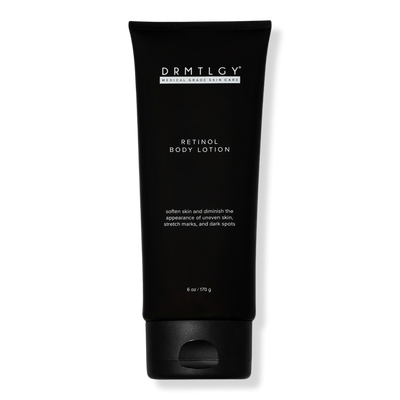
DRMTLGY
Retinol Body Lotion Firming and Smoothing Moisturizer
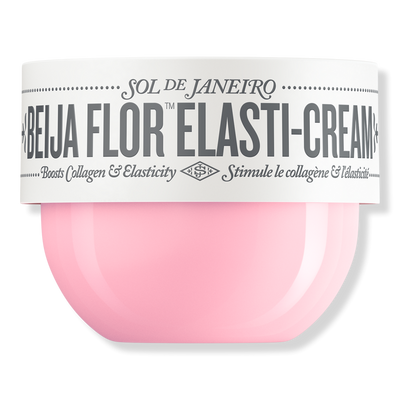
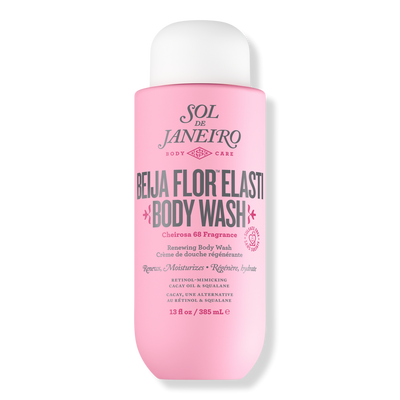
Sol de Janeiro
Beija Flor Body Collagen-Boosting Elasti-Cream with Bio-Retinol
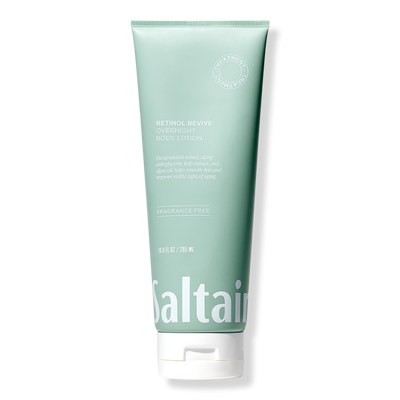
Saltair
Retinol Revive Lightweight Overnight Body Lotion with Glycolic Acid
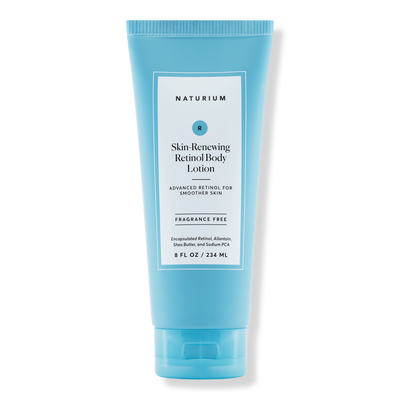
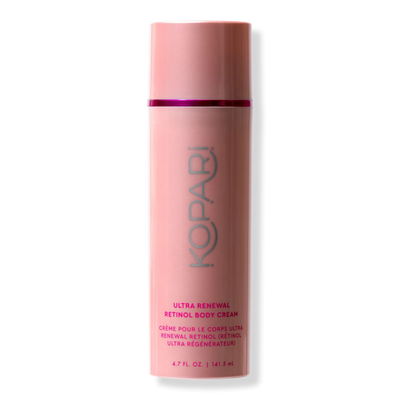
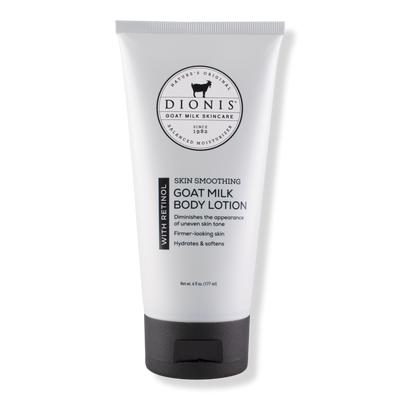
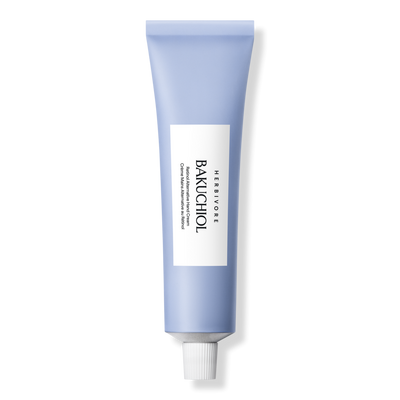
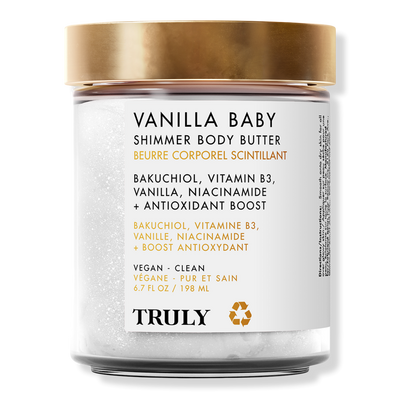
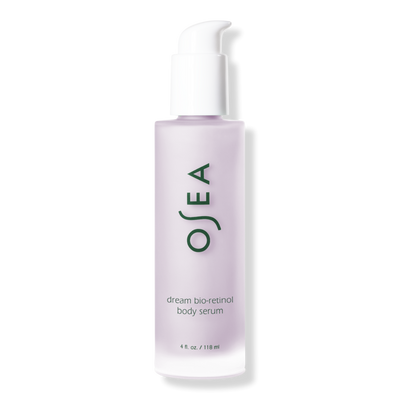
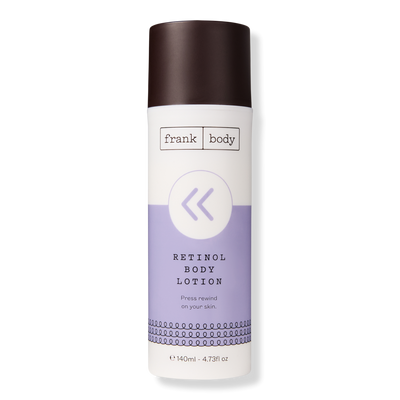
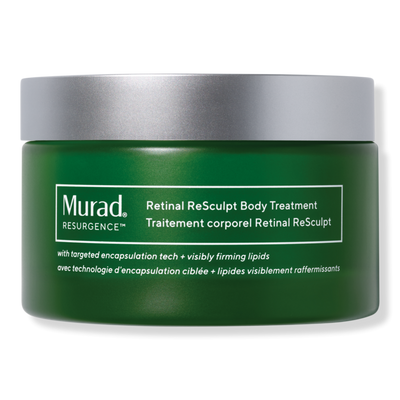
Best retinol body moisturizers for firming and elasticity
Formulas that soften the look of rough patches.
10 items
Use previous and next buttons to navigate the slides of the Best retinol body moisturizers for firming and elasticity Product Carousel
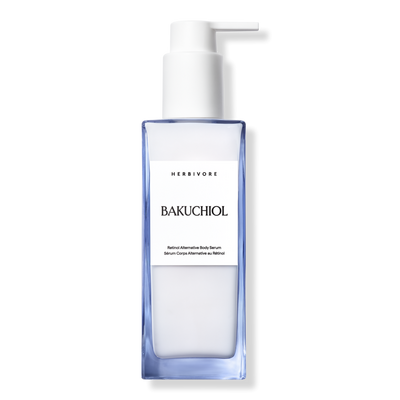
HERBIVORE
BAKUCHIOL Retinol Alternative Body Serum
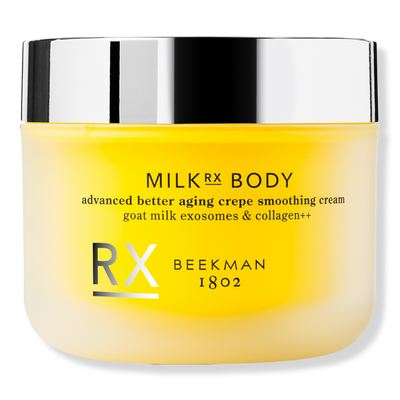
Beekman 1802
Milk RX Body Advanced Better Aging Crepe Smoothing Cream
By Ulta Beauty Advisors · Published October 2026
Frequently asked questions
What is retinol body lotion and what does it do?
Retinol body lotion is a moisturizer formulated with retinol, a vitamin A derivative that speeds up skin cell turnover, to help smooth rough patches and even out tone anywhere below the neck. Think elbows, knees, arms and legs, not your face.
Unlike face-focused retinol products, body formulas are often paired with richer moisturizing bases like shea butter or ceramides since skin on the body tends to be thicker and less reactive. Regular use can leave skin feeling softer and looking more even over time.
How do I choose the best retinol cream for my body?
Start by looking at retinol concentration and the base formula; lower percentages (around 0.1 to 0.3 percent) work well for beginners while richer creams suit dry areas like knees and elbows better than thin lotions.
A few things worth checking on the label:
Retinol percentage: lower for sensitive skin or first-time use, higher for those already retinol-tolerant on the body
Supporting ingredients: hyaluronic acid or ceramides help offset dryness
Packaging: opaque or airless pumps protect retinol from light and air, which keeps it effective longer
Fragrance: fragrance-free options are gentler for sensitive or reactive skin
Your skin's needs, not just what's trending, should guide the pick.
How do I use retinol body lotion without irritation?
Apply retinol body lotion to clean, dry skin two to three nights a week to start, then build up frequency as your skin adjusts. Going slow is the number one way to avoid irritation.
A simple routine:
Cleanse and pat skin dry
Apply a pea-sized amount to each area (elbows, knees, arms or legs)
Follow with a plain moisturizer to lock in hydration
Always use SPF the next day, since retinol can increase sun sensitivity
Skip layering retinol with other active ingredients like exfoliating acids at first, your skin needs time to build tolerance.
What benefits can I expect from retinol body cream?
Retinol body cream is best known for smoothing texture, softening the look of fine lines and supporting firmer-feeling skin over time. Results build gradually with consistent use, usually over several weeks.
Common benefits include:
Smoother texture: helps soften rough patches like keratosis pilaris ("chicken skin")
More even tone: fades the look of dark spots and discoloration on arms and legs
Firmer feel: supports collagen production, which can help skin feel more resilient
Refined pores: can reduce the appearance of bumpy texture on the back and chest
Patience matters here; visible change typically takes eight to twelve weeks of regular use.
Is retinol body lotion safe for sensitive skin?
Yes, but sensitive skin types should choose a lower retinol percentage and introduce it slowly by starting once or twice a week. Body skin is generally more tolerant than facial skin, but reactions can still happen.
To keep things gentle:
Patch test on a small area first
Choose formulas with soothing ingredients like oat extract or niacinamide
Avoid using on broken, sunburned or recently shaved skin
Pair with a rich moisturizer to buffer potential dryness
If redness or peeling shows up, cut back frequency rather than stopping altogether, your skin just needs more time to adjust.
What side effects should I watch for with retinol body products?
The most common side effects are dryness, mild redness and flaking, especially in the first few weeks of use. These are usually signs your skin is adjusting, not a reason to panic.
Watch for:
Dryness or flaking: normal at first, manageable with a good moisturizer
Redness or stinging: reduce frequency if this happens
Increased sun sensitivity: daily SPF is non-negotiable while using retinol
Persistent irritation: if it doesn't calm down after a week of reduced use, switch to a lower concentration
Most side effects fade as your skin builds tolerance, give it time before deciding a product isn't for you.
What's a good beginner routine for retinol on the body?
For beginners, start with a low-concentration retinol lotion applied two nights a week, then gradually increase to every other night as your skin adjusts. Consistency matters more than speed here.
A beginner-friendly approach:
Weeks 1-2: apply twice weekly to test tolerance
Weeks 3-4: increase to every other night if skin feels comfortable
Ongoing: layer with a fragrance-free moisturizer and never skip morning SPF
Give your skin at least six to eight weeks before judging results, retinol is a long game, not a quick restore.
Retinol body lotion vs retinol body cream: what's the difference?
The main difference is texture and hydration level; lotions are lighter and absorb faster, while creams are richer and better suited for very dry or rough areas like elbows and knees.
Here's how to decide:
Choose lotion if you want something lightweight that layers easily under clothes
Choose cream if your skin runs dry or you're targeting particularly rough patches
Both can contain the same retinol percentage, the difference comes down to the moisturizing base, not the active ingredient itself
Some people even use both: cream on dry spots and lotion for all-over application.
Related Content: Birthday Gift for Best Friend, Holiday Gift Guide, Best Body Care Products, Best After Sun Care, Anti-Inflammatory Products, Affordable Body Products, Best Vitamin C Products, Best Body Washes
Explore more Body Care Buying Guides and Beauty Education Articles