Body acne vs. keratosis pilaris: what's causing your bumps?
By Ulta Beauty Advisors · Published October 2026
All products featured are available at Ulta Beauty. Ulta Beauty Advisors select products independently. Prices and availability are subject to change.
Information provided is for educational purposes only and is not intended as medical advice or a guarantee of results.
Little bumps, big questions. If you've noticed tiny bumps on your arms, thighs, back or chest, you might be wondering: is it body acne or keratosis pilaris (KP)? Both can leave your skin looking bumpy, but they're not the same thing. And knowing the difference can help you find a body care routine that works for you.
Here's what you'll learn. We're breaking down what body acne and keratosis pilaris actually are, how to spot the differences and which skincare ingredients may help. Plus, body care tips, product picks and answers to your most asked questions.
Let's get to the bottom of those bumps.
What is body acne?
Body acne is exactly what it sounds like: acne that shows up beyond your face. It happens when pores become clogged with excess oil and dead skin cells, which can lead to blackheads, whiteheads and inflamed pimples. Bacteria and inflammation can also play a role.
You'll most often spot body acne on your back, chest and shoulders, where oil-producing glands are more active. Sweat, friction from tight clothing and certain body care products can also contribute to breakouts.
The giveaway? Body acne can show up as different types of blemishes, including red or inflamed bumps, whiteheads and blackheads. Some breakouts may even feel tender or painful.
Common signs of body acne:
- Pimples, whiteheads or blackheads
- Red or inflamed bumps that may feel tender
- Breakouts on the back, chest or shoulders
- Blemishes that appear and disappear over time
What is keratosis pilaris?
Meet KP, short for keratosis pilaris. Sometimes called "chicken skin," KP is a common, harmless skin condition that creates tiny, rough-feeling bumps, usually on the upper arms, thighs or buttocks.
Unlike body acne, KP happens when keratin, a protein found in your skin, builds up and plugs hair follicles. The result? Small bumps that can feel like sandpaper or permanent goosebumps.
KP bumps may look skin-colored, pink, red, brown or darker than the surrounding skin, depending on your skin tone. They typically aren't painful, although the skin can feel dry or itchy.
And here's something worth knowing: KP isn't contagious, isn't caused by poor hygiene and doesn't require treatment unless it bothers you.
Common signs of keratosis pilaris:
- Tiny, rough bumps that feel like sandpaper
- Bumps clustered on the upper arms, thighs or buttocks
- Dry skin or occasional itchiness
- A texture that may become more noticeable during colder, drier months
The key differences at a glance
Same bumps? Not quite. While body acne and keratosis pilaris can look similar, a few key differences can help you tell them apart. Here's what to look for:
- Appearance: Body acne can show up as blackheads, whiteheads or inflamed pimples, while keratosis pilaris typically creates small, uniform bumps that resemble goosebumps.
- Texture: Body acne may feel raised, swollen or tender. KP usually feels dry, rough or sandpaper-like.
- Common locations: Body acne often appears on your back, chest and shoulders. KP is more common on your upper arms, thighs and buttocks.
- Causes: Body acne develops when pores become clogged with oil and dead skin cells, with bacteria and inflammation playing a role. KP happens when keratin builds up and plugs hair follicles.
- Helpful ingredients: Salicylic acid and benzoyl peroxide can help manage body acne, while lactic acid, glycolic acid, urea and salicylic acid can help improve the rough texture associated with KP.
- Can it go away? Body acne may improve or clear with treatment, although breakouts can return. KP may improve naturally over time, but ongoing skincare can help manage its appearance.
The bottom line? Body acne is all about clogged pores and breakouts, while KP is more about keratin buildup and rough texture. Different causes, different care. Knowing what you're dealing with is the first step toward finding your skin's happy place.
How to tell if your bumps are body acne or KP
Not sure which bumps you're dealing with? These four steps can help you recognize some common differences. Just remember, other skin conditions can look similar, so a dermatologist is your best bet for a diagnosis.
Step 1: Check where the bumps appear
Location can offer your first clue. Breakouts across your back, chest or shoulders may point toward body acne. Tiny bumps along the backs of your upper arms or thighs are more commonly associated with KP.
The plot twist? Both conditions can appear in overlapping areas, and you can have both at once.
Step 2: Feel the texture
Run your fingertips gently over the area. Does it feel rough and grainy, almost like sandpaper? That's a common sign of KP.
Body acne tends to produce more distinct blemishes, which may feel raised, inflamed or tender.
Step 3: Look for whiteheads or blackheads
See blackheads, whiteheads or pimples with visible pus? Those are more characteristic of acne.
KP usually appears as tiny, similarly sized bumps without the typical blackheads or whiteheads associated with acne.
Step 4: Notice how your skin changes
Body acne may flare with sweat, friction or hormonal changes. KP often becomes more noticeable when your skin is dry, especially during winter.
Neither clue is a diagnosis, but understanding your skin's patterns can help you decide when to seek professional advice.
How to care for body acne vs. keratosis pilaris
Different causes call for different approaches. The good news? You don't need a complicated body care routine to get started. A few thoughtfully chosen ingredients can make a difference.
Best ingredients for body acne
Salicylic acid: A beta hydroxy acid (BHA) that helps exfoliate inside pores and remove dead skin cells. It's especially helpful for blackheads and whiteheads.
Benzoyl peroxide: An acne-fighting ingredient that reduces acne-causing bacteria and helps manage inflamed breakouts. Look for it in body washes or acne treatments.
Adapalene: An over-the-counter retinoid that helps keep pores from becoming clogged. It may be useful for certain types of body acne when used as directed.
Lightweight moisturizers: Acne-prone skin needs hydration, too. Look for non-comedogenic formulas that help moisturize without clogging pores.
Best ingredients for keratosis pilaris
Lactic acid: An alpha hydroxy acid (AHA) that gently exfoliates dead skin cells and can help improve rough-feeling texture.
Glycolic acid: Another AHA that helps loosen and remove dead skin cells, making it a popular ingredient in exfoliating body care.
Urea: A multitasker that helps hydrate dry skin and, in certain concentrations, soften and exfoliate rough patches.
Salicylic acid: Yes, this ingredient does double duty! Its exfoliating properties can also help reduce the buildup of dead skin cells associated with KP.
Ceramides: These help support your skin's moisture barrier, making them a great addition to a routine for dry, rough-feeling skin.
The takeaway? Body acne care typically focuses on clogged pores and breakouts, while KP care prioritizes gentle exfoliation and consistent moisturizing.
Our product picks
Ready to give your body care routine a little TLC? Whether you're dealing with body breakouts or rough, bumpy skin, these picks can help you find your match.
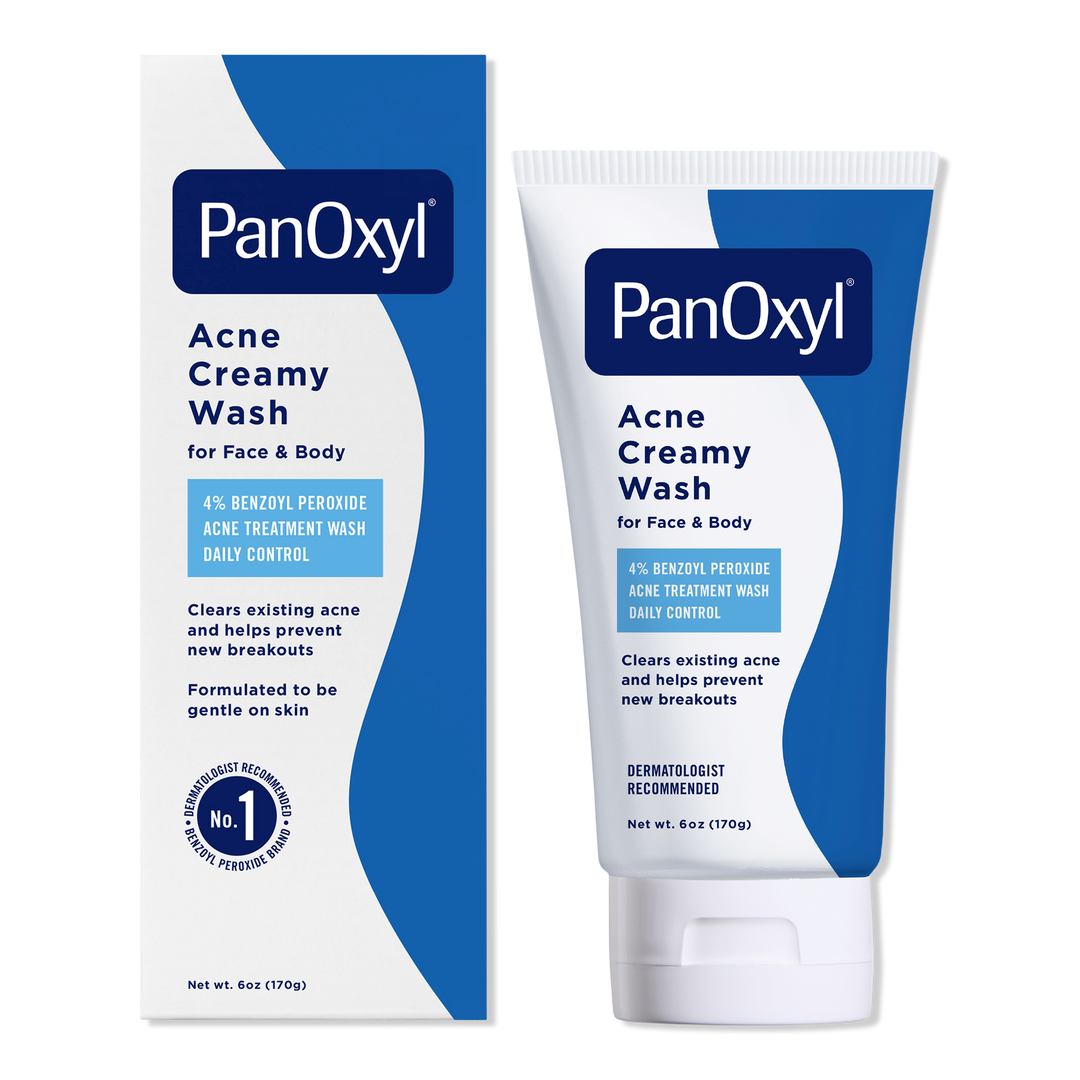
Acne cleanser pick: PanOxyl Acne Creamy Wash with 4% Benzoyl Peroxide
Cleanser | $13.49
Shop PanOxyl Acne Creamy Wash with 4% Benzoyl Peroxide at Ulta Beauty →
Body breakouts, meet your match. This creamy cleanser packs 4% benzoyl peroxide to help kill acne-causing bacteria and clear existing breakouts. It's a shower-time staple for acne-prone areas like your chest, back and shoulders. Cleanse, rinse, repeat.
Key specs: 4% benzoyl peroxide · Acne treatment cleanser · Creamy formula · Face and body · Good for acne-prone skin
Ulta Beauty Advisor tip: Massage onto breakout-prone areas, following the label directions before rinsing thoroughly. Follow with a lightweight moisturizer to keep skin feeling comfy. Heads-up: Benzoyl peroxide can bleach fabric, so grab a white towel!
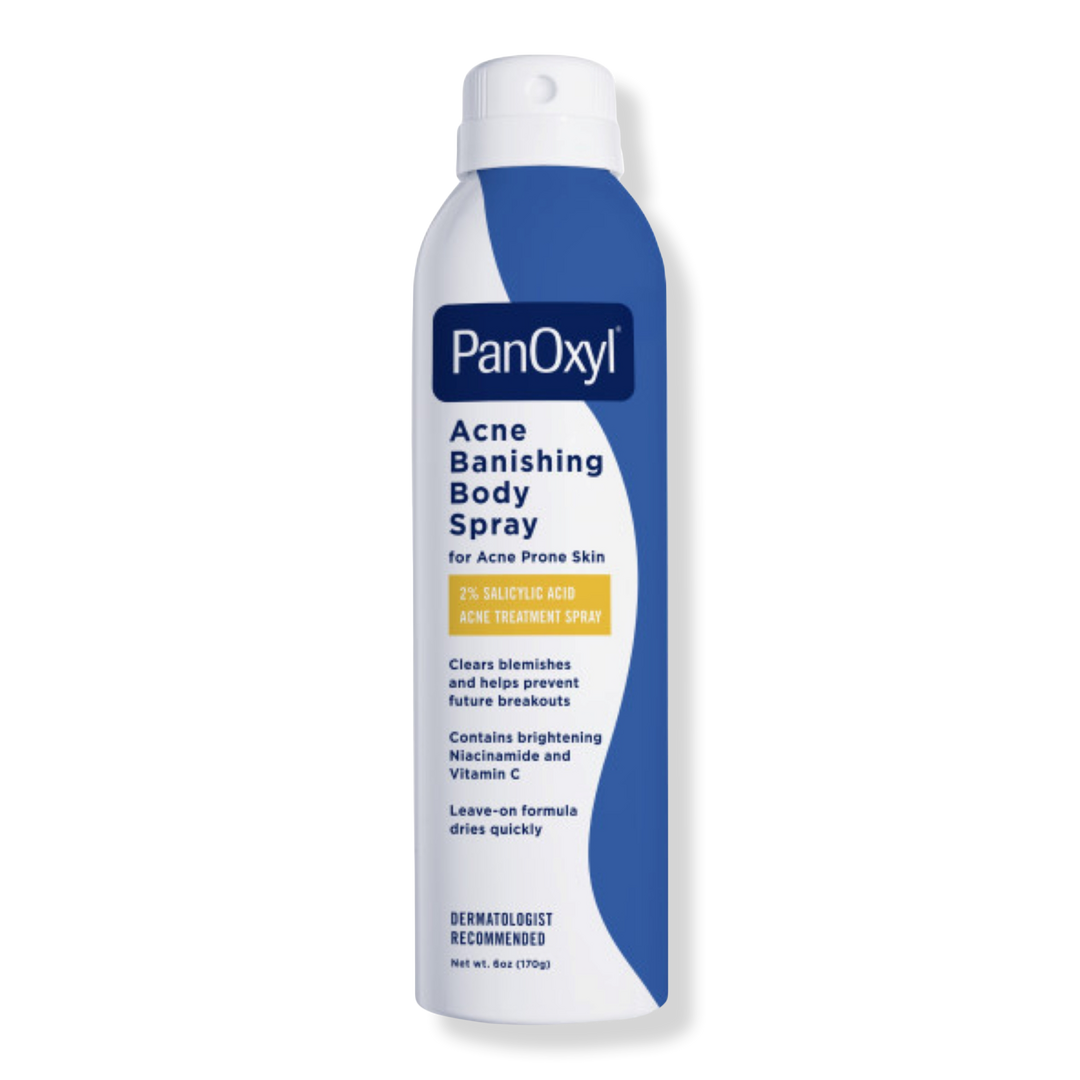
Body spray acne treatment pick: PanOxyl Acne Banishing Body Spray
Body spray | $16.99
Shop PanOxyl Acne Banishing Body Spray at Ulta Beauty →
Back breakouts? We've got your back. This convenient body spray makes it easier to reach those tricky spots, like your upper back and shoulders. A quick addition to your body care routine when you want targeted care without the awkward reach.
Key specs: Body spray · Targeted application · Convenient spray format · Designed for hard-to-reach areas
Ulta Beauty Advisor tip: Apply according to the product directions and introduce new body treatments one at a time. If you're already using an acne cleanser, check the ingredients before layering to avoid overdoing it.
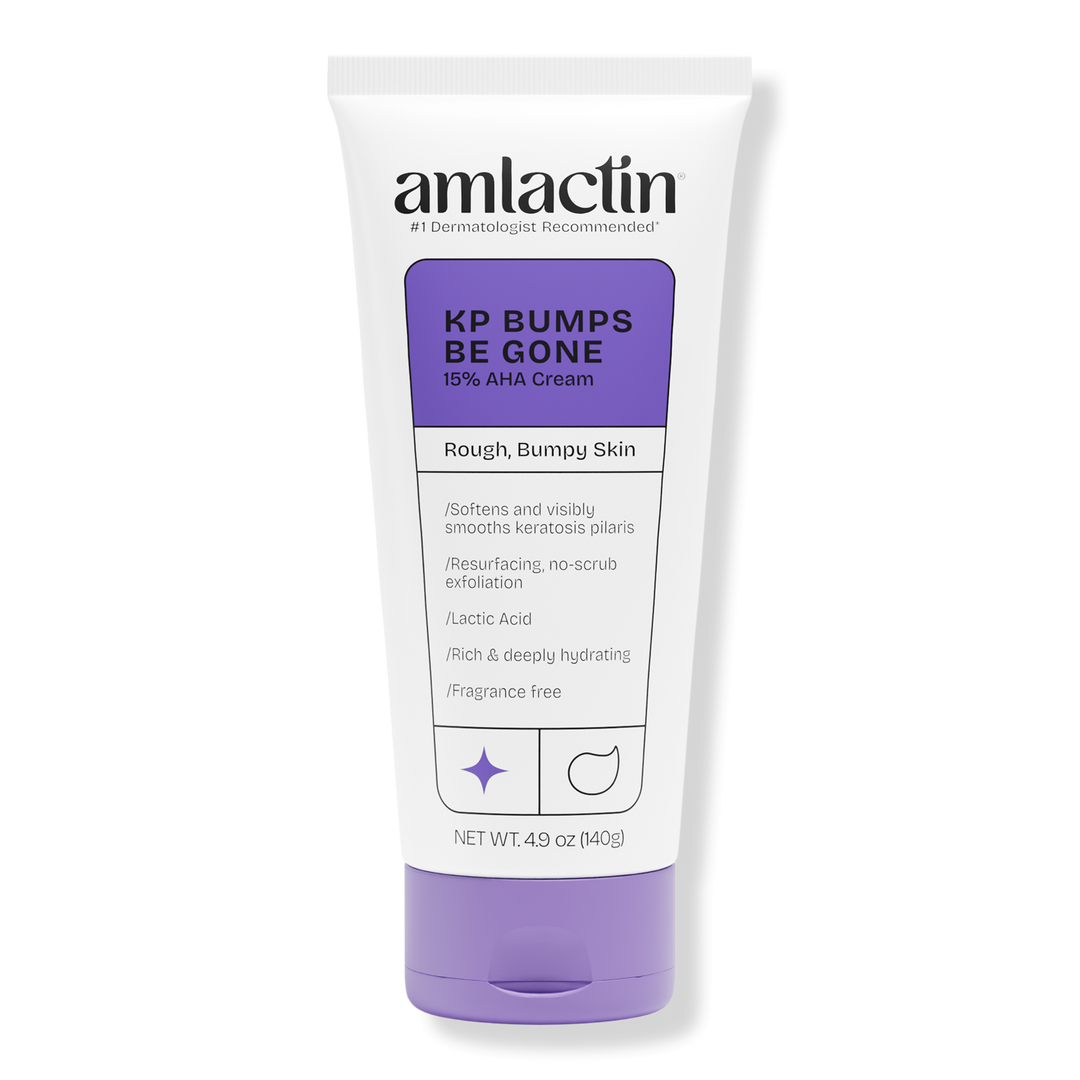
Keratosis pilaris cream pick: AmLactin KP Bumps Be Gone Cream with 15% Lactic Acid AHA
Exfoliating body cream | $19.99
Shop AmLactin KP Bumps Be Gone Cream with 15% Lactic Acid AHA at Ulta Beauty →
Rough bumps? Smooth things over. This KP-focused cream features 15% lactic acid, an alpha hydroxy acid (AHA) that helps exfoliate dead skin cells and improve the feel of rough, bumpy skin. Think softer-feeling arms, smoother-looking thighs and a little extra love for those stubborn patches.
Key specs: 15% lactic acid AHA · Chemical exfoliation · Targets rough, bumpy texture · Formulated for keratosis pilaris
Ulta Beauty Advisor tip: Start slowly and let your skin adjust. Apply as directed, skip harsh scrubs and don't forget broad-spectrum SPF 30 or higher on exposed skin. Exfoliating acids can make skin more sensitive to the sun!
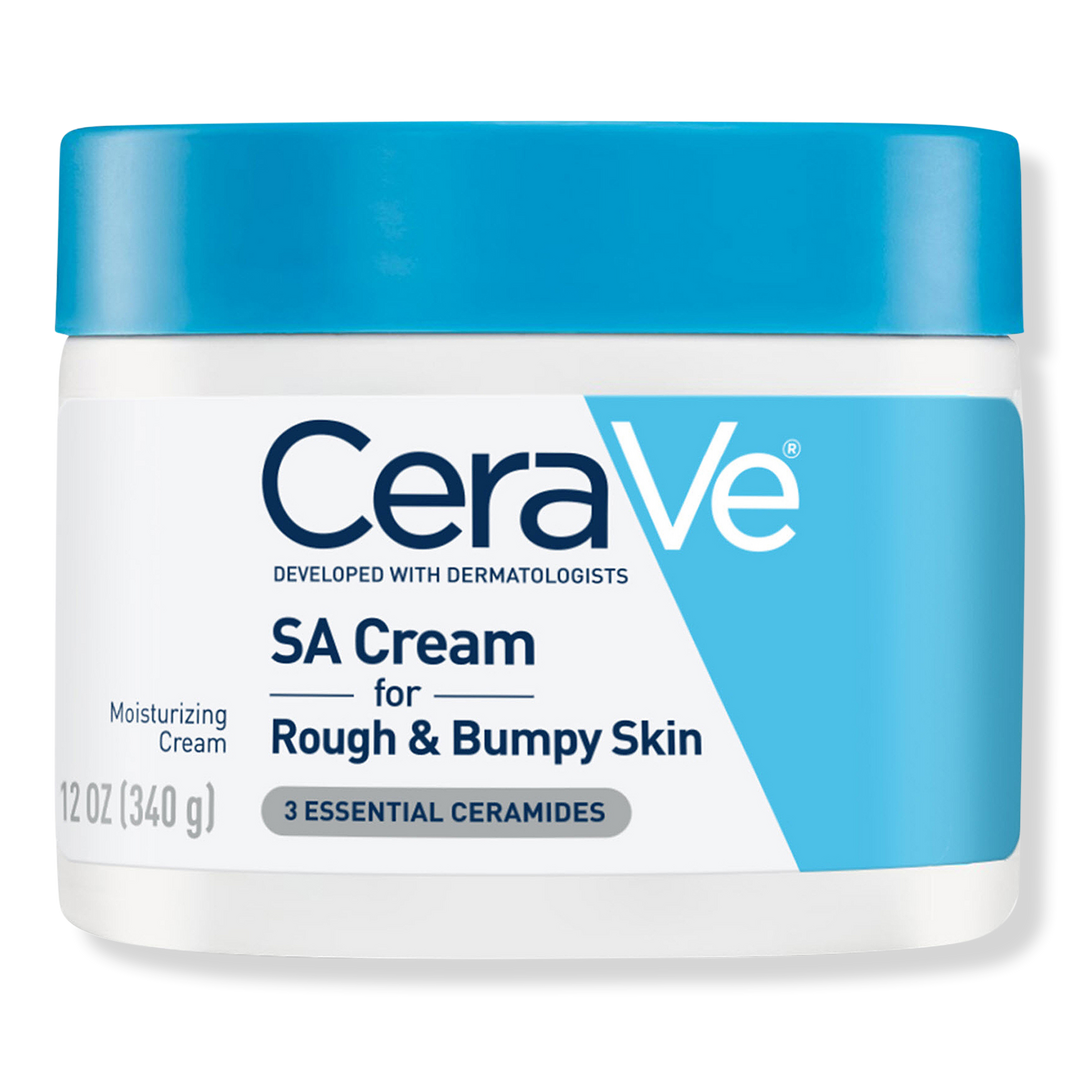
Hydration pick: CeraVe SA Cream for Rough & Bumpy Skin
Moisturizer | $25.99 to $29.99
Shop CeraVe SA Cream for Rough & Bumpy Skin at Ulta Beauty →
Smooth, soften, moisturize. This multitasking cream combines salicylic acid and lactic acid to help improve rough texture, plus ceramides and hyaluronic acid to help support your skin's moisture barrier. A little exfoliation, a lot of moisture and a body care routine that feels like a treat.
Key specs: Salicylic acid · Lactic acid · Ceramides · Hyaluronic acid · Fragrance-free · Good for dry, rough and bumpy skin
Ulta Beauty Advisor tip: Apply as directed to rough, dry areas. Since this cream contains exfoliating acids, avoid pairing it with multiple strong exfoliating treatments in the same routine. Gentle and consistent wins the skin game!
Body care habits that make a difference
Great body care isn't just about what's in your products. Your everyday habits matter, too.
- Shower after sweating. Sweat and friction can contribute to acne flare-ups. Change out of sweaty clothes and cleanse gently after workouts.
- Keep exfoliation gentle. Harsh scrubs and aggressive rubbing can irritate both acne-prone skin and KP. Your skin doesn't need a full-on scrub session.
- Moisturize consistently. Dryness can make KP more noticeable, and acne treatments can sometimes leave skin feeling dry or tight.
- Choose comfortable clothing. Breathable fabrics and less friction can help minimize irritation, especially in areas prone to body acne.
- Skip the picking. Squeezing or scratching bumps can increase irritation and the risk of lingering marks.
- Don't forget SPF. Apply broad-spectrum SPF 30 or higher to exposed skin. Sun protection is especially important when using exfoliating acids or acne treatments.
Consistency is key. KP may take several weeks to show improvement, while acne treatments often need six to eight weeks before noticeable results appear.
If bumps are painful, spreading, leaving scars or not improving with appropriate care, check in with a dermatologist.
The bottom line
Body acne or keratosis pilaris? They may look alike at first glance, but understanding what's behind those bumps can help you choose the right care.
For body acne, think pore-focused ingredients like salicylic acid and benzoyl peroxide. For KP, gentle exfoliation and plenty of moisture can help improve the feel and appearance of rough skin.
And remember, bumpy skin is normal. Whether you want to smooth things out or keep your routine simple, the best body care is the kind that works for you.
Frequently asked questions
What's the main difference between body acne and keratosis pilaris?
Body acne develops when pores become clogged with oil and dead skin cells, often leading to pimples, blackheads or whiteheads. Keratosis pilaris happens when keratin builds up around hair follicles, creating small, rough bumps. Acne can be inflamed or painful, while KP is usually harmless and more noticeable as skin texture.
Can keratosis pilaris look like acne?
Yes! KP can resemble tiny pimples, especially when bumps appear red or inflamed. The difference is that KP usually creates small, uniform, rough-feeling bumps rather than typical acne blemishes like blackheads or pustules.
Can you have body acne and keratosis pilaris at the same time?
Absolutely. Body acne and KP are separate skin conditions, but they can occur at the same time, even in nearby areas. If you're unsure which condition you're experiencing, a dermatologist can help identify the cause.
Does salicylic acid help both body acne and keratosis pilaris?
It can! Salicylic acid helps unclog pores, making it useful for certain types of body acne. It also exfoliates dead skin cells, which may help improve the rough texture associated with KP. The right formula and frequency depend on your skin's needs.
Is keratosis pilaris itchy?
Sometimes. KP is typically painless, but the surrounding skin may feel dry or itchy. Regular moisturizing can help relieve dryness and discomfort.
Does keratosis pilaris go away on its own?
It can. KP often improves with age and may eventually fade without treatment. However, it can persist for years or come and go. Moisturizing and gentle exfoliation may help manage its appearance, but there isn't a permanent cure.
Should you exfoliate body acne?
Gentle chemical exfoliation with an ingredient like salicylic acid may help certain types of body acne. Skip harsh physical scrubs, which can irritate inflamed blemishes and potentially make breakouts worse.
How long does it take to see results?
It depends on your skin and the condition you're managing. Body acne treatments may begin showing improvement after six to eight weeks, while KP care may improve texture within four to six weeks. Consistency matters, and some people need professional treatment for the best results.
Is keratosis pilaris the same as strawberry skin?
Not exactly. "Strawberry skin" is an informal term for visible dark dots or bumps around hair follicles, often on the legs. KP can create a similar appearance, but clogged follicles, shaving-related irritation and other skin concerns can also cause strawberry-like dots.
Related Content: Dermatologist Recommended Products, Skin Care Prep for Makeup, Clean Ingredient Makeup, 5-Minute Makeup, Best Clean Ingredient Fragrance, Best Products for Eczema
Explore more Skincare Buying Guides and Beauty Education Articles