Sulfate-free shampoo benefits and ingredients
By Ulta Beauty Advisors · Published August 2026
All products featured are available at Ulta Beauty. Ulta Beauty Advisors select products independently. Prices and availability are subject to change.
Sulfate-free shampoo cleanses without sulfate-based surfactants, the ingredients that help shampoo loosen oil, sweat and styling residue. At Ulta Beauty, we think understanding sulfate-free shampoo benefits and ingredients makes it much easier to choose a formula that fits your hair, scalp and wash routine.
Is sulfate-free shampoo worth using? It can be, especially if your current shampoo leaves your hair feeling dry, tangled or stripped. Look for mild cleansing ingredients and conditioning support, but pay attention to the full formula because sulfate-free does not automatically mean gentle, moisturizing or right for every scalp.
Ahead, you will learn what sulfate-free really means, how to read a shampoo ingredient list and when this type of cleanser may be a smart match for you.
What is sulfate-free shampoo?
Sulfate-free shampoo is made without sulfate-based cleansing agents such as sodium lauryl sulfate or sodium laureth sulfate. Sulfates are surfactants, which means they help water mix with oil and residue so those substances can rinse away.
Many sulfate cleansers produce a generous foam and can remove a lot of oil in one wash. That can be useful for some routines, but other hair and scalp types benefit from a milder cleanse that leaves more of their natural oils in place.
What counts as a sulfate?
Some common cleansing sulfates you may see on shampoo labels include:
Sodium lauryl sulfate, often listed as SLS
Sodium laureth sulfate, often listed as SLES
Ammonium lauryl sulfate
Ammonium laureth sulfate
Ingredient names can vary by formula, so the front label is only a starting point. If avoiding cleansing sulfates is important to you, check the full ingredient list and follow any aftercare instructions provided by your stylist or scalp care professional.
Sulfate-free does not mean surfactant-free
All conventional shampoos need some type of cleansing system. A sulfate-free formula simply uses other surfactants to loosen oil and residue.
It is also worth knowing that ingredients with similar-looking names may behave differently. Sodium C14-16 olefin sulfonate, for example, is a sulfonate rather than a sulfate, but it can still provide a thorough cleanse. Magnesium sulfate is a mineral salt and is not typically the primary cleansing surfactant in shampoo.
That is the part that actually matters: how the whole cleansing system performs on your hair, not whether one familiar ingredient appears on the label.
Ulta Beauty's take on sulfate-free shampoo benefits and ingredients
The main benefit of sulfate-free shampoo is choice. It gives you another way to match cleansing strength with your hair texture, oil level, styling habits and scalp comfort.
Depending on the formula, potential sulfate-free shampoo benefits may include:
A less stripped feeling after washing
Better comfort for hair that feels dry or rough after shampooing
Less tangling during the wash process
A cleansing option for curls, coils or waves that benefit from retaining more natural oil
A milder wash for color-treated or chemically treated hair that reduces the risk of surfactant-driven pigment loss
More flexibility for frequent washers who do not need a deep cleanse every time
These benefits are not automatic. A sulfate-free shampoo can still feel too cleansing, while a well-balanced shampoo containing sulfates may work well for you. Concentration, supporting ingredients, wash frequency and the amount of product you use all shape the result.
Is sulfate-free shampoo worth using for your hair?
Sulfate-free shampoo is worth trying if your current cleanser consistently leaves your lengths rough, your curls harder to detangle or your scalp uncomfortable. If your hair stays oily, coated or flat after washing, you may need a more thorough cleanser, a different sulfate-free formula or an occasional clarifying wash.
Dry, curly, coily or textured hair
Curly, coily and textured hair often benefits from a milder cleansing system. Natural oils travel a longer path from the scalp through a coiled or textured strand, which means this hair type tends to be more prone to dryness along the lengths. A mild sulfate-free cleanser may help remove buildup without leaving the lengths feeling overly dry.
Look for a formula that pairs gentle cleansers with slip-giving or conditioning ingredients. Focus shampoo mainly on your scalp, then let the lather move through your lengths as you rinse.
Color-treated or chemically treated hair
Strong surfactants such as sodium lauryl sulfate can accelerate color fade by lifting the hair cuticle and allowing pigment to escape during the wash process. A sulfate-free formula uses milder surfactants that cleanse with less cuticle disruption, which is why many colorists recommend switching after a color service.
Still, sulfate-free and color-safe are not interchangeable claims, so check the product directions and your colorist's aftercare guidance. Water temperature, wash frequency, heat styling and sun exposure also affect how hair color looks over time. Shampoo is only one part of the routine.
Fine or oily hair
Fine or oily hair can use sulfate-free shampoo, but formula weight matters. Look for lightweight cleansers and avoid applying rich conditioning shampoo directly through the roots unless your scalp needs that level of moisture.
If you use dry shampoo, texture spray, hair oil or silicone-rich stylers, watch for signs of residue. Hair that feels coated soon after washing may need a stronger cleansing day from time to time.
Sensitive-feeling scalps
People with reactive or easily irritated scalps often find that a milder cleansing system is more comfortable than a formula built around stronger surfactants. However, sulfate-free does not mean free from fragrance, botanical extracts or other ingredients that may not agree with your scalp.
If you have ongoing itching, burning, flaking, sores or sudden hair shedding, talk with a dermatologist or another qualified health professional. Changing shampoo may not address an underlying scalp concern.
Heavy product users and frequent swimmers
If gels, waxes, oils or pool residue are regular parts of your week, a mild everyday shampoo may not remove everything in one pass. You can still use sulfate-free shampoo, but you may prefer a clarifying formula when your hair feels coated or does not respond to styling as usual.
Clarifying frequency depends on your hair and routine. Start occasionally rather than assuming you need a deep cleanse at every wash.
Which sulfate-free shampoo ingredients should you look for?
There is no single best sulfate-free cleansing ingredient. Most shampoos blend several surfactants so the formula can balance cleansing, foam, texture and rinse feel.
Mild cleansing ingredients
Common sulfate-free surfactant families include:
Glucosides, such as decyl glucoside, coco glucoside and lauryl glucoside
Isethionates, such as sodium cocoyl isethionate
Sarcosinates, such as sodium lauroyl sarcosinate
Betaines, such as cocamidopropyl betaine
Glutamates, such as sodium cocoyl glutamate
Taurates, such as sodium methyl cocoyl taurate
You do not need to memorize every name. Think of these ingredients as clues about the cleansing system, then use the product description and directions to understand whether the formula is made for moisture, volume, clarifying or another goal.
Conditioning and moisture-supporting ingredients
The ingredients around the cleansers can change how shampoo feels during and after rinsing. Depending on your hair, you may want to look for:
Glycerin or other humectants that help support a moisturized feel
Fatty alcohols, such as cetyl alcohol or cetearyl alcohol, which can add softness and slip
Conditioning agents that help reduce the rough feeling that can happen during washing
Plant oils or butters in formulas made for dry, curly or coily hair
Proteins or amino acid ingredients in formulas intended to support the feel of stressed hair
More conditioning is not always better. Fine hair or roots that get oily quickly may prefer a lighter formula with fewer rich oils and butters.
Ingredients that deserve a closer look
A sulfate-free claim tells you what is missing, not everything that is present. If your scalp or hair has specific needs, also check for:
Fragrance, if you prefer fragrance-free hair care
Stronger non-sulfate cleansers, including olefin sulfonate
Rich oils and butters that may feel heavy on fine hair
Exfoliating or medicated active ingredients intended for a particular scalp concern
Silicones or film-forming ingredients, based on your styling preferences and buildup patterns
No single ingredient tells the whole story. Its position on the list, the amount used and how it interacts with the rest of the formula can affect your experience.
How to read the label in four passes
Start with the product purpose. Check whether the shampoo is positioned for moisture, volume, curls, color care, clarifying or scalp care.
Scan the cleansing ingredients. Look for sulfate names if you want to avoid them, then note which sulfate-free surfactants appear.
Check the supporting ingredients. Look for lightweight conditioning agents or richer oils based on what your hair usually likes.
Read the directions and claims. Sulfate-free, color-safe, fragrance-free and silicone-free describe different things, so do not treat them as interchangeable.
How to choose a sulfate-free shampoo
Start with the problem you want your shampoo to solve. Choosing by the sulfate-free label alone can leave you with a formula that is too rich, too light or not cleansing enough for your routine.
Match the formula to your main goal
For dry-feeling hair: Look for moisturizing formulas with conditioning ingredients and good slip.
For curls and coils: Consider cleansers made to support curl definition and detangling without leaving heavy residue.
For fine hair: Choose lightweight or volumizing formulas that rinse clean and do not overload the roots.
For oily roots: Look for balancing or deeper-cleansing sulfate-free options rather than very rich moisture shampoos.
For color-treated hair: Check for color-care language in addition to the sulfate-free claim.
For buildup: Use a clarifying shampoo when needed, then follow with conditioner on the mid-lengths and ends.
For a sensitive-feeling scalp: Keep the ingredient list and fragrance level in mind, and stop using a product if discomfort develops.
Think about your whole routine
Shampoo does not work in isolation. Conditioner, masks, leave-ins, oils and stylers all affect how clean or coated your hair feels.
If you use several rich products, you may need more cleansing power than someone with a simple routine. If you wash daily and use little styling product, a mild formula may be enough most of the time.
How to use sulfate-free shampoo
Sulfate-free shampoo may foam differently from the cleanser you used before. Less foam does not automatically mean less cleaning, and adding a large amount of product can make rinsing harder.
Saturate your hair with lukewarm water. Give the water time to reach the scalp, especially if your hair is thick or dense.
Apply a small amount of shampoo to your scalp. Add more only if you need it.
Massage with your fingertips. Focus on the hairline, crown, behind the ears and nape, where oil and styling residue can collect.
Add a splash of water before adding more shampoo. This can help spread the formula and build lather.
Rinse thoroughly. Let the shampoo move through the lengths rather than scrubbing fragile ends.
Repeat only when needed. A second cleanse may help after heavy styling, a sweaty workout or a longer stretch between washes.
Follow with conditioner. Apply it where your hair needs softness, which is often from the mid-lengths to the ends.
Best sulfate-free shampoos at Ulta Beauty
Our picks cover the most common hair concerns discussed in this guide. All products are available at Ulta Beauty. Ulta Beauty Advisors select and test products featured in this guide.
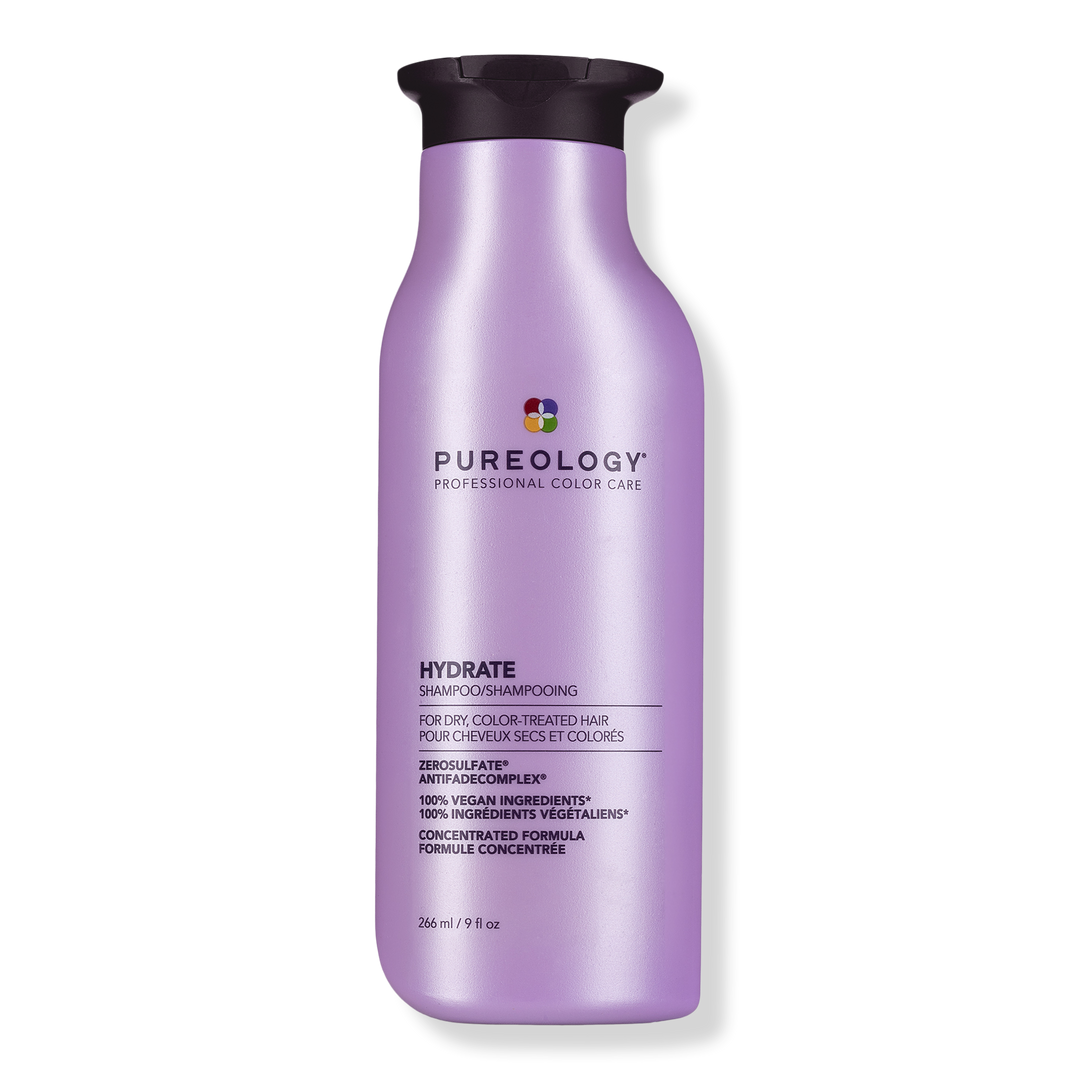
Pureology Hydrate Shampoo
Moisturizing Sulfate-Free Shampoo | $39.00
Shop Pureology Hydrate Shampoo at Ulta →
Pureology Hydrate is a consistent recommendation for color-treated hair that feels dry, porous or rough after washing. The ZeroSulfate formula uses mild isethionate-based cleansers that remove buildup without stripping the cuticle, and it is vegan throughout. The scent is botanical and noticeable, so keep that in mind if you prefer fragrance-free options.
It lathers less than a traditional shampoo, which surprises some people the first time. Use a small amount, add water to spread it, and give the formula time to work before rinsing.
Key specs: Sulfate-Free · Vegan · Color-Fade Guarantee · Moisturizing · Fragrance Present
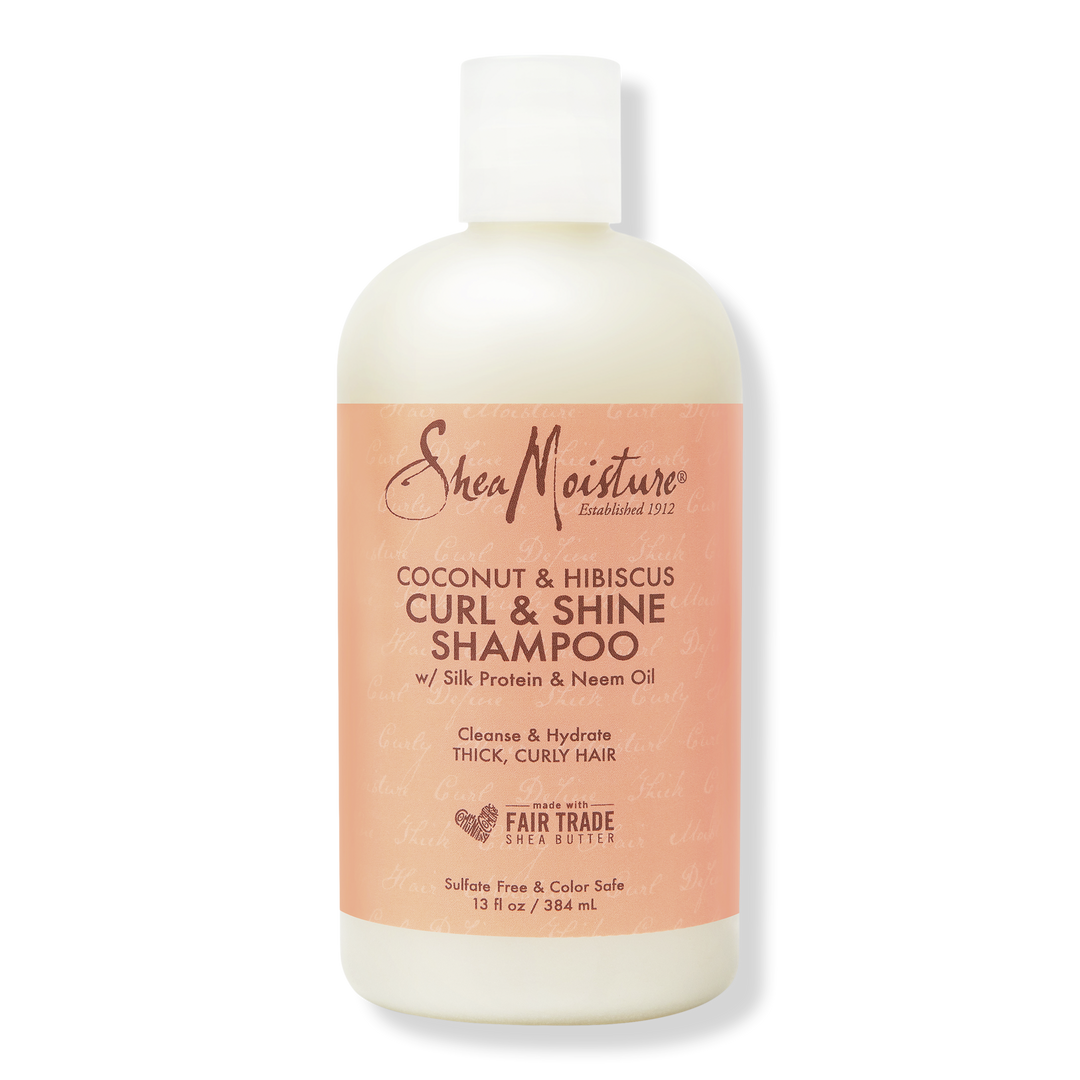
SheaMoisture Coconut & Hibiscus Curl & Shine Shampoo
Sulfate-Free Shampoo | $12.49
Shop SheaMoisture Coconut & Hibiscus Curl & Shine Shampoo at Ulta →
This shampoo is formulated for curly, coily and textured hair that tends to feel dry between washes. It features coconut oil, neem oil and silk proteins, ingredients chosen to support softness and help reduce tangles during the wash process. The cleansing system is sulfate-free and mild enough for frequent use.
Focus application on your scalp and let the lather travel through your lengths as you rinse. If your curls feel weighed down after the first few uses, try applying the shampoo only from ear to scalp, saving conditioner for the mid-lengths and ends.
Key specs: Sulfate-Free · Coconut Oil · Neem Oil · Silk Proteins · Gently Cleanses
Ulta Beauty Advisor Tip: "Start with less than you think you need. Curly and coily hair holds water, so the formula spreads further than it looks."
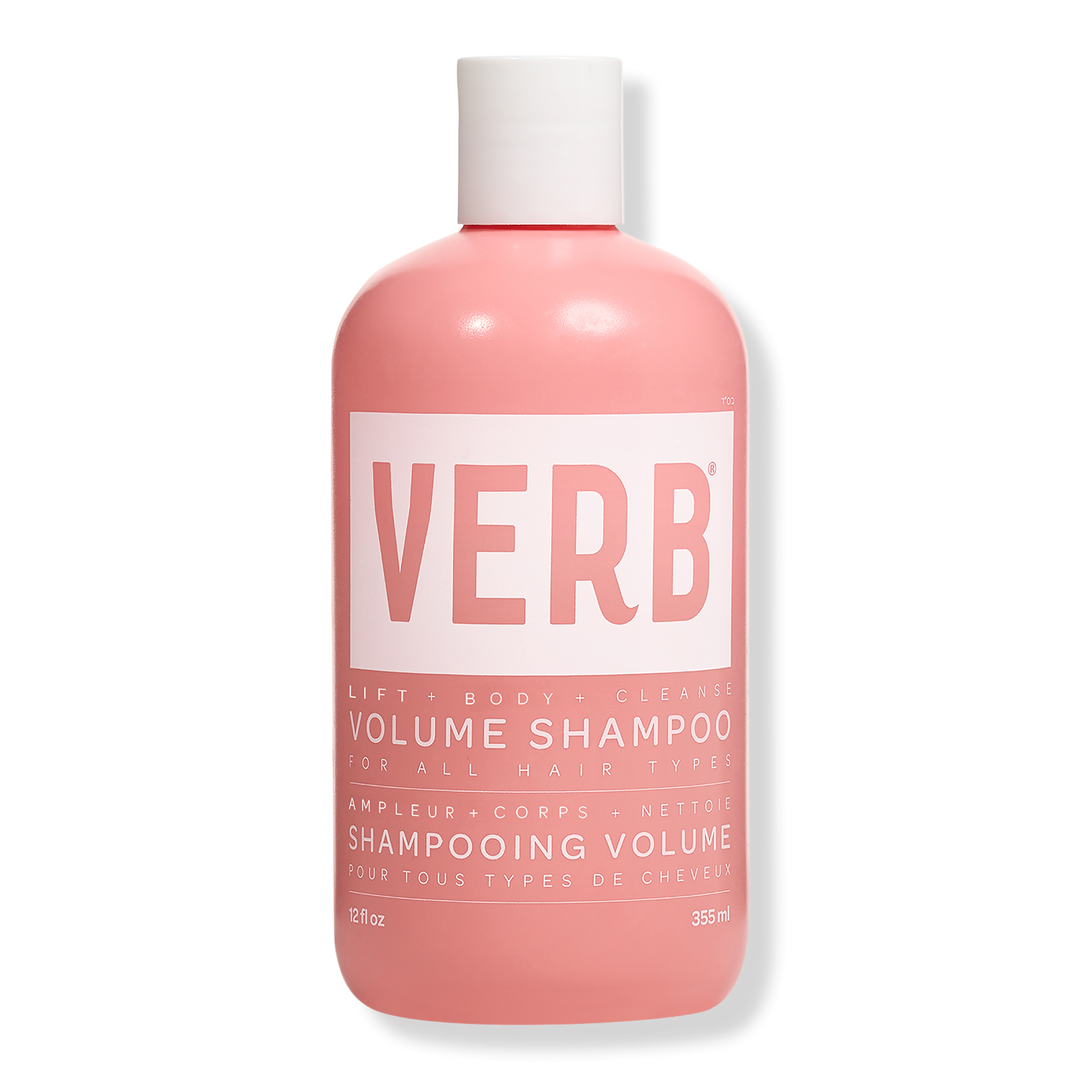
Verb Volume Shampoo
Lightweight Volumizing Sulfate-Free Shampoo | $22.00
Shop Verb Volume Shampoo at Ulta →
Volume shampoos often fall short in one direction or the other: they clean well but leave hair feeling straw-like, or they condition well but add no lift. Verb Volume addresses both. The formula is sulfate-free and relies on a lightweight cleansing system that removes oil and residue without flattening fine strands or weighing down roots. Quinoa protein adds a small amount of strand support without heaviness.
This is a consistent performer for daily or near-daily washers who use a small amount of styling product. If you use heavier stylers or dry shampoo regularly, you may still need an occasional clarifying wash.
Key specs: Sulfate-Free · Quinoa Protein · Lightweight · Volumizing · Color-Safe
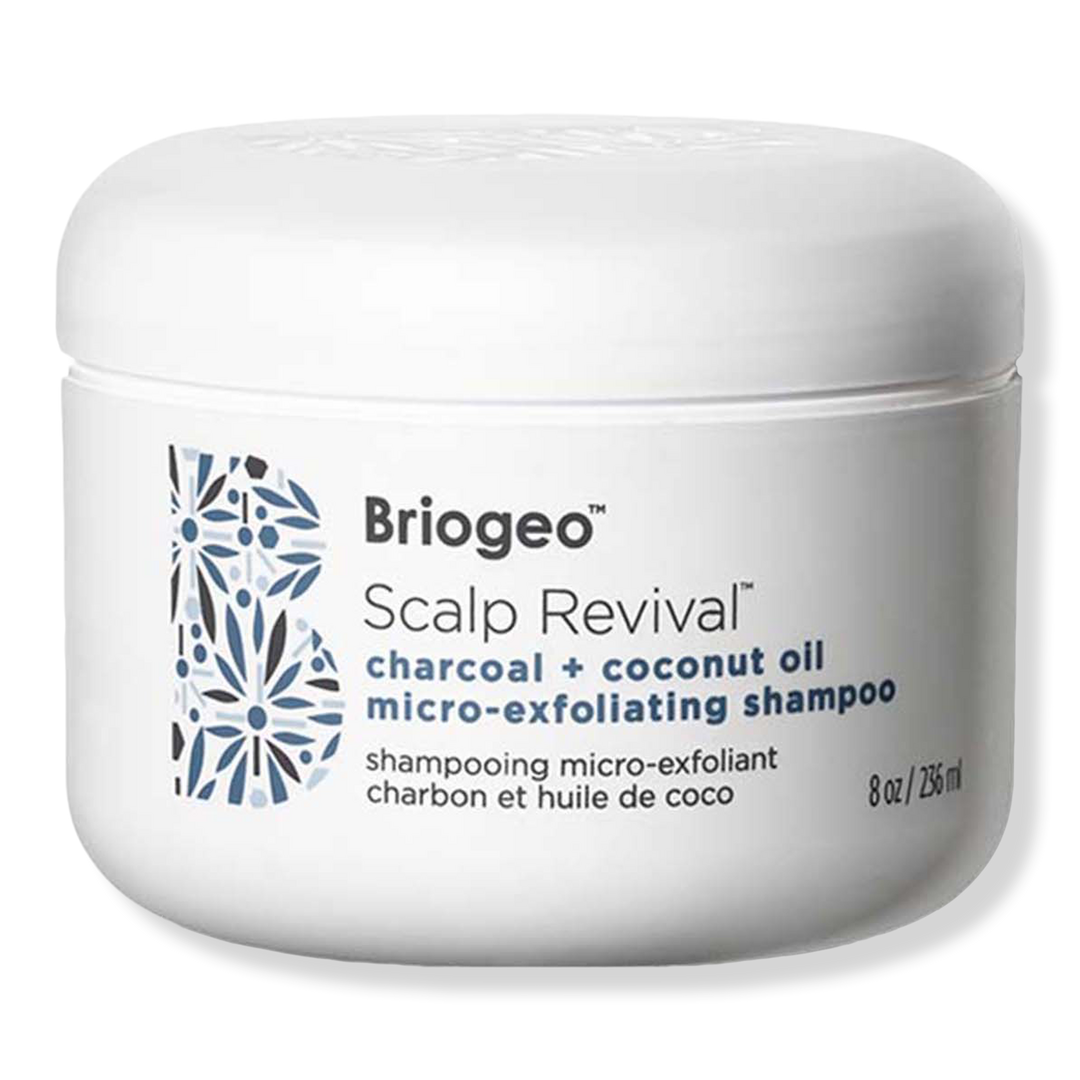
Briogeo Scalp Revival Charcoal + Coconut Oil Micro-Exfoliating Shampoo
Scalp Exfoliating Sulfate-Free Shampoo | $42.00
Shop Briogeo Scalp Revival at Ulta →
Scalp Revival is designed for scalps that feel itchy, congested or coated, especially when residue from dry shampoo, oils or silicone-rich stylers has accumulated over time. The formula includes binchotan charcoal and coconut oil and uses a physical micro-exfoliating system, so you will feel a gentle grittiness when you work it in. The coconut oil is there to keep the formula from feeling overly stripping after exfoliation.
Use it one to two times per week rather than at every wash. Focus the formula entirely on your scalp and follow with a conditioner applied from the mid-lengths to the ends.
Key specs: Sulfate-Free · Binchotan Charcoal · Coconut Oil · Micro-Exfoliating · Targeted Scalp Use
Ulta Beauty Advisor Tip: "Apply it to a dry scalp before getting in the shower if you have significant buildup. It gives the charcoal extra contact time before you add water."
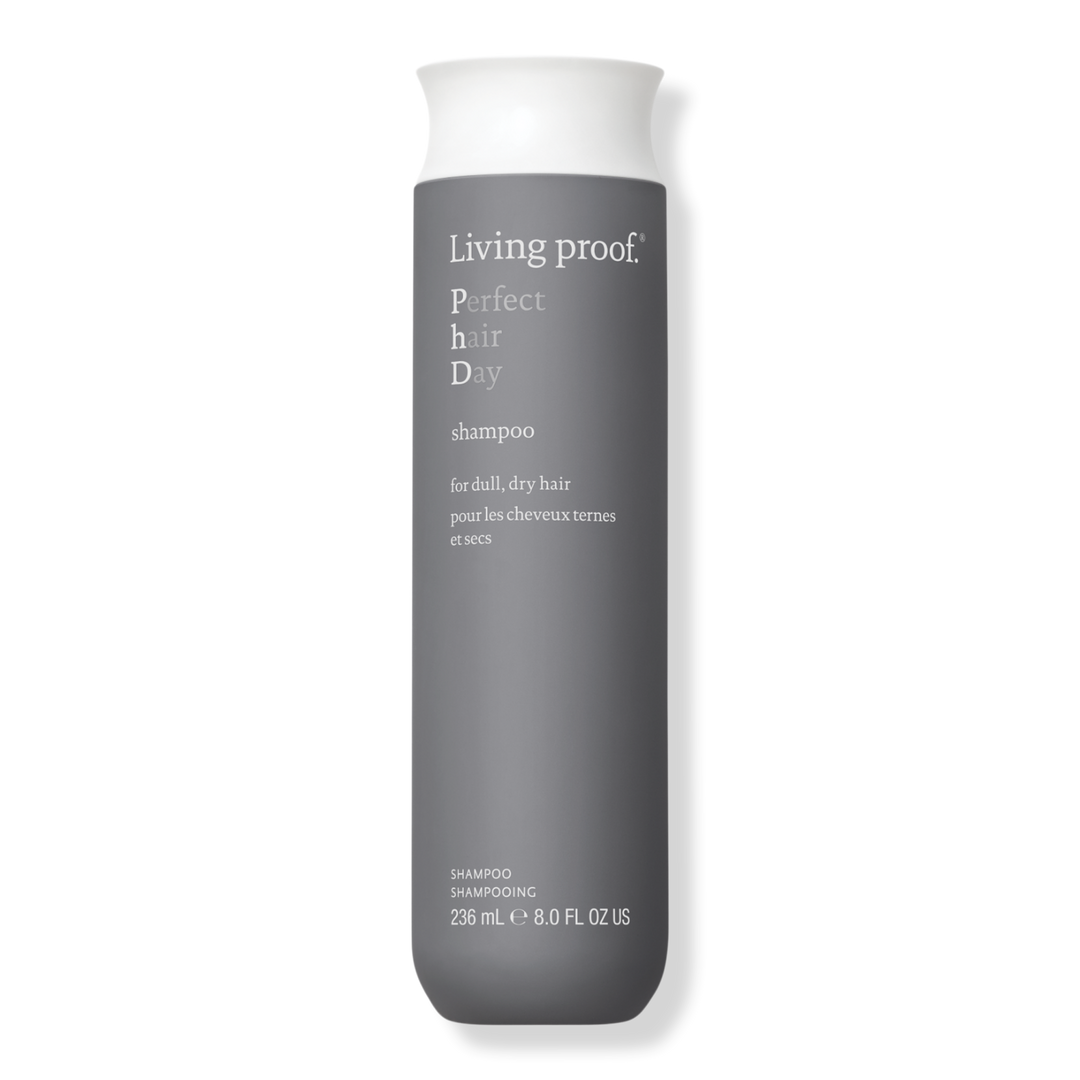
Living Proof Perfect Hair Day Shampoo
Daily Sulfate-Free Shampoo | $33.00
Shop Living Proof Perfect Hair Day Shampoo at Ulta →
The Perfect Hair Day Shampoo is designed for daily or near-daily washing across a range of hair types, from fine and straight to wavy. Living Proof includes their proprietary OFPMA technology in the formula, which the brand says helps hair stay cleaner longer between washes. The formula is sulfate-free and lighter in texture than most moisture-focused sulfate-free shampoos.
If you find your hair holds product well and does not need a heavy-duty cleanser, this is a reliable option for frequent washing. It tends to work well for fine or normal hair that benefits from a thorough but lightweight clean.
Key specs: Sulfate-Free · OFPMA Technology (brand claim) · Lightweight · Daily Use · Fine to Normal Hair
When you are ready to compare more formulas, browse Ulta Beauty's full shampoo selection. Filter by your hair goal, then read the ingredient list and directions rather than relying only on the sulfate-free label. The best match is the one that cleans your scalp well and leaves your lengths comfortable within your real routine.
Frequently asked questions
Is sulfate-free shampoo the same as sodium chloride-free shampoo?
No. Sodium chloride is salt, which may be used to adjust a shampoo's texture, while cleansing sulfates are surfactants. A formula can be sulfate-free and still contain sodium chloride.
Does sulfate-free always mean color-safe?
No. Sulfate-free and color-safe are separate product claims. If you color your hair, check for color-care directions and follow the aftercare advice given by your stylist.
Can sulfate-free shampoo remove dry shampoo?
It may, depending on the cleansing system and how much dry shampoo or styling residue is present. If your roots still feel coated after one wash, try a second cleanse or use a clarifying formula when needed.
Is sulfate-free shampoo better after a keratin service?
Aftercare needs can vary by service and formula. Follow the instructions from your stylist and the treatment maker, including any guidance about sulfates, sodium chloride or wash timing.
Does sulfate-free shampoo help with dandruff?
The sulfate-free label does not tell you whether a shampoo is made to manage dandruff. Look for a product specifically labeled for the concern, and consult a health professional if flaking or irritation persists.
Information provided is for educational purposes only and is not intended as medical advice or a guarantee of results. Consult a hair or healthcare professional for personalized hair care guidance.
Related Content: What is Scalp Serum, Curly Hair Care Routine, Best Color Deposting Conditioners, Root Lifting Texture Spray vs Mousse, What is Co-Wash?, What is Hair Porosity?, How to Stop Greasy Hair, Hair Toner for Bleached Hair, What is an Ionic Hair Dryer, Best Sea Salt Sprays, Protein vs Deep Conditioner Treatment For Hair
Explore more Hair Care Buying Guides and Beauty Education Articles