Dry scalp vs. dandruff: how to tell the difference and treat flakes
By Ulta Beauty Advisors · Published October 2026
All products featured are available at Ulta Beauty. Ulta Beauty Advisors select products independently. Prices and availability are subject to change. Information provided is for educational purposes only and is not intended as medical advice or a guarantee of results.
Flakes on your shoulders? An itchy scalp that just won't quit? Before you reach for the nearest shampoo, it helps to know what's behind those flakes and how to make your scalp feel healthy.
Dry scalp and dandruff can look surprisingly similar, but they're not the same thing. One is often tied to a lack of moisture or irritation, while the other is commonly linked to excess oil, a naturally occurring yeast and inflammation.
The good news? Once you understand what's going on up top, finding the right scalp care routine gets a whole lot easier.
Dry scalp vs. dandruff: what's the difference?
Both dry scalp and dandruff can cause itching and visible flakes. The biggest difference is what's happening underneath.
Dry scalp happens when the skin on your scalp lacks moisture or becomes irritated. You might notice small, dry flakes, tightness and itchiness, especially during colder months or after using harsh hair products.
Dandruff is a common scalp condition that causes flaking and itching. It's often associated with seborrheic dermatitis, an inflammatory skin condition influenced by scalp oil and the yeast Malassezia, which naturally lives on the skin.
Here's how to spot the differences.
Signs of dry scalp
- Small, fine flakes that are typically white
- A tight, dry or uncomfortable scalp
- Itching that may get worse after washing
- Dry skin on other parts of your body
- Symptoms that flare up during cold weather or in dry environments
- Irritation after using certain shampoos or styling products
Signs of dandruff
- White or yellowish flakes that may look oily
- An itchy scalp that can also feel irritated
- Greasy or scaly patches around the scalp
- Redness or inflammation, which may be less visible on deeper skin tones
- Flaking around the hairline, eyebrows or behind the ears
- Symptoms that come and go, sometimes worsening with stress or seasonal changes
Quick tip: Flake size and color can offer clues, but they aren't a diagnosis. If your scalp is persistently itchy, inflamed or flaky, a dermatologist can help identify the cause.
What causes dry scalp?
Dry scalp often starts with a disrupted moisture barrier. When your scalp loses moisture or reacts to an irritating product, it can feel tight, itchy and uncomfortable.
Common triggers include:
- Cold weather and low humidity: Dry air can pull moisture from your skin, including your scalp.
- Hot showers: Very hot water can strip away natural oils and leave your scalp feeling parched.
- Harsh shampoos: Strong cleansing formulas or frequent washing may contribute to dryness for some people.
- Fragrances and styling products: Certain ingredients can irritate sensitive scalps.
- Skin conditions: Eczema, contact dermatitis and other conditions can sometimes look like ordinary dryness.
If your scalp feels especially tight after shampooing, it may be time to rethink your cleansing routine.
What causes dandruff?
Dandruff isn't simply a sign of dry skin, and it doesn't mean your hair or scalp is dirty.
Several factors can contribute to dandruff, including:
- Malassezia yeast: This naturally occurring yeast can contribute to irritation and flaking in susceptible people.
- Scalp oil: Dandruff often develops in oil-rich areas of the skin.
- Skin inflammation: An inflammatory response can lead to itching and visible flakes.
- Product sensitivity: Some hair products may trigger irritation or worsen existing symptoms.
- Individual susceptibility: Your skin's response to oil, yeast and environmental changes can influence flare-ups.
Unlike a dry scalp, dandruff often responds best to shampoos with targeted anti-dandruff ingredients rather than moisturizing products alone.
How to treat dry scalp
Think gentle cleansing, soothing hydration and scalp-friendly habits.
1. Switch to a gentle shampoo
Choose a shampoo that cleanses without leaving your scalp feeling stripped. If your skin is sensitive, a fragrance-free option may be especially helpful.
2. Turn down the water temperature
Hot water can make dryness worse. Stick with lukewarm water when washing your hair.
3. Add a hydrating scalp treatment
Look for lightweight scalp serums or treatments designed to moisturize and soothe dry-feeling skin. Ingredients like hyaluronic acid, glycerin and panthenol can help support hydration.
4. Rethink your wash routine
If frequent washing leaves your scalp tight and uncomfortable, try adjusting your routine based on your hair type, scalp needs and product buildup.
5. Go easy on exfoliation
Scrubs and exfoliating acids aren't always the answer. If your scalp is already dry or irritated, aggressive exfoliation may make things worse.
How to treat dandruff
For dandruff, targeted scalp care is key. Anti-dandruff shampoos use active ingredients that help control flaking, itching and other symptoms.
1. Look for an anti-dandruff active ingredient
Common options include:
- Pyrithione zinc: Helps control dandruff-associated flaking and itching where available in approved products.
- Selenium sulfide: Helps manage dandruff symptoms and can reduce yeast activity.
- Ketoconazole: An antifungal ingredient that targets yeast associated with dandruff.
- Salicylic acid: Helps loosen and remove built-up scales and flakes.
- Coal tar: Can help slow excess skin-cell turnover in certain dandruff and scalp conditions.
2. Follow the shampoo directions
Some medicated shampoos need to stay on your scalp for several minutes before rinsing. Follow the product label for application time and frequency.
3. Focus on your scalp
Massage the shampoo gently into your scalp rather than concentrating on the lengths of your hair. Follow with conditioner as needed, especially if your hair is dry or color-treated.
4. Keep your routine consistent
Dandruff can be recurring. Some people need ongoing maintenance with an anti-dandruff shampoo to help keep flakes under control.
5. Know when to see a dermatologist
If over-the-counter treatments aren't helping after several weeks, or you notice pain, bleeding, thick plaques, significant redness or patchy hair loss, get a professional evaluation. Psoriasis, eczema, fungal infections and other conditions can resemble dandruff.
Best ingredients for dry scalp vs. dandruff
Not every flaky scalp needs the same ingredients. Here's what to look for.
For dry scalp
- Hyaluronic acid: Helps attract and retain moisture.
- Glycerin: A humectant that helps hydrate the skin.
- Panthenol: Helps support moisture and conditioning.
- Aloe vera: Can provide a soothing feel in suitable formulas.
- Squalane: An emollient that helps soften dry-feeling skin.
For dandruff
- Ketoconazole: Helps target yeast associated with dandruff.
- Selenium sulfide: Helps control dandruff and seborrheic dermatitis symptoms.
- Pyrithione zinc: An anti-dandruff active in markets where permitted.
- Salicylic acid: Helps lift and loosen flakes.
- Coal tar: Helps reduce scaling in certain scalp conditions.
Ingredient tip: Tea tree oil is popular in scalp care, but evidence for treating dandruff is limited, and it can irritate sensitive skin. A shampoo with a proven anti-dandruff active is a more reliable starting point for persistent dandruff.
Our product picks
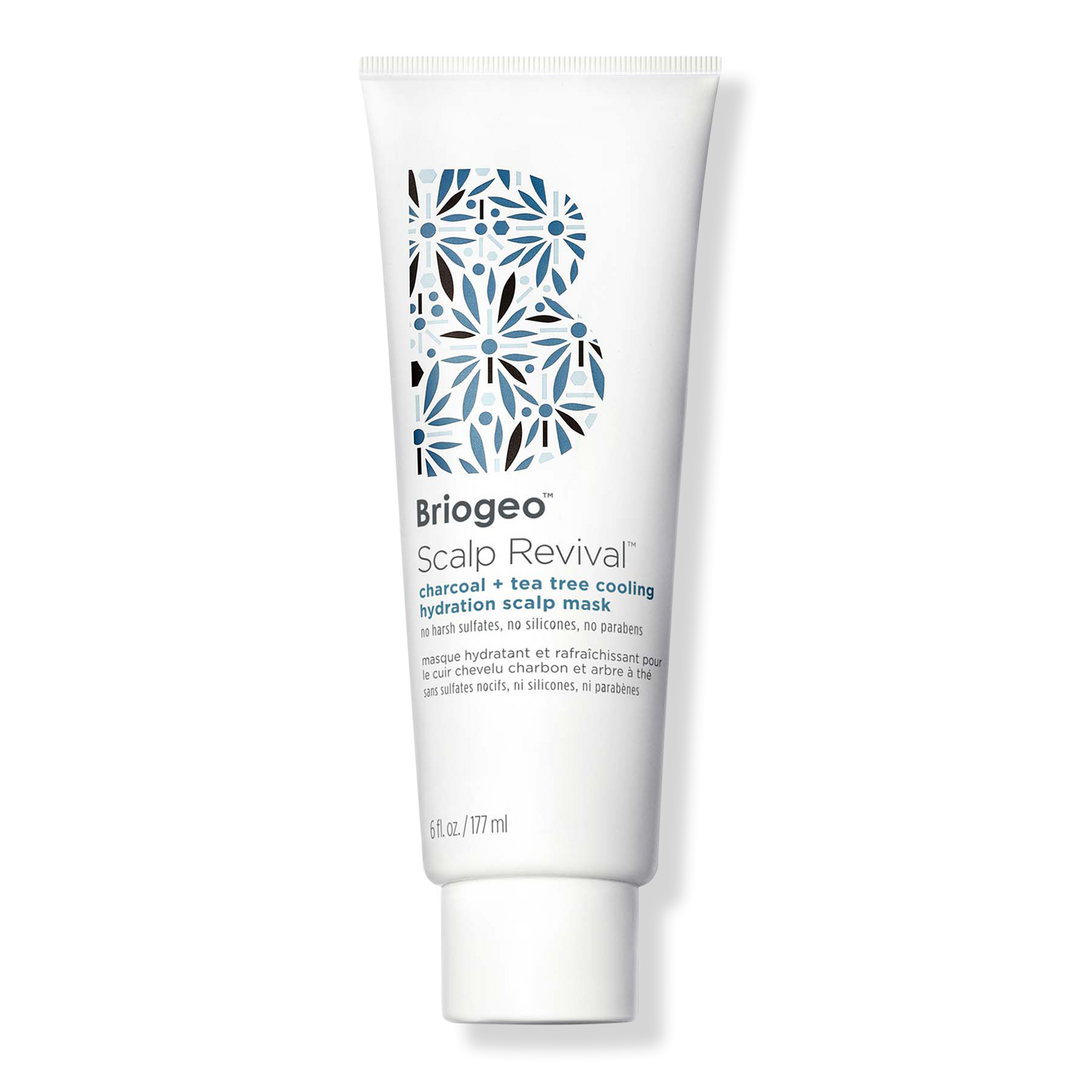
Dry scalp pick: Briogeo Scalp Revival Charcoal + Tea Tree Cooling Hydration Mask
Scalp mask | $34.00
Shop Briogeo Scalp Revival Cooling Hydration Mask at Ulta Beauty →
A little moisture magic for a scalp that's feeling extra thirsty. This cooling mask combines hyaluronic acid, aloe vera and botanical oils to hydrate dry-feeling skin and help soothe tightness and flaking. A weekly pick-me-up for your scalp care routine.
Key specs: Hyaluronic acid and aloe vera · Cooling formula · Helps moisturize dry scalp · Weekly treatment
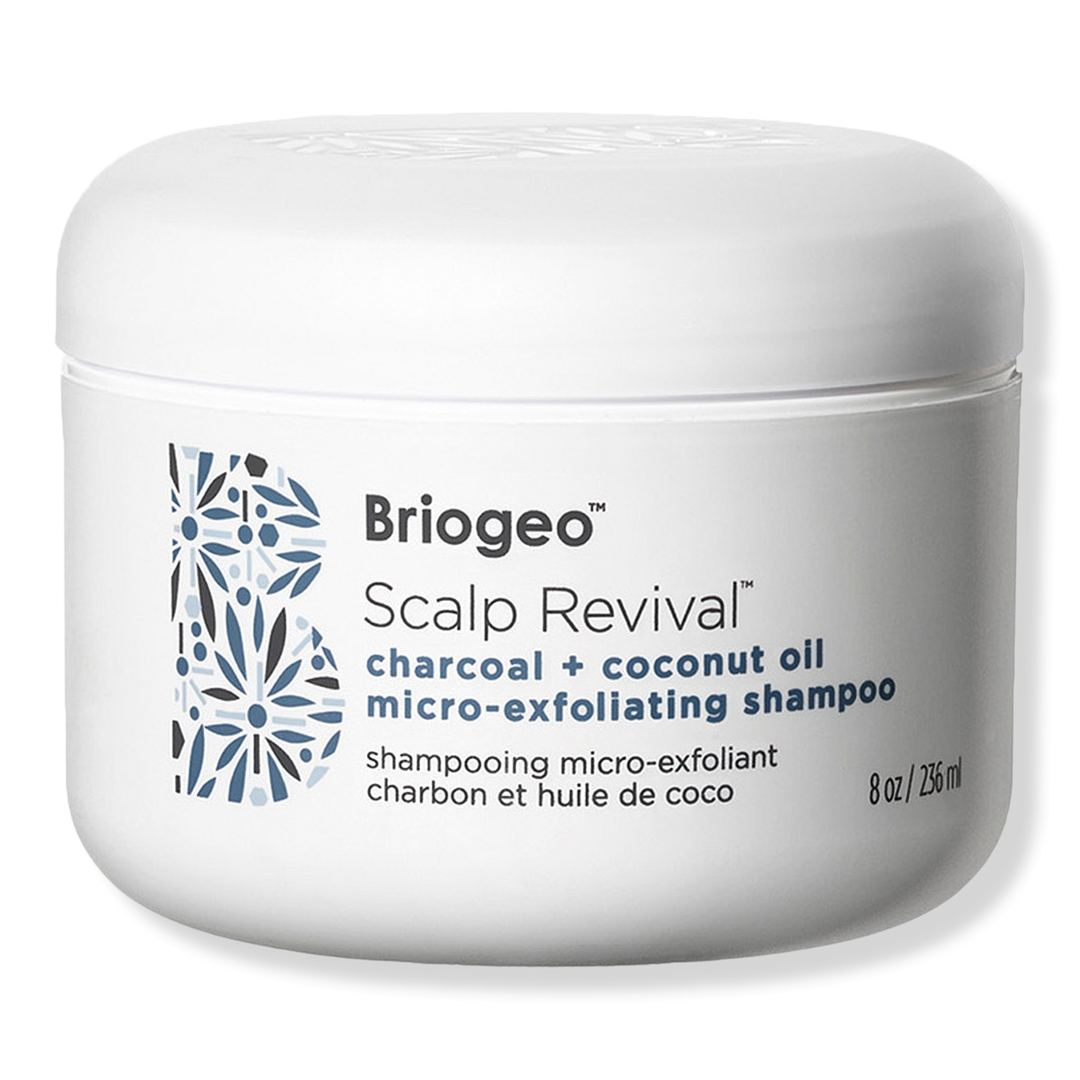
Dry scalp exfoliation pick: Briogeo Scalp Revival Charcoal + Coconut Oil Micro-Exfoliating Shampoo
Scalp scrub shampoo | $15.00 to $134.00
Shop Briogeo Scalp Revival Micro-Exfoliating Shampoo at Ulta Beauty →
Flakes, buildup, gone. This exfoliating shampoo pairs charcoal with coconut oil to help remove buildup while moisturizing the scalp. It's designed for occasional use and may help with visible flakes from dryness. Skip exfoliating scrubs if your scalp is inflamed, broken or particularly sensitive.
Key specs: Charcoal · Coconut oil · Panthenol · Weekly or every-other-week use · Designed for dry scalp flaking
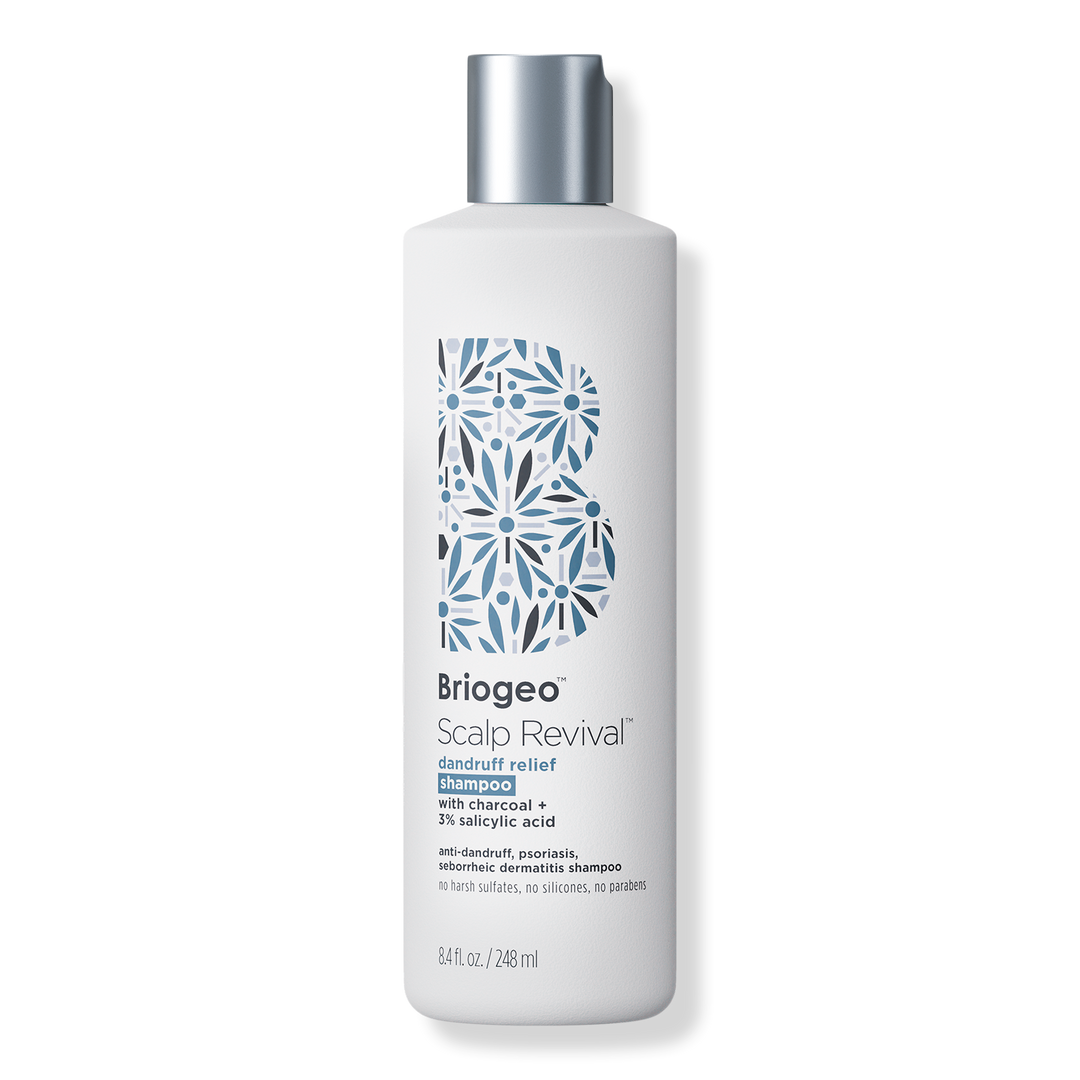
Dandruff pick: Briogeo Scalp Revival MegaStrength+ Dandruff Relief Shampoo
Anti-dandruff shampoo | $42.00
Shop Briogeo Dandruff Relief Shampoo at Ulta Beauty →
Flakes getting a little too comfortable? This targeted shampoo uses 3% salicylic acid to help loosen and remove dandruff-related scaling. Its charcoal-based formula helps cleanse the scalp while supporting a more comfortable wash routine.
Key specs: 3% salicylic acid · Charcoal · Medicated dandruff relief · Helps control itching and flaking associated with dandruff
How to prevent scalp flakes
A few everyday habits can help keep your scalp feeling comfortable.
- Wash according to your scalp's needs. Regular cleansing helps remove oil and buildup, but your ideal frequency depends on your hair type and scalp condition.
- Keep water lukewarm. Very hot showers can contribute to dryness.
- Rinse thoroughly. Leftover shampoo and styling products can irritate your scalp.
- Choose products thoughtfully. If your scalp is sensitive, consider fragrance-free formulas and avoid ingredients that have caused irritation before.
- Use medicated shampoo as directed. If you're prone to dandruff, consistent maintenance may help reduce recurring flakes.
- Give your scalp some TLC. Avoid scratching or aggressively scrubbing irritated areas.
Dry scalp vs. dandruff FAQs
Is dandruff caused by dry scalp?
Not usually. Dandruff is commonly associated with scalp oil, Malassezia yeast and inflammation, while dry scalp is often related to moisture loss or irritation. Both can cause flakes, but they may need different treatments.
Can you have dry scalp and dandruff at the same time?
Yes! Your scalp can experience dryness and dandruff simultaneously.
For example, you might have dandruff-related flaking while also experiencing dryness from harsh cleansing products or cold weather.
If you're dealing with both, consider a routine that balances targeted dandruff treatment with gentle cleansing and moisturizing care. Avoid piling on multiple exfoliating products, especially if your scalp is already irritated.
How can you tell if you have dandruff or dry scalp?
Dry scalp often feels tight and produces smaller, drier flakes. Dandruff may involve oilier flakes, itching and inflamed or greasy patches. These signs aren't definitive, so persistent symptoms may need a dermatologist's evaluation.
Should you wash your hair more often if you have dandruff?
Sometimes. Regular shampooing can help remove excess oil and buildup, but the right frequency depends on your scalp and hair type. If you're using an anti-dandruff shampoo, follow its directions.
Can dry shampoo cause dandruff?
Dry shampoo doesn't directly cause dandruff, but frequent use without adequate cleansing can contribute to buildup and irritation. It also doesn't replace washing your scalp with water and shampoo.
Does oiling your scalp help dandruff?
Not necessarily. Some oils can help soften dry-feeling skin, but applying oil won't address the underlying causes of dandruff and may worsen symptoms for some people. If you have persistent dandruff, consider a targeted anti-dandruff shampoo.
Can dandruff cause hair loss?
Dandruff itself doesn't typically cause permanent hair loss. However, intense scratching and scalp inflammation can contribute to temporary shedding or hair breakage. See a dermatologist if you notice significant shedding or patchy hair loss.
Is dandruff contagious?
No. Dandruff isn't contagious, and it isn't a sign of poor hygiene.
How long does it take to get rid of dandruff?
Some people notice improvement after a few washes with an anti-dandruff shampoo, while others may need several weeks of consistent use. Dandruff can recur, so maintenance may be necessary.
Can stress make dandruff worse?
Stress may contribute to flare-ups of dandruff and seborrheic dermatitis in some people. Managing stress can be helpful, but it doesn't replace targeted scalp treatment.
What's the best shampoo for dry scalp vs. dandruff?
For dry scalp, look for gentle, moisturizing shampoos that won't leave your scalp feeling stripped. For dandruff, choose a shampoo with an appropriate active ingredient, such as ketoconazole, selenium sulfide or salicylic acid.
The bottom line
Flakes happen. Finding the right care starts with understanding why.
If your scalp feels tight, dry and uncomfortable, moisturizing care may help. If you're dealing with recurring flakes, itching and oily patches, a targeted anti-dandruff shampoo could be a better fit.
Whatever your scalp is telling you, a little attention up top can make your whole hair care routine feel better.
Related Content: Best Damaged Hair Care Products, Best Hair Products for Dry Hair, Best Hydrating Hair Products, Best Healthy Hair Products, Best Products for Fine Thin Hair, Best Hair Growth Products, Best Hair Protection Products, Best Products & Shampoos
Explore more Hair Care Buying Guides and Beauty Education Articles