What do peptides do for skin?
The small-but-mighty ingredients that can help support smoother and firmer skin.
Information provided is for educational purposes only and is not intended as medical advice or a guarantee of results. Consult a dermatologist or healthcare professional for personalized skin care guidance.
Peptides have become one of the most talked-about ingredients in modern skin care—and for good reason. Here’s what you need to know about what peptides are, how they work and how to make them part of your skin care lineup.
What are peptides in skin care?
Peptides are short chains of amino acids, the same building blocks that form proteins such as collagen, elastin, and keratin, which are essential for strong, healthy skin. In skin care, peptides can send signals that tell your skin to produce more of these key proteins, helping to maintain firmness, elasticity, and a smooth texture.
What are the benefits of using skin care with peptides?
Using peptide-based products can help improve skin’s overall appearance and resilience.
Peptides can:
- Help support collagen and elastin production to reduce the appearance of fine lines and wrinkles
- Help strengthen the skin barrier, helping to lock in moisture and protect against environmental stressors
- Help improve firmness and elasticity over time
- May enhance skin texture and smoothness
- May calm visible irritation and redness
What do peptides do for the skin?
When you apply peptides in your skin care routine, they act like little “coaches” for your skin cells, sending signals that encourage your skin to stay strong and smooth. Over time, daily stress, sun exposure, and natural aging can cause collagen and elastin (the proteins that keep skin firm and bouncy) to break down. Peptides help counter that by reminding your skin to keep producing these important building blocks.
They also support your skin barrier, the outer layer that keeps moisture in and irritants out, helping your complexion stay hydrated and resilient. With consistent use, products with peptides may help your skin look and feel more lifted, supple, and refreshed, with fewer visible fine lines and a smoother overall texture.
Best peptides by category
Best peptide serums
12 items
Use previous and next buttons to navigate the slides of the Best peptide serums Product Carousel
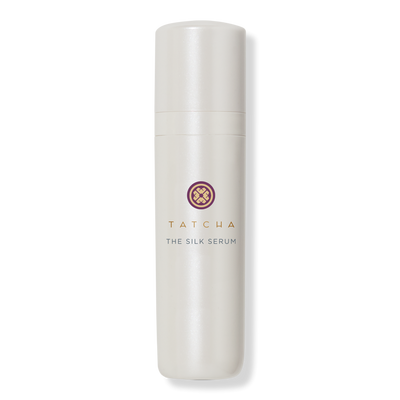
TATCHA
The Silk Serum Wrinkle-Smoothing Peptide + Retinol Alternative
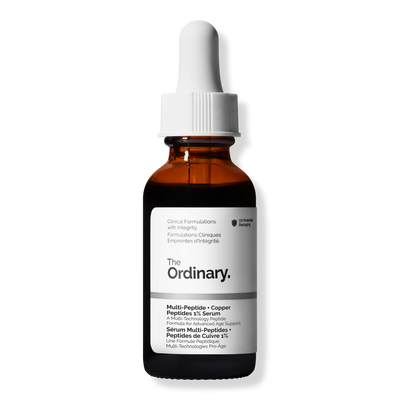
The Ordinary
Multi-Peptide + Copper Peptides 1% for Wrinkles and Skin Elasticity
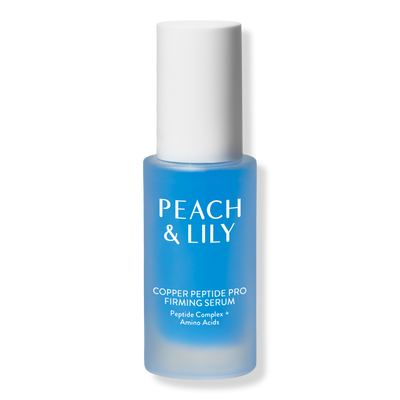
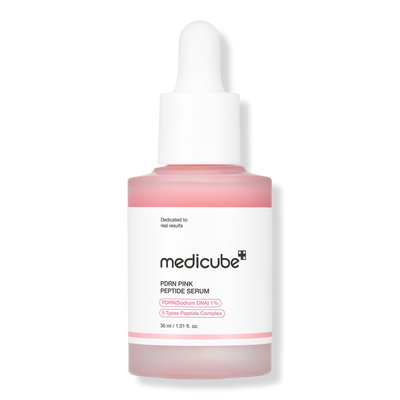
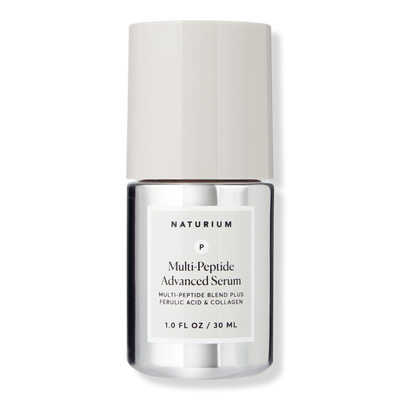
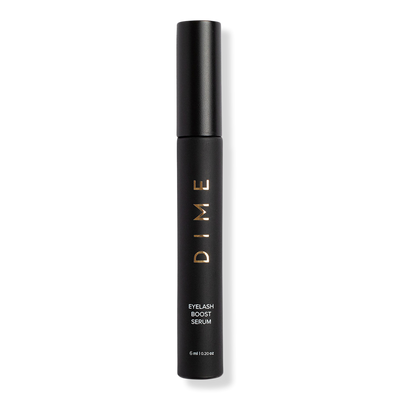
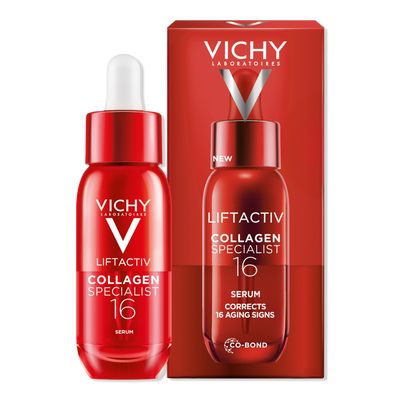
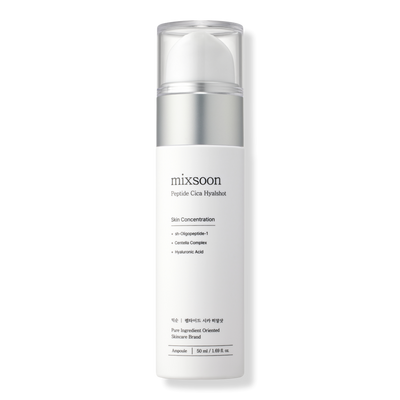
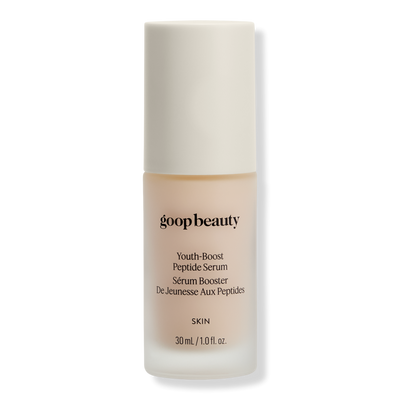
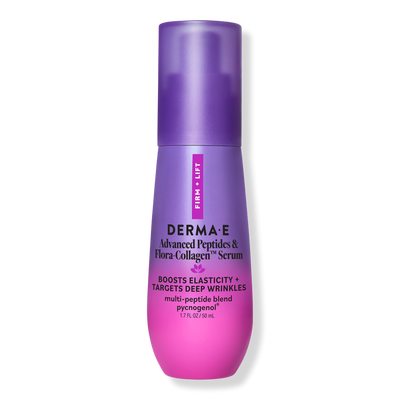
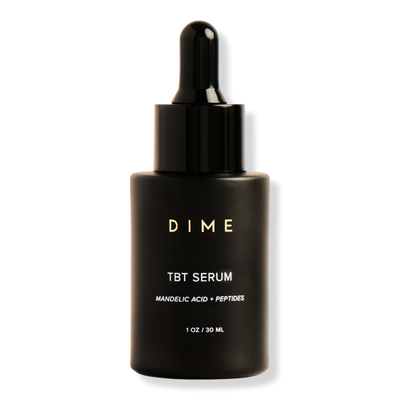
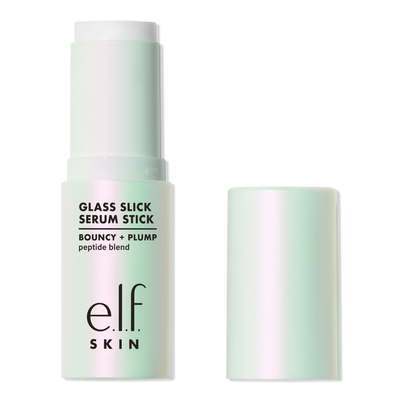
Peptide serums are often the most concentrated way to add peptides to your skin care routine. Because they're designed to be applied before moisturizers, they can deliver targeted ingredients that help support firmer-looking skin, improve elasticity, and soften the appearance of fine lines. Many peptide serums also pair peptides with hydrating ingredients like hyaluronic acid for an extra boost of moisture and plumpness.
Best peptide moisturizers
12 items
Use previous and next buttons to navigate the slides of the Best peptide moisturizers Product Carousel
Vichy
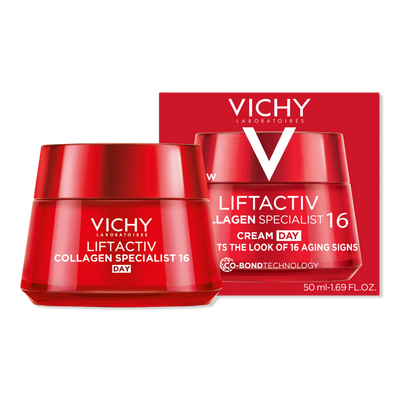
LiftActiv Collagen Specialist 16 Day Cream
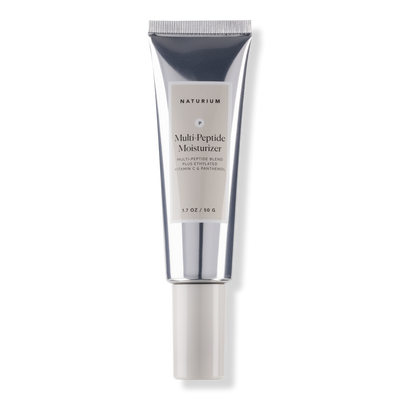
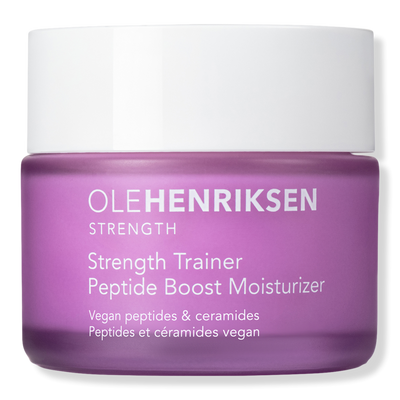
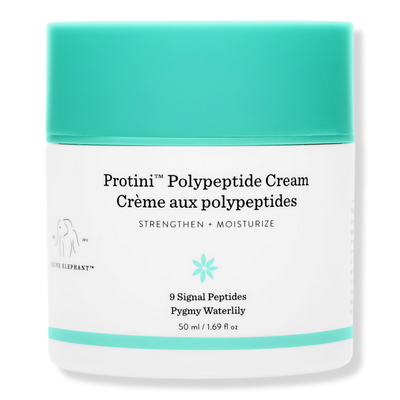
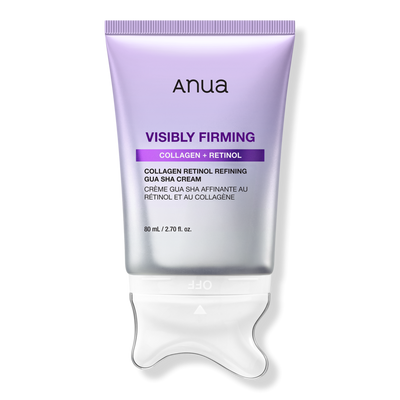
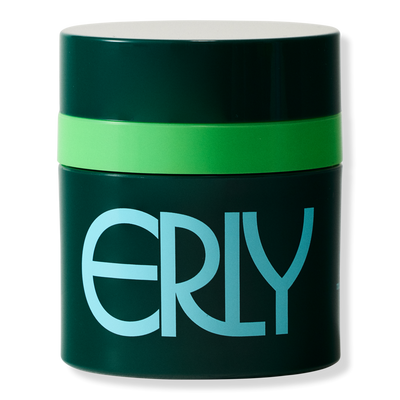
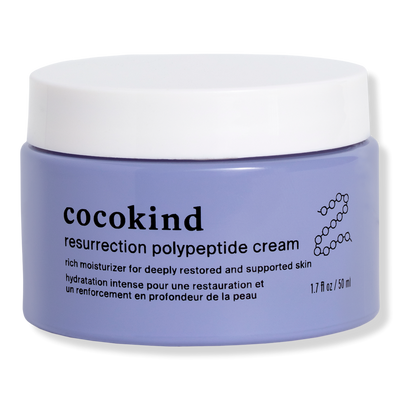
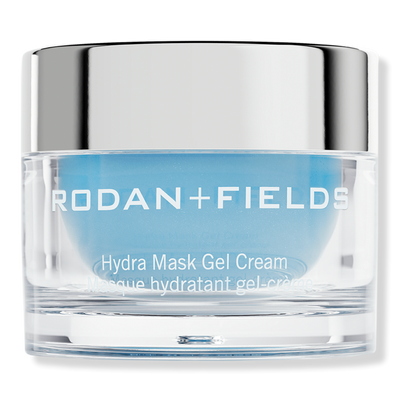
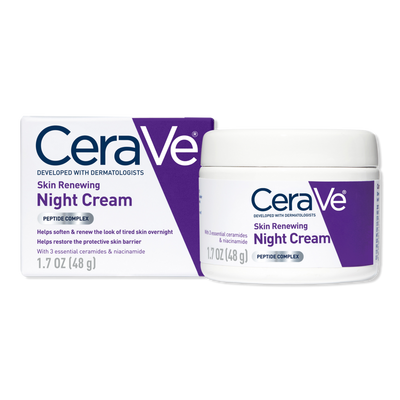
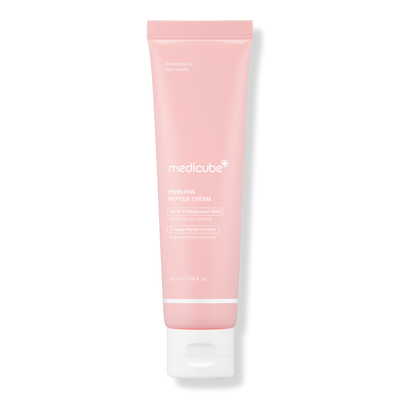
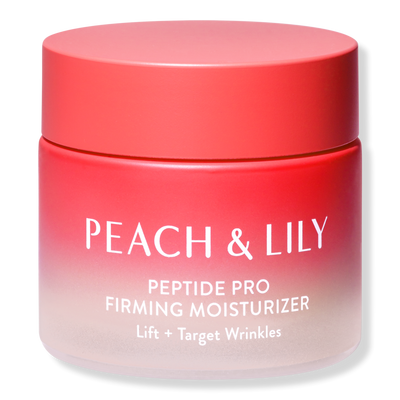
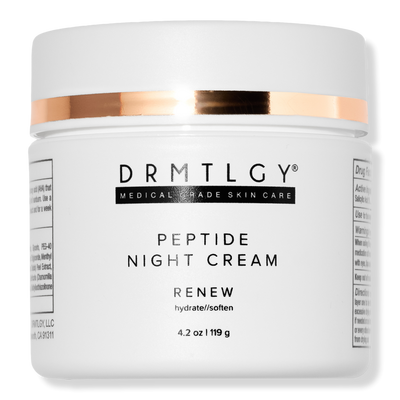
Peptide moisturizers combine hydration with skin-supporting ingredients that help maintain a healthy skin barrier. These formulas can help lock in moisture while supporting smoother, firmer-looking skin over time. They're an easy way to incorporate peptides into both your morning and evening routines.
Best peptide eye creams
12 items
Use previous and next buttons to navigate the slides of the Best peptide eye creams Product Carousel
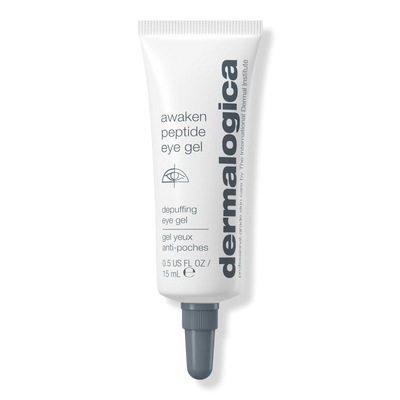
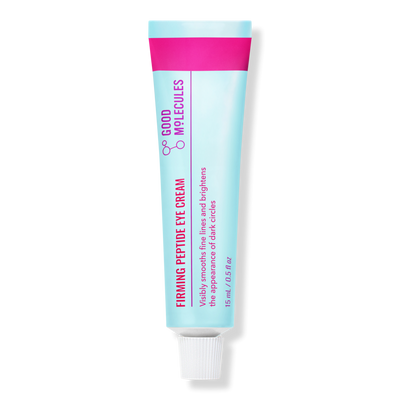
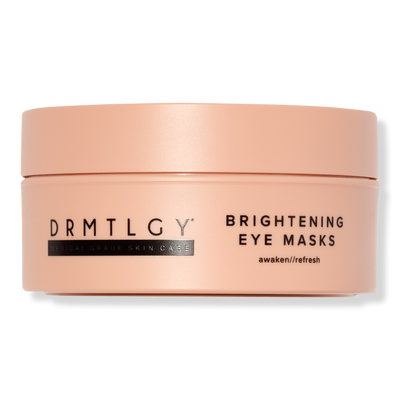
DRMTLGY
FacialRX Brightening Eye Masks with Peptides and Hyaluronic Acid
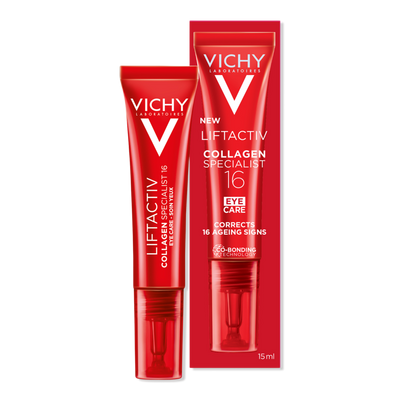
Vichy
LiftActiv Collagen Specialist 16 Eye Cream
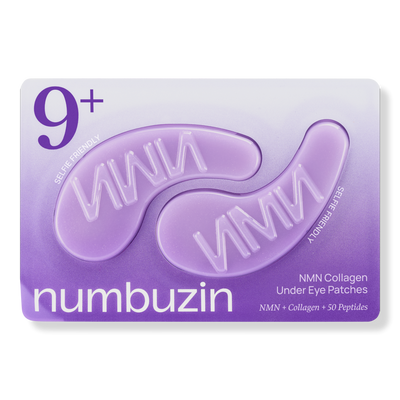
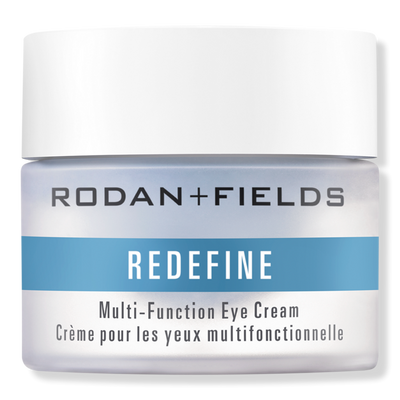
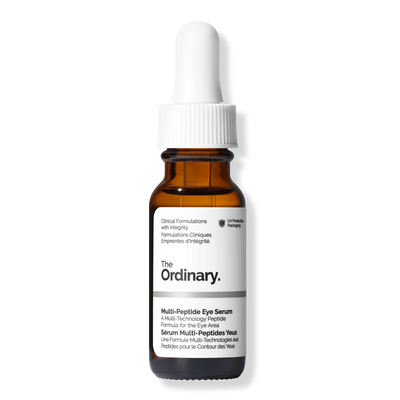
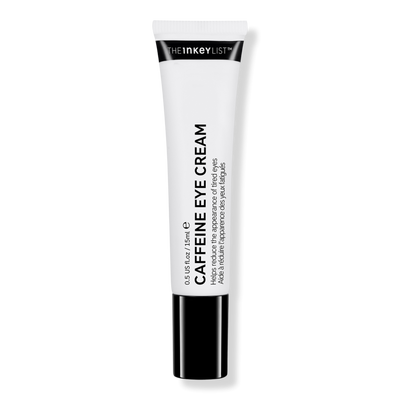
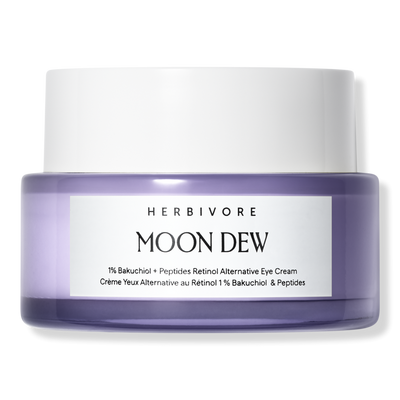
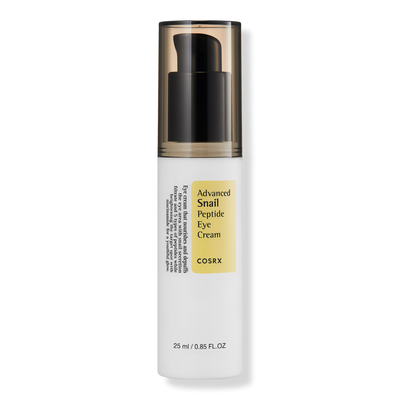
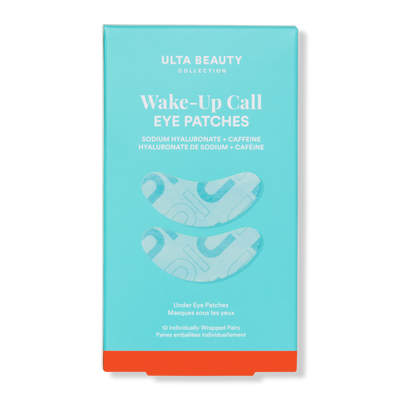
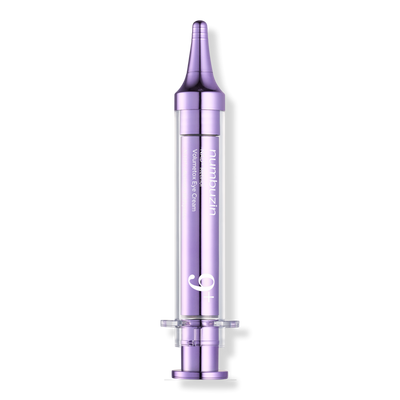
The delicate skin around the eyes is often one of the first places to show visible signs of aging. Peptide eye creams and treatments can help reduce the appearance of fine lines, improve the look of firmness, and provide hydration to keep the eye area looking refreshed and well-rested.
Best peptide face masks
12 items
Use previous and next buttons to navigate the slides of the Best peptide face masks Product Carousel
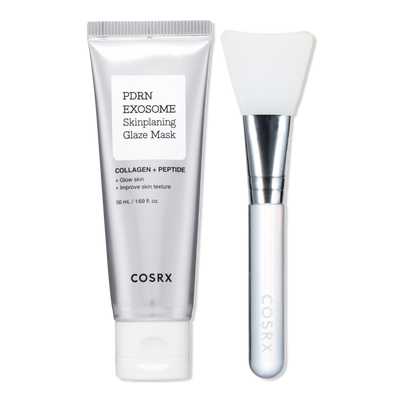
COSRX
PDRN Exosome Skinplaning Glaze Mask with Collagen & Peptide
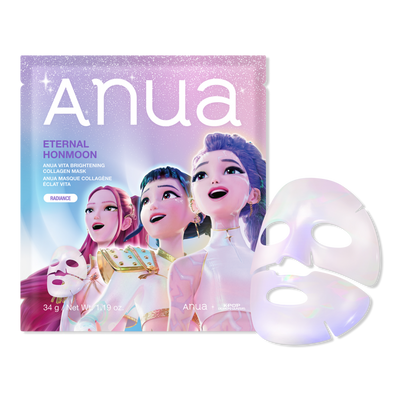
ANUA
KPop Demon Hunters Vita Brightening Collagen Mask
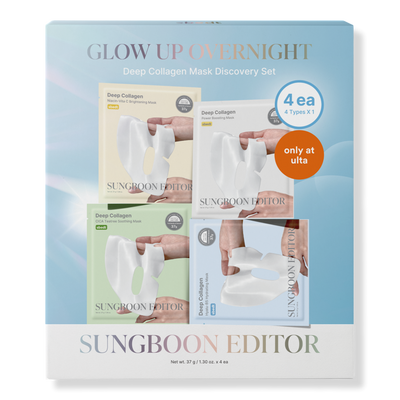
SUNGBOON EDITOR
Deep Collagen Mask Discovery Set
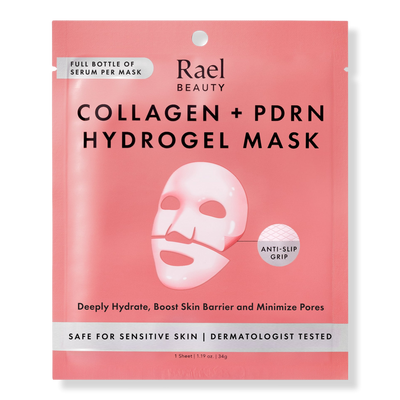
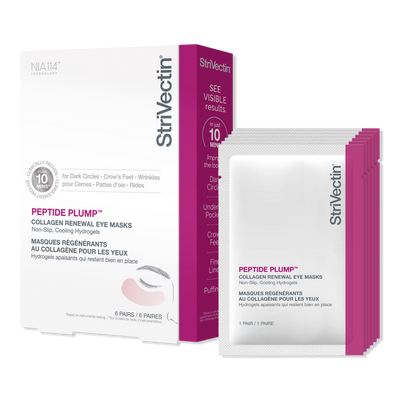
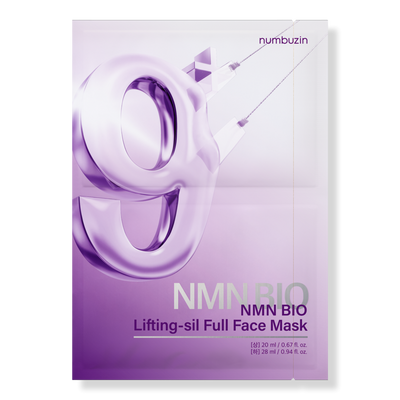
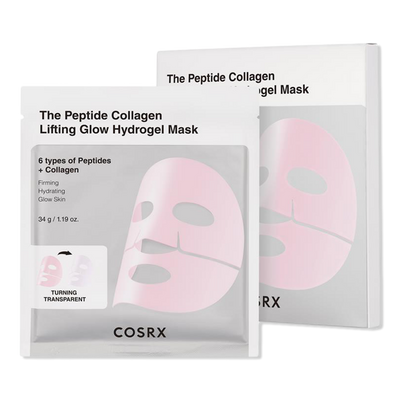
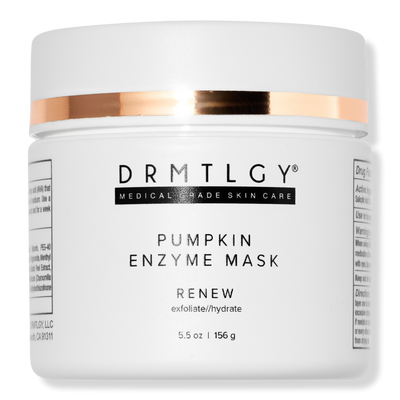
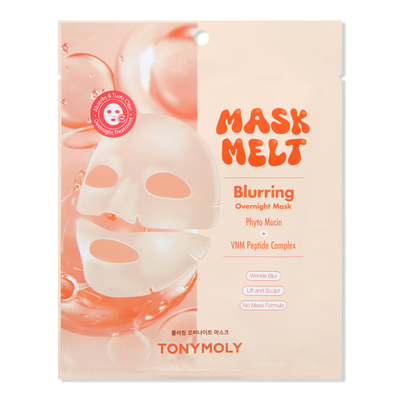
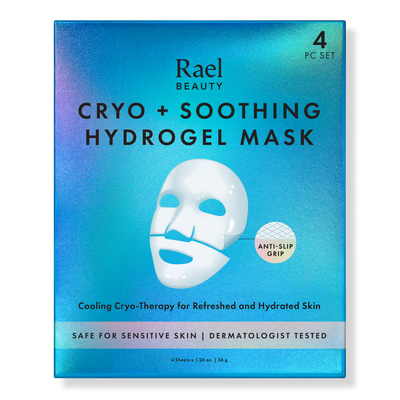
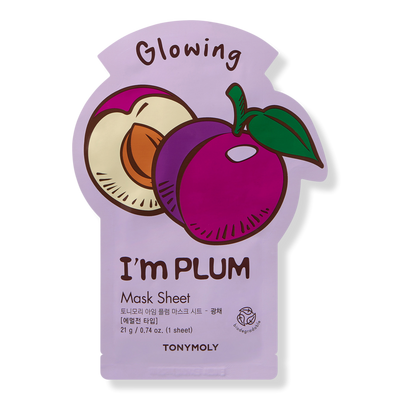
Peptide face masks offer a concentrated treatment that can help leave skin looking smoother, more hydrated, and revitalized. Whether you prefer sheet masks, overnight masks, or rinse-off treatments, peptide-infused formulas can complement your daily routine and provide an extra dose of skin-loving ingredients.
Best peptide lip treatments
12 items
Use previous and next buttons to navigate the slides of the Best peptide lip treatments Product Carousel
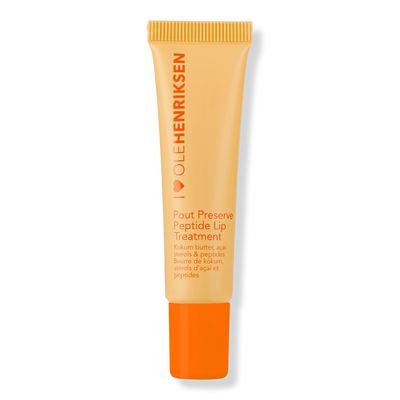
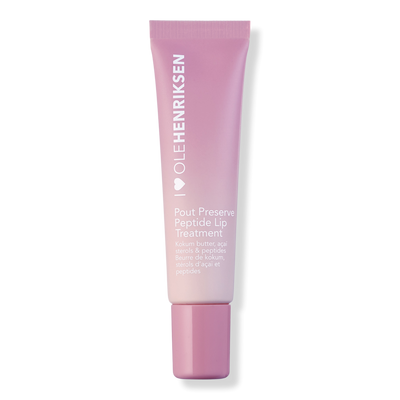
OLEHENRIKSEN
Pout Preserve Hydrating Peptide Lip Treatment
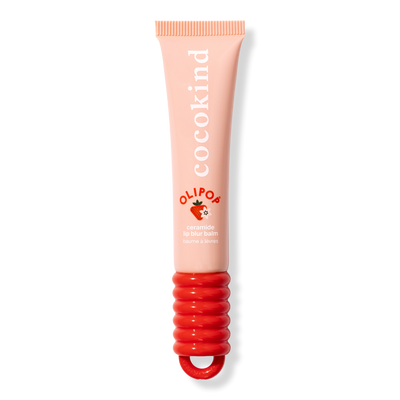
cocokind
Ceramide Lip Blur Balm Hydrating & Smoothing Lip Treatment
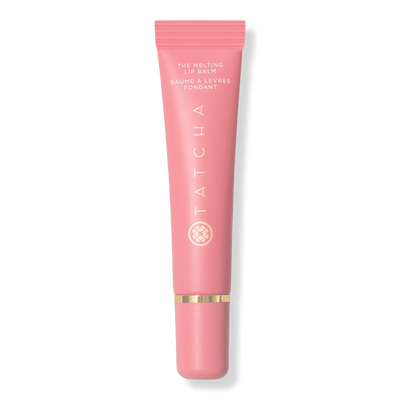
TATCHA
The Melting Lip Balm Volumizing & Restorative Peptide Treatment
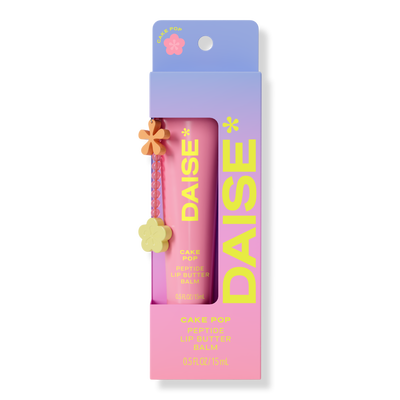
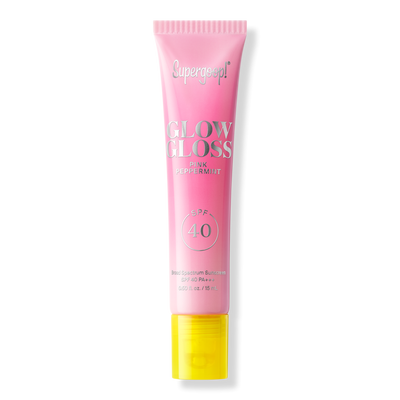
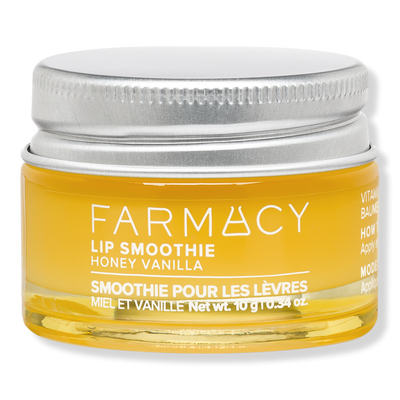
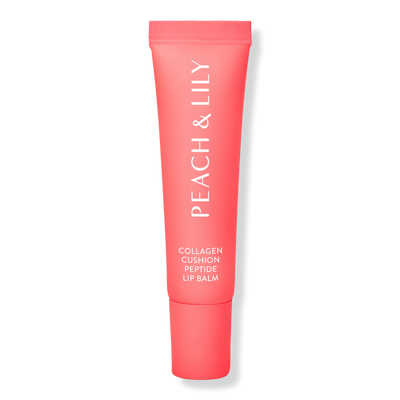
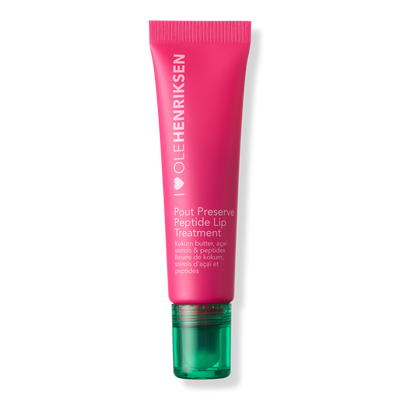
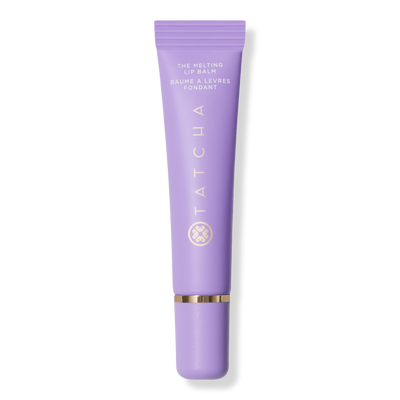
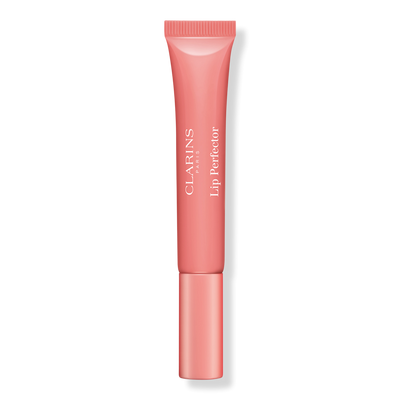
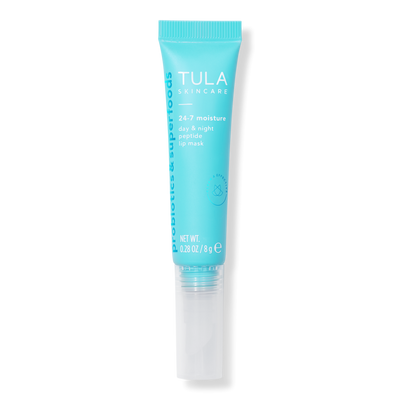
Your lips can benefit from peptides, too. Peptide lip treatments are designed to help improve the appearance of lip fullness, smoothness, and hydration. Many formulas also help soften the look of fine lines around the lips while keeping them nourished and comfortable throughout the day.
What are the best peptides for the skin?
Different peptides serve different purposes, so the best one depends on your skin goals. Here are some popular examples:
Palmitoyl Pentapeptide-4 (Matrixyl): May encourage collagen and hyaluronic acid production for smoother-looking skin.
Copper Peptides: Known for their ability to help improve firmness, and even out skin tone.
Acetyl Hexapeptide-8 (Argireline): Sometimes referred to as a “topical alternative” to injectables because it may help reduce the look of expression lines.
Tripeptide-1: May help support skin renewal and helps reinforce the skin barrier.
How often to use peptides?
Most peptide serums, creams, and moisturizers are designed for daily use—either morning, evening, or both. Consistency is key since peptides work gradually by supporting the skin’s natural renewal processes. Look for them in leave-on products like serums or moisturizers for the best results.
Frequently Asked Questions
Which is better peptides or retinol?
Peptides and retinol serve different but complementary purposes. Retinol helps speed up cell turnover and collagen production, while peptides help maintain and strengthen the existing structure of your skin.
Where to get peptides for skin?
You can find peptides at Ulta Beauty in many types of skin care products—especially serums, eye creams, and moisturizers. Look for ingredient names like “palmitoyl,” “acetyl,” or “copper peptide” on product labels.
Do peptides work for skin tightening?
Certain peptides may improve skin firmness and elasticity by stimulating collagen and elastin synthesis.
Which peptides are good for aging skin?
For mature or aging skin, look for palmitoyl tripeptide-1, palmitoyl tetrapeptide-7, and copper peptides—all known for helping to minimize wrinkles, enhance firmness, and improve texture over time. These ingredients work best in products designed to nourish and restore the skin barrier while boosting visible elasticity.
Related Content:
What is Glycolic Acid & How to Use It?, Japanese Skin Care Products, Azelaic Acid Benefits, What is Double Cleansing, What is Snail Mucin?, How to Read Skin Care Ingredients Labels
Discover more: Skin Care Buying Guides and Beauty Education Articles