The best acne treatments
Tailored solutions to match your skin’s unique needs.
Best treatments for teenage acne
Clear acne without disrupting temperamental teen skin.
12 items
Use previous and next buttons to navigate the slides of the Best treatments for teenage acne Product Carousel
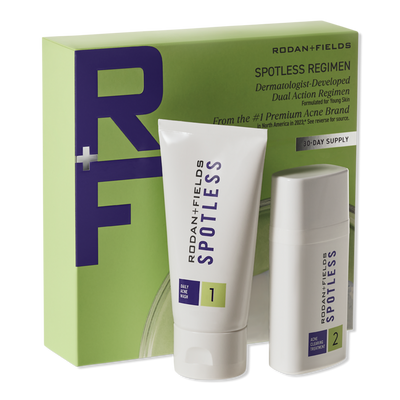
RODAN + FIELDS
Spotless 30-Day Regimen for Teen Acne
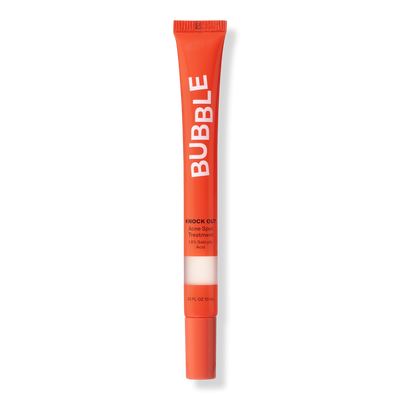
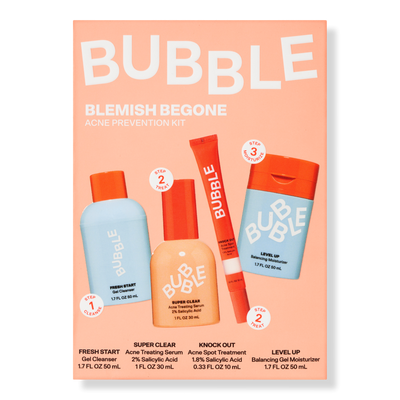
Bubble
Knock Out 1.8% Salicylic Acid Acne Spot Treatment
Best treatments for adult acne
Find gentle formulas to keep breakouts in check.
12 items
Use previous and next buttons to navigate the slides of the Best treatments for adult acne Product Carousel
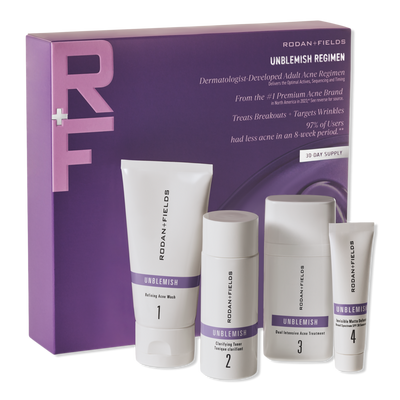
RODAN + FIELDS
Unblemish 30-Day Regimen for Adult Acne
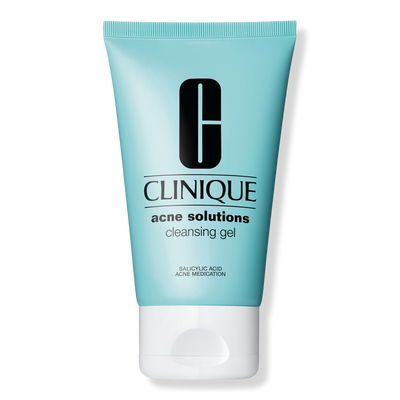
Clinique
Acne Solutions Cleansing Gel with Salicylic Acid
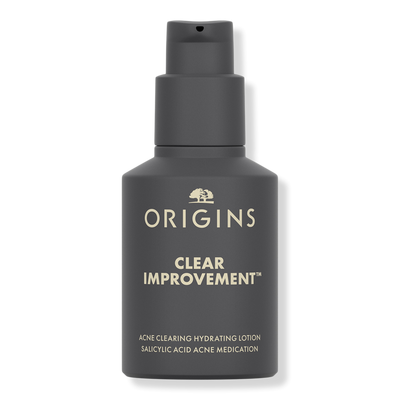
Origins
Clear Improvement Acne Clearing Hydrating Lotion
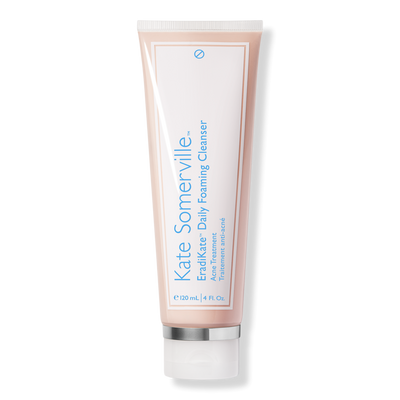
Kate Somerville
EradiKate 3% Sulfur Daily Foaming Cleanser
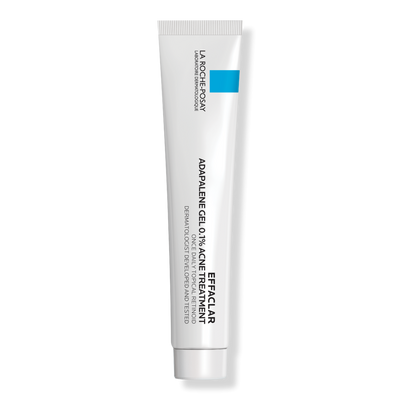
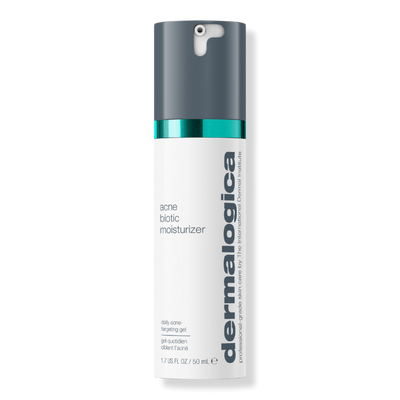
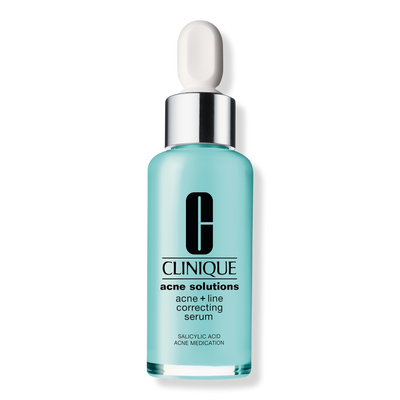
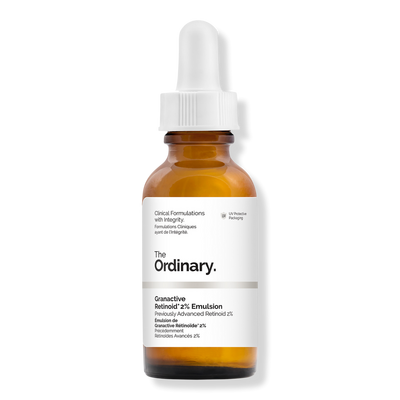
Best treatments for menopausal acne
Care for hormonal acne with gentle solutions.
12 items
Use previous and next buttons to navigate the slides of the Best treatments for menopausal acne Product Carousel
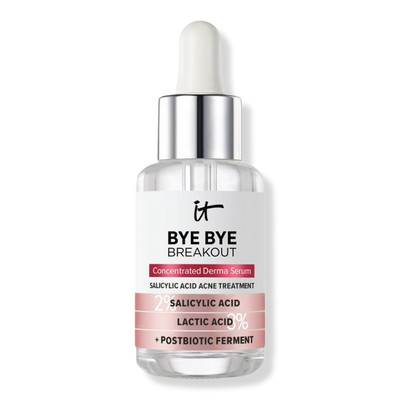
IT Cosmetics
Bye Bye Breakout Salicylic Acid Acne Serum
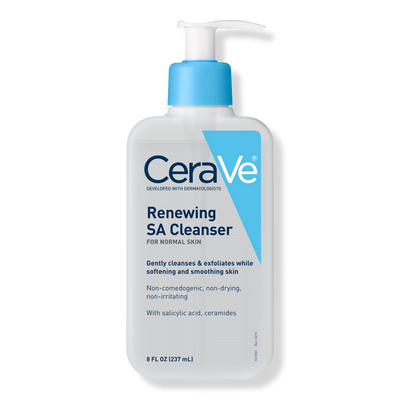
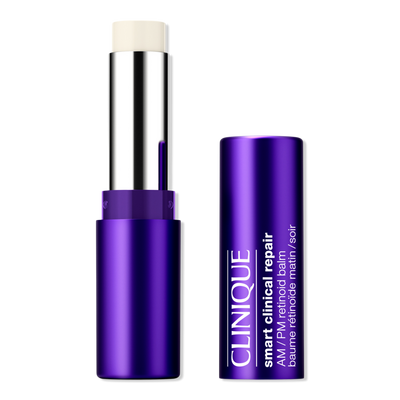
Clinique
Smart Clinical Repair AM/PM Retinoid Balm
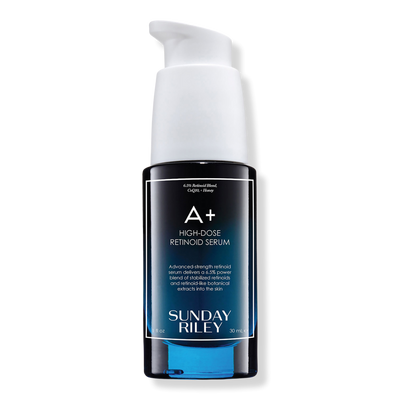
SUNDAY RILEY
A+ High-Dose Retinoid Serum
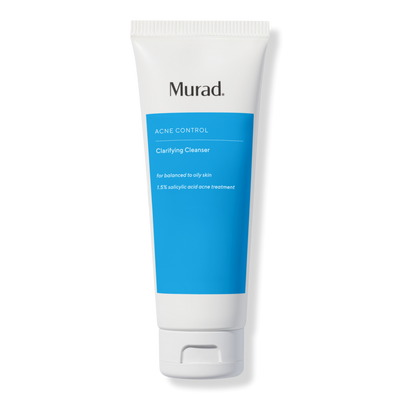
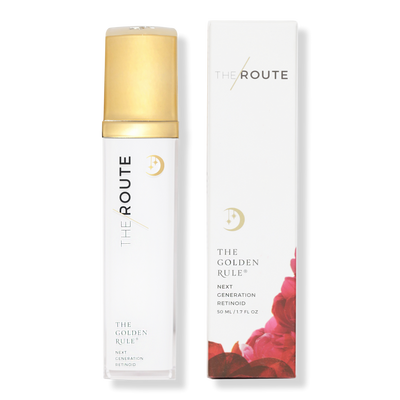
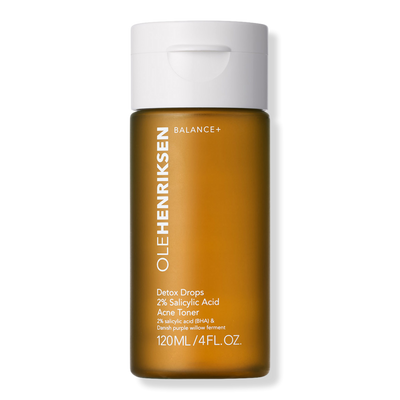
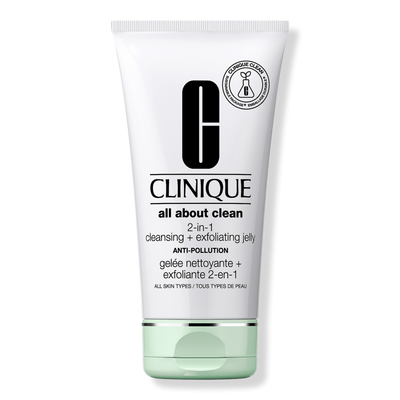
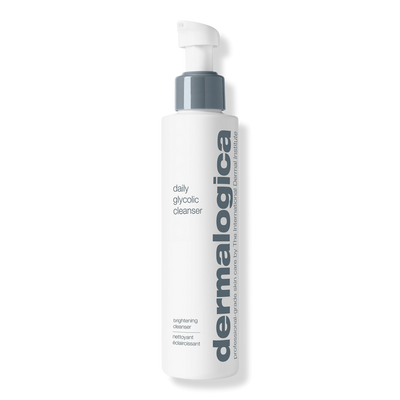
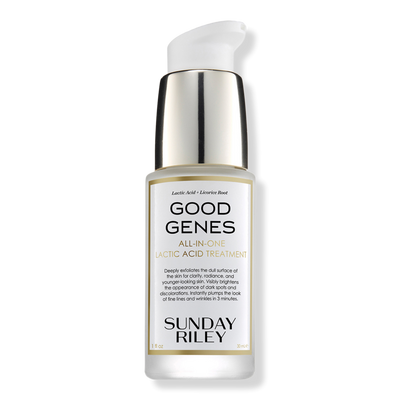
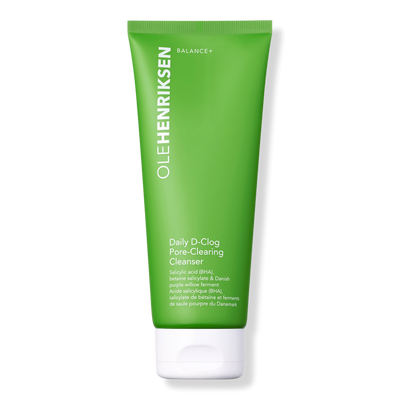
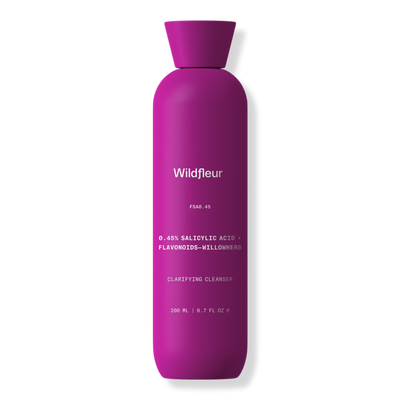
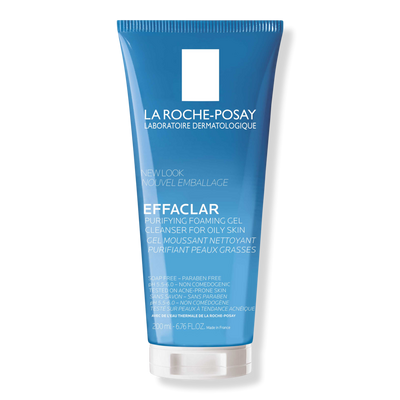
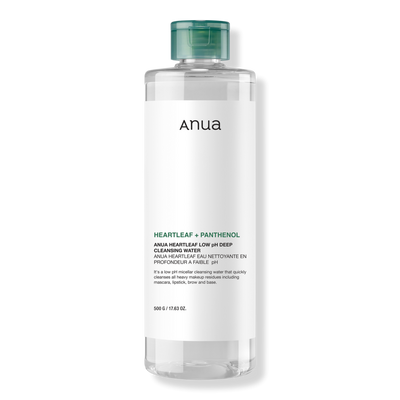
Best cleansers for acne prone skin
Wash away buildup without drying your skin.
12 items
Use previous and next buttons to navigate the slides of the Best cleansers for acne prone skin Product Carousel
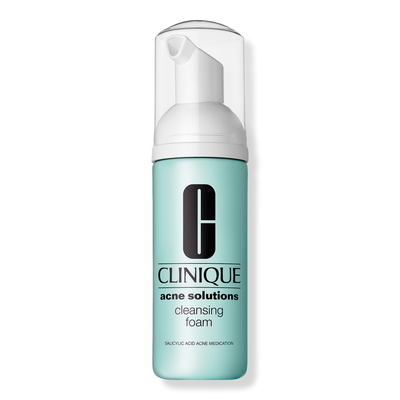
Clinique
Acne Solutions Cleansing Foam Face Wash
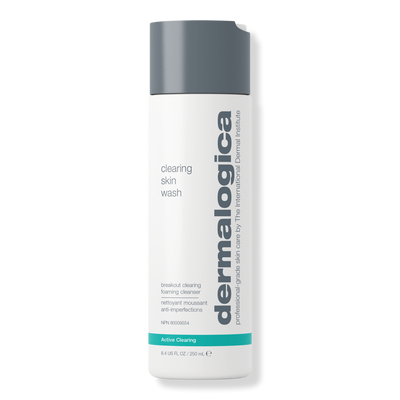
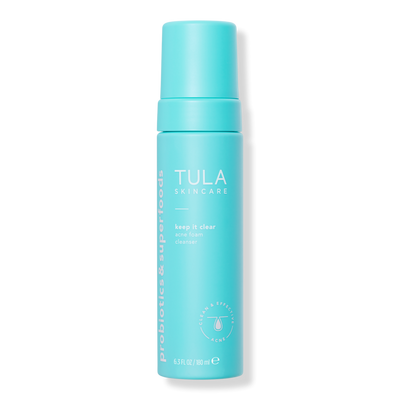
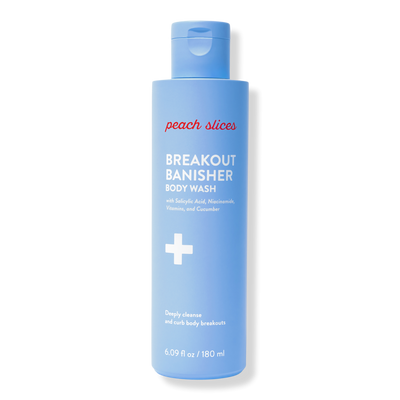
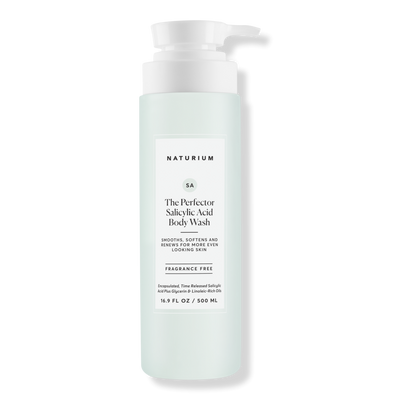
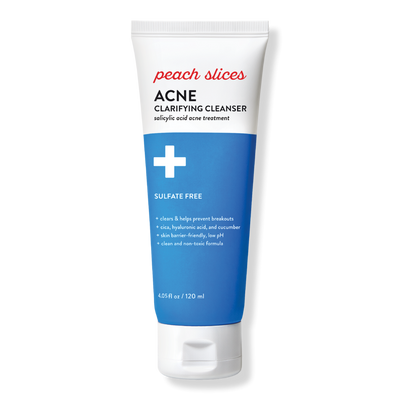
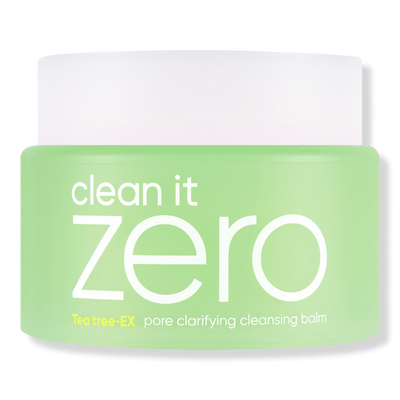
Best moisturizers for acne prone skin
Reach for hydrating options that won’t clog pores.
12 items
Use previous and next buttons to navigate the slides of the Best moisturizers for acne prone skin Product Carousel
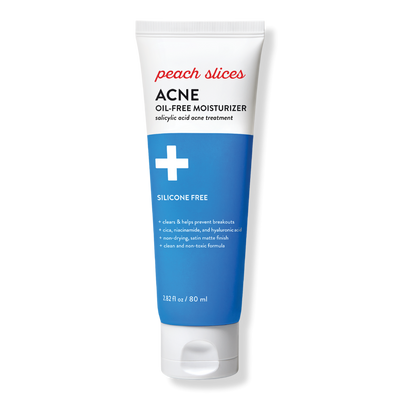
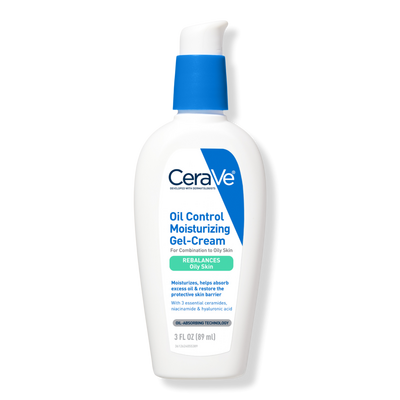
CeraVe
Oil Control Moisturizing Gel-Cream
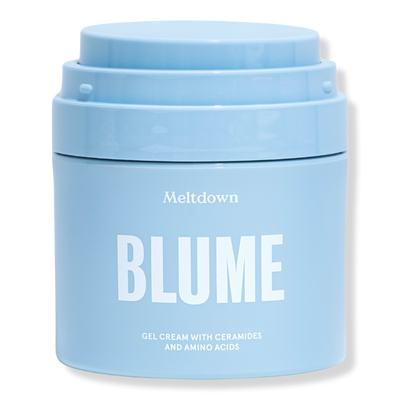
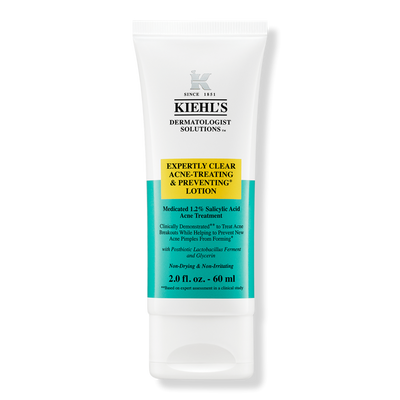
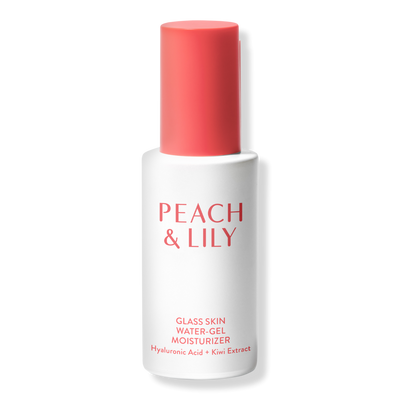
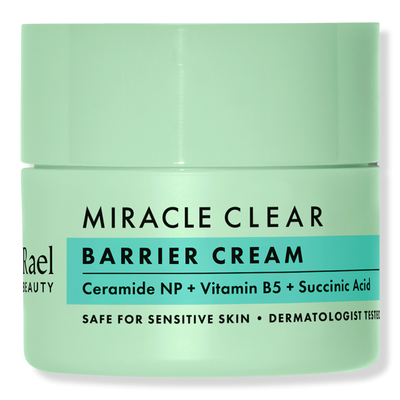
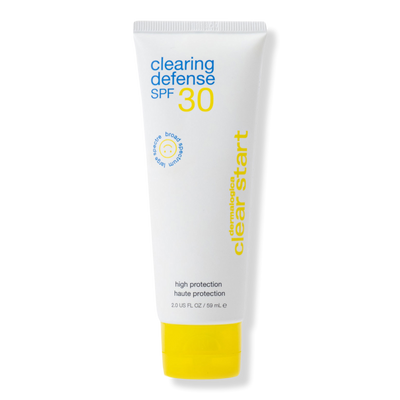
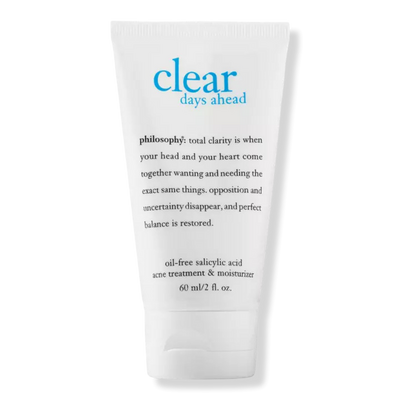
Best acne spot treatments and pimple patches
Fast relief for stubborn breakouts.
12 items
Use previous and next buttons to navigate the slides of the Best acne spot treatments and pimple patches Product Carousel
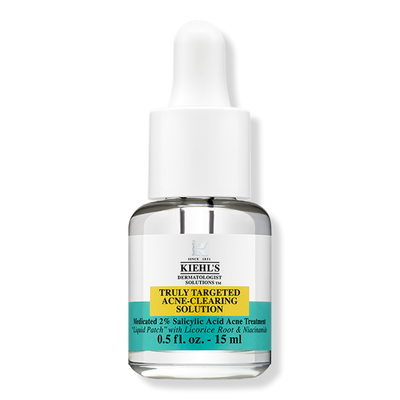
Kiehl's Since 1851
Truly Targeted Acne-Clearing Solution with Salicylic Acid
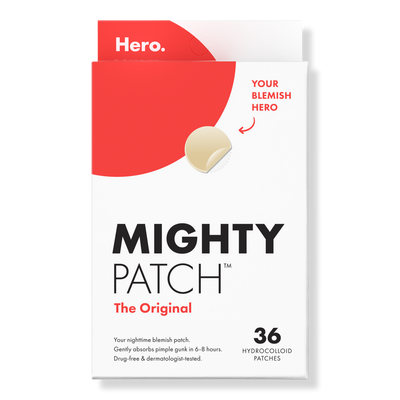
Hero Cosmetics
Mighty Patch Original Acne Pimple Patches
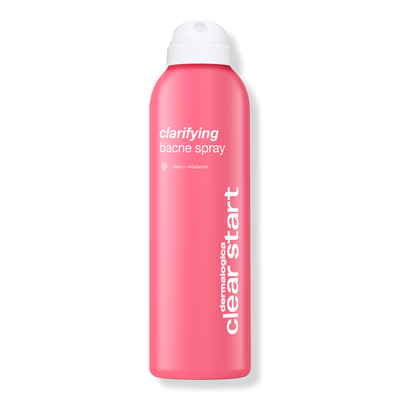
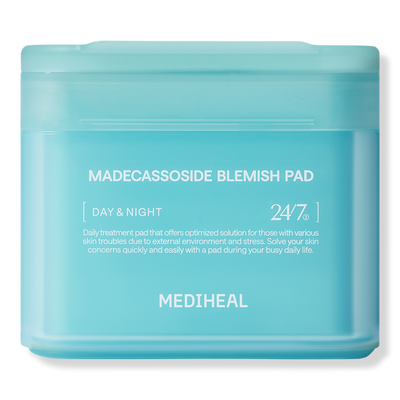
MEDIHEAL
Madecassoside Blemish Pad
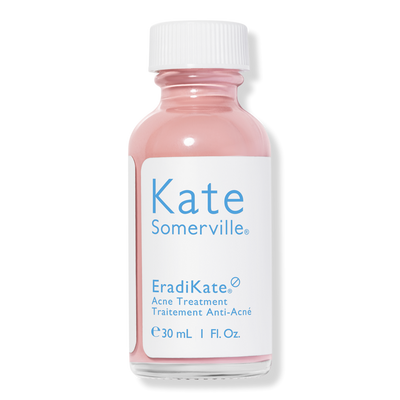
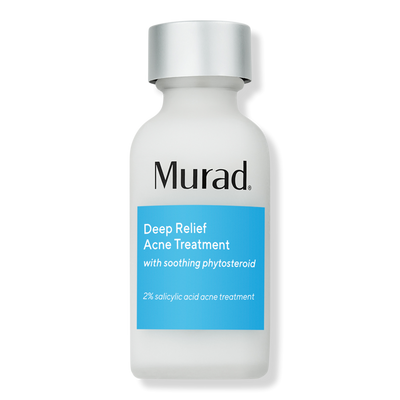
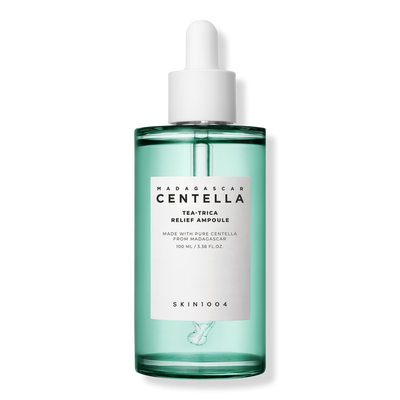
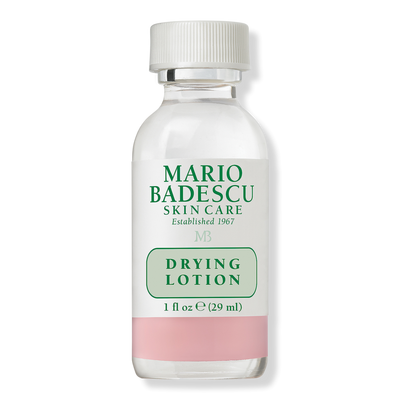
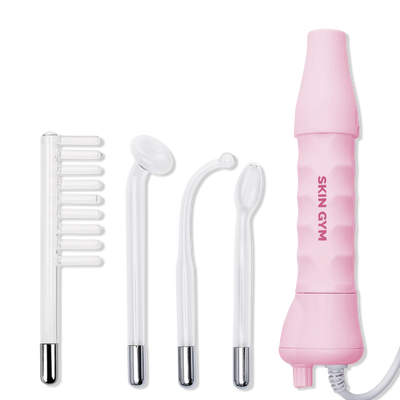
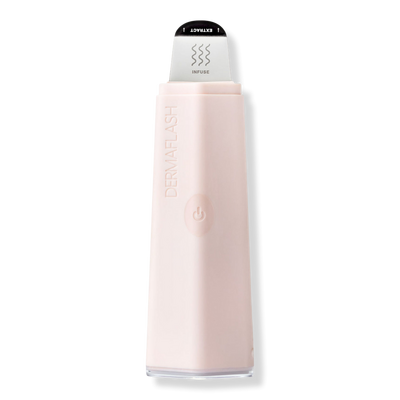
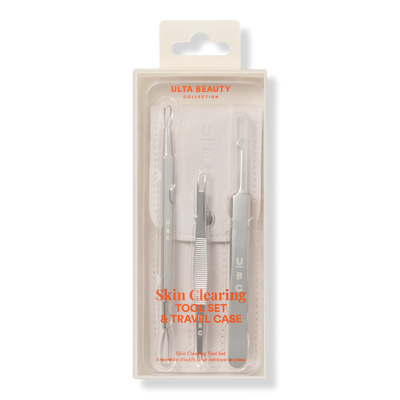
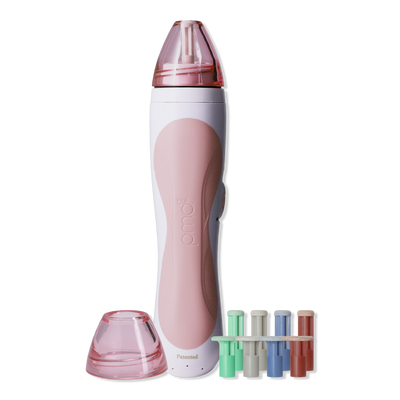
Best acne tools and devices
Target breakouts with specialized solutions.
11 items
Use previous and next buttons to navigate the slides of the Best acne tools and devices Product Carousel
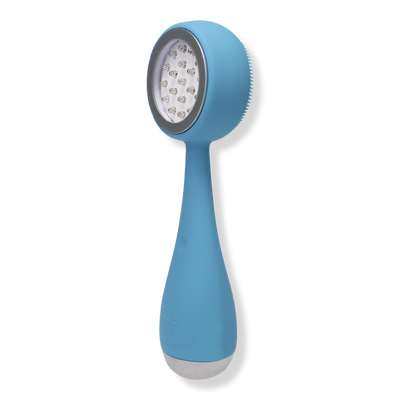
PMD
Clean Acne - Blue Light Therapy Spot Treatment
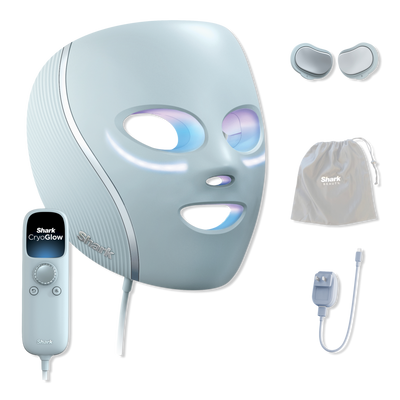
Shark Beauty
CryoGlow Red Blue & Infrared iQLED Face Mask & Under Eye Cooling
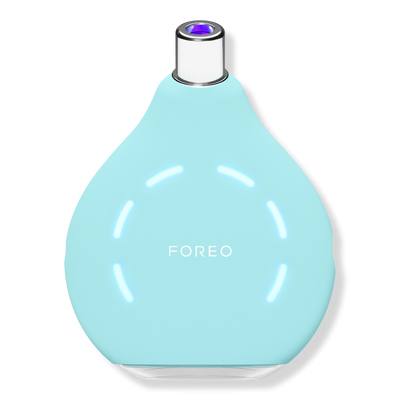
FOREO
KIWI Blackhead Remover Pore Vacuum
Best acne treatments by age
For the most up-to-date, personalized advice on skin care ingredients, we recommend consulting with a dermatologist.
Your skin changes over time, and so do its needs. That’s why selecting acne treatments tailored to your age is key to healthy, happy skin. Teenage skin often battles oiliness and hormonal fluctuations, while adult skin might juggle acne alongside sensitivity, dryness, or fine lines. And yes, menopausal skin introduces its own challenges with shifts in elasticity and hydration. The right products for your age can do wonders—not just to address breakouts, but to support your skin’s overall balance and glow.
Discover gentle yet effective solutions at Ulta Beauty that cater to every stage of life. From lightweight cleansers for teens to targeted serums and moisturizers packed with powerhouse ingredients for adults, our selections help you feel more confident in your skin. Start your age-perfect acne care routine today and explore all things beauty, all in one place.
How to tell if acne is hormonal or bacterial?
Distinguishing between hormonal and bacterial acne is crucial for choosing the most effective treatment approach. While both types can lead to breakouts, they often appear differently and may respond to different ingredients and routines.
- Hormonal Acne: Often appears along the jawline, chin, and neck. It typically presents as deep, cystic, and painful bumps that may not come to a head. Hormonal acne is commonly linked to fluctuations in hormones during puberty, menstruation, pregnancy, perimenopause, and menopause. These breakouts may appear in recurring patterns and can worsen during periods of hormonal change.
- Bacterial Acne: More commonly manifests as whiteheads, blackheads, pustules, and papules that can appear anywhere on the face, chest, or back. It's caused by an overgrowth of acnes bacteria. Bacterial acne tends to be more widespread and may respond well to ingredients like benzoyl peroxide and salicylic acid.
While there are distinctions, both types can coexist, and a dermatologist can provide a definitive diagnosis and treatment plan. Understanding the underlying cause of your breakouts can help you select products that better support your skin's needs and improve long-term results.
What is the best treatment for teenage acne?
The best treatments for teenage acne often include gentle cleansers with salicylic acid or benzoyl peroxide, oil-free moisturizers, and spot treatments. Since teenage skin is often affected by hormonal changes that increase oil production, consistency is just as important as choosing the right products.
Look for gentle cleansers containing salicylic acid to help remove excess oil and unclog pores. Benzoyl peroxide can be especially effective for reducing acne-causing bacteria and treating active breakouts. Oil-free, non-comedogenic moisturizers are also essential because they help keep skin balanced without contributing to congestion.
Discover our Teen and Tween Skin Care Faves buying guide for expert recommendations.
What is the best acne routine for teens?
A simple yet consistent acne routine for teens is the most effective way to manage breakouts and maintain healthy-looking skin:
Morning:
- Cleanse: Use a gentle cleanser, possibly one with salicylic acid.
- Treat: Apply a thin layer of topical treatment (e.g., benzoyl peroxide or clindamycin, if prescribed) to affected areas.
- Moisturize: Use a lightweight, non-comedogenic moisturizer.
- Protect: Finish with a broad-spectrum, non-comedogenic SPF 30+ sunscreen.
Evening:
- Cleanse: Use a gentle cleanser to remove dirt, oil, and makeup.
- Treat: Apply a topical retinoid (like adapalene) to clean, dry skin.
- Moisturize: Follow with a non-comedogenic moisturizer.
Avoid picking or squeezing pimples, Doing so can introduce additional bacteria, increase inflammation, and potentially lead to dark marks or permanent scarring.
Why do teenagers get pimples?
Hormonal changes during puberty can significantly increase oil production within the skin. This excess oil can combine with dead skin cells and clog pores, creating an environment where acne-causing bacteria can thrive.
Teenagers may also experience acne due to genetics, sports equipment that traps sweat and oil, cosmetic products that clog pores, or lifestyle factors such as stress. Because hormonal fluctuations continue throughout adolescence, breakouts can vary in frequency and severity over time.
How can adult acne be treated?
Adult acne could require targeted treatments that address hormonal triggers, inflammation, and slower skin cell turnover. Unlike teenage acne, adult acne is frequently linked to hormonal fluctuations, chronic stress, lifestyle factors, and slower skin cell turnover. Common solutions include retinol or adapalene, salicylic acid, benzoyl peroxide, or sulfur.
What causes pimples in adults?
Adult acne can develop for a variety of reasons, even in people who did not experience significant breakouts as teenagers. Hormonal shifts related to menstrual cycles, pregnancy, postpartum changes, and perimenopause are common contributors.
Stress may also play a role by increasing hormones that stimulate oil production. Other factors such as certain medications, cosmetic products, poor sleep, dietary triggers, environmental pollutants, and genetics can contribute to recurring breakouts.
Since multiple factors are often involved, identifying patterns and potential triggers may help make acne management more effective.
At what age is it considered adult acne?
Adult acne typically refers to breakouts occurring after the age of 25. It may affect people who have struggled with acne since their teenage years or those experiencing acne for the first time as adults.
What does menopausal acne look like?
Menopausal acne often appears as deeper, more inflamed blemishes located around the jawline, chin, lower cheeks, and neck. These breakouts frequently resemble hormonal acne and may be more tender or cystic than typical surface-level pimples.
At the same time, menopausal skin may become drier, thinner, and more sensitive due to declining estrogen levels. This combination can make treating acne more challenging, as overly aggressive treatments may worsen dryness or irritation.
How do you get rid of menopause acne?
Managing menopausal acne requires balancing effective acne treatment with gentle hydration and barrier support. Ingredients such as retinol can help encourage healthy cell turnover, while niacinamide may help reduce redness and support the skin's natural protective barrier.
Lightweight moisturizers, gentle cleansers, and non-comedogenic products can help maintain hydration without contributing to congestion. Because hormonal changes play a major role, some people may benefit from discussing treatment options with a dermatologist for a more personalized approach.
How long will menopause acne last?
The duration of menopausal acne varies from person to person. Some individuals experience occasional flare-ups during perimenopause, while others may continue to experience breakouts throughout menopause and beyond.
Factors such as genetics, hormone levels, skincare habits, stress management, and overall health can all influence how long symptoms persist. Although there is no universal timeline, maintaining a consistent skincare routine can help reduce the severity and frequency of breakouts over time.
What is the best product for menopausal acne?
The best products for menopausal acne are those that effectively target breakouts while helping maintain moisture and skin comfort. Look for gentle cleansers containing acne-fighting ingredients, retinoid serums that support cell turnover, and lightweight moisturizers that help strengthen the skin barrier.
Products featuring niacinamide, ceramides, hyaluronic acid, and retinoids can be particularly beneficial because they address both acne concerns and age-related changes in the skin. The goal is to treat blemishes without causing excessive dryness or irritation, helping skin appear clearer, smoother, and more balanced.
Related Content: Best Affordable Skin Care, Best Skin Care Tools & Devices, Best Exfoliators, What is Glycolic Acid?, Best Vitamin C Products, Best Eye Cream, What is Double Cleansing, Azelaic Acid Benefits, What is Snail Mucin, Best Eye Cream, Best Makeup Remover
Explore more Skin Care Buying Guides and Beauty Education Articles