Skincare ingredients you shouldn't mix
By Ulta Beauty Advisors · Published October 2026
All products featured are available at Ulta Beauty. Ulta Beauty Advisors select products independently. Prices and availability are subject to change. This guide is for informational purposes and does not constitute medical advice. Consult a healthcare provider before beginning any new skin care regimen.
Some skin care ingredients just don't get along. Layer the wrong actives together and you might end up with redness, stinging, dryness or a formula that works less well than it should.
The good news? You don't have to give up your favorites. Most "don't mix" pairings come down to timing. That means splitting ingredients between morning and night, using them on alternate days or choosing a formula designed to combine them.
This guide breaks down what each ingredient does, why certain pairings can cause trouble and how to build a simple skincare routine where everything plays nice.
Why some ingredient combinations backfire
Active ingredients are the ones doing the heavy lifting in your routine. Think retinoids, exfoliating acids, vitamin C and benzoyl peroxide. Each one works in its own way, and some need specific conditions to do their job.
Combinations can go sideways for a few reasons:
Too much irritation at once. Two strong actives can overwhelm your skin barrier, especially if you're new to either one.
One ingredient breaks down another. Some ingredients can make others less stable or less effective.
pH conflicts. Certain formulas work best at a specific acidity level. Layering can shift that.
Increased sun sensitivity. Some actives make your skin more reactive to UV exposure.
Your skin type matters too. Sensitive, dry or compromised skin usually reacts faster to strong combos. Oily or resilient skin may handle more. Either way, it's smart to introduce one active at a time.
Retinol and AHAs or BHAs
What each ingredient does
Retinol is a form of vitamin A. It supports cell turnover and helps with the look of fine lines, uneven texture, dark spots and breakouts. It's a fan fave for a reason, but it can take some getting used to.
AHAs (alpha hydroxy acids) like glycolic, lactic and mandelic acid exfoliate the surface of your skin. They help loosen dead skin cells for a smoother, brighter look.
BHAs (beta hydroxy acids), most commonly salicylic acid, are oil-soluble. That means they can work inside pores, which is why they're popular for oily and breakout-prone skin.
Why the combination can be a problem
All three ingredients speed up how your skin sheds. Use them together and you're doubling down on exfoliation. That can lead to peeling, tightness, stinging and redness.
Over time, too much exfoliation can weaken your skin barrier. And a stressed barrier makes it harder for your skin to hold onto moisture.
What to do instead
Alternate nights. Use retinol one night and your exfoliating acid the next.
Split by time of day. A gentle BHA in the morning and retinol at night may work for some skin types.
Start slow. Try each active two to three times a week before building up.
Watch for combo formulas. Some products pair retinoids with acids at carefully balanced levels. If you use one, skip extra exfoliants that day.
If your skin feels raw or tight, give the actives a break. A simple cleanser, moisturizer and SPF routine can help things calm down.
Retinol and benzoyl peroxide
What each ingredient does
Benzoyl peroxide is a go-to acne ingredient. It targets acne-causing bacteria and helps clear pores. You'll find it in cleansers, spot treatments and leave-on gels.
Retinol supports cell turnover and helps keep pores from getting clogged.
On paper, they sound like a dream team for breakouts. In practice, it's more complicated.
Why the combination can be a problem
Both ingredients can be drying and irritating on their own. Together, the effect often stacks up fast.
There's also a stability issue. Benzoyl peroxide can break down some forms of vitamin A, especially certain prescription retinoids. That means you might not get the full benefit of either.
One note: adapalene, a retinoid available over the counter, holds up better alongside benzoyl peroxide. Some products even combine the two on purpose. If you use a prescription, follow your provider's directions.
What to do instead
Benzoyl peroxide in the morning, retinol at night. This is the classic split.
Try a benzoyl peroxide wash. A rinse-off cleanser gives you shorter contact time, which may feel gentler.
Use alternate nights. If your skin runs sensitive, separating them by day can help.
Heads up: benzoyl peroxide can bleach fabric. Use white towels and pillowcases if you apply it at night.
AHAs or BHAs and vitamin C
What each ingredient does
Vitamin C is an antioxidant that helps brighten skin and fade the look of dark spots. The most researched form, L-ascorbic acid, works best at a low pH. Gentler derivatives like sodium ascorbyl phosphate and tetrahexyldecyl ascorbate are also popular.
AHAs and BHAs exfoliate and smooth, as covered above.
Why the combination can be a problem
L-ascorbic acid and exfoliating acids are both acidic. Layering them back-to-back can lead to tingling, stinging or redness. That's especially true for sensitive or dry skin.
It isn't about one ingredient canceling out the other. It's mostly about how much your skin can handle in one go.
What to do instead
Vitamin C in the morning, acids at night. Vitamin C pairs nicely with your daytime SPF, and exfoliants fit easily into an evening routine.
Try a gentler vitamin C. Derivatives tend to be less acidic and may feel more comfortable.
Space them out. If you use both in the same routine, keep it to days your skin feels calm.
Vitamin C and niacinamide: the myth with a little nuance
What each ingredient does
Niacinamide is a form of vitamin B3. It supports your skin barrier, helps balance the look of oil and helps even out tone. It's known for being easygoing and plays well with most ingredients.
Vitamin C brightens and offers antioxidant support.
Why people say not to mix them
This "rule" comes from older research using pure, unstable forms of both ingredients under heat. In those conditions, they could react and form niacin, which may cause temporary flushing.
Today's formulas are much more stable. For most people, using vitamin C and niacinamide in the same routine is totally fine. Plenty of products even combine them.
Where the nuance comes in
Sensitive skin may still notice tingling. That's usually from the low pH of L-ascorbic acid, not the combo itself.
Flushing can happen. If your skin gets red or warm after layering, try separating them.
Order can help. Apply vitamin C first, let it absorb for a minute or two, then follow with niacinamide.
Myth? Mostly busted. Still, your skin gets the final say.
SPF and other active treatments
What sunscreen does
Sunscreen helps protect your skin from UV rays that can lead to sunburn, dark spots and visible signs of aging. It's the one step every routine needs, no matter your skin type or concern.
Why sunscreen and actives need a strategy
This one is less about avoiding a combo and more about using both correctly.
Many actives increase sun sensitivity. Retinol, AHAs and some BHAs can make skin more reactive to UV exposure. That makes daily SPF non-negotiable when you use them.
Mixing sunscreen into other products can dilute it. Blending SPF into your serum, moisturizer or foundation in your palm can change how evenly it spreads. That may lower the protection you get.
Heavy layering can cause pilling. Too many products underneath may keep sunscreen from settling into an even layer.
What to do instead
Apply SPF as the last step of your morning skin care routine. Makeup goes on after.
Let each layer absorb. Give serums and moisturizers a minute before sunscreen.
Use enough. Most guidance suggests about a quarter teaspoon for your face. Skimping means less protection.
Reapply. Every two hours when you're outside, and after sweating or swimming.
Quick reference: who goes where
Here's an easy way to map your actives across the day.
Morning-friendly
Vitamin C
Niacinamide
Benzoyl peroxide (especially as a cleanser)
Gentle BHA, if your skin tolerates it
Sunscreen, always
Evening-friendly
Retinol and other retinoids
AHAs and BHAs
Richer moisturizers to support your barrier
Play well with almost everything
Niacinamide
Hyaluronic acid
Ceramides
Glycerin
How to build a routine that works for you
Start with your main concern, not the trendiest ingredient. Then choose one or two actives that match that goal.
Introduce one active at a time
Give each new product about two weeks before adding another. That way, if your skin reacts, you know what caused it.
Patch test first
Apply a small amount behind your ear or on your jawline for a few days. No reaction? Move to your full face.
Read the full ingredient list
Some products already combine actives. A cleanser with salicylic acid plus a toner with glycolic acid plus a retinol serum adds up fast. Check every label in your routine, not just your serums.
Support your barrier
Moisturizers with ceramides, glycerin or niacinamide can help your skin handle actives more comfortably.
Questions worth asking before you add something new
What's the main active ingredient, and how strong is it?
Does anything else in my routine contain a similar active?
Should I use it in the morning, at night or both?
Does the label recommend sunscreen while using it?
Is it suitable for my skin type?
Non-creasing concealers and setting products, available at Ulta Beauty
Each product listed features a key ingredient covered in this guide. Pick by ingredient, format and where it fits in your routine rather than treating the list as a ranking. Prices and stock may change. Review each product's current label before buying.
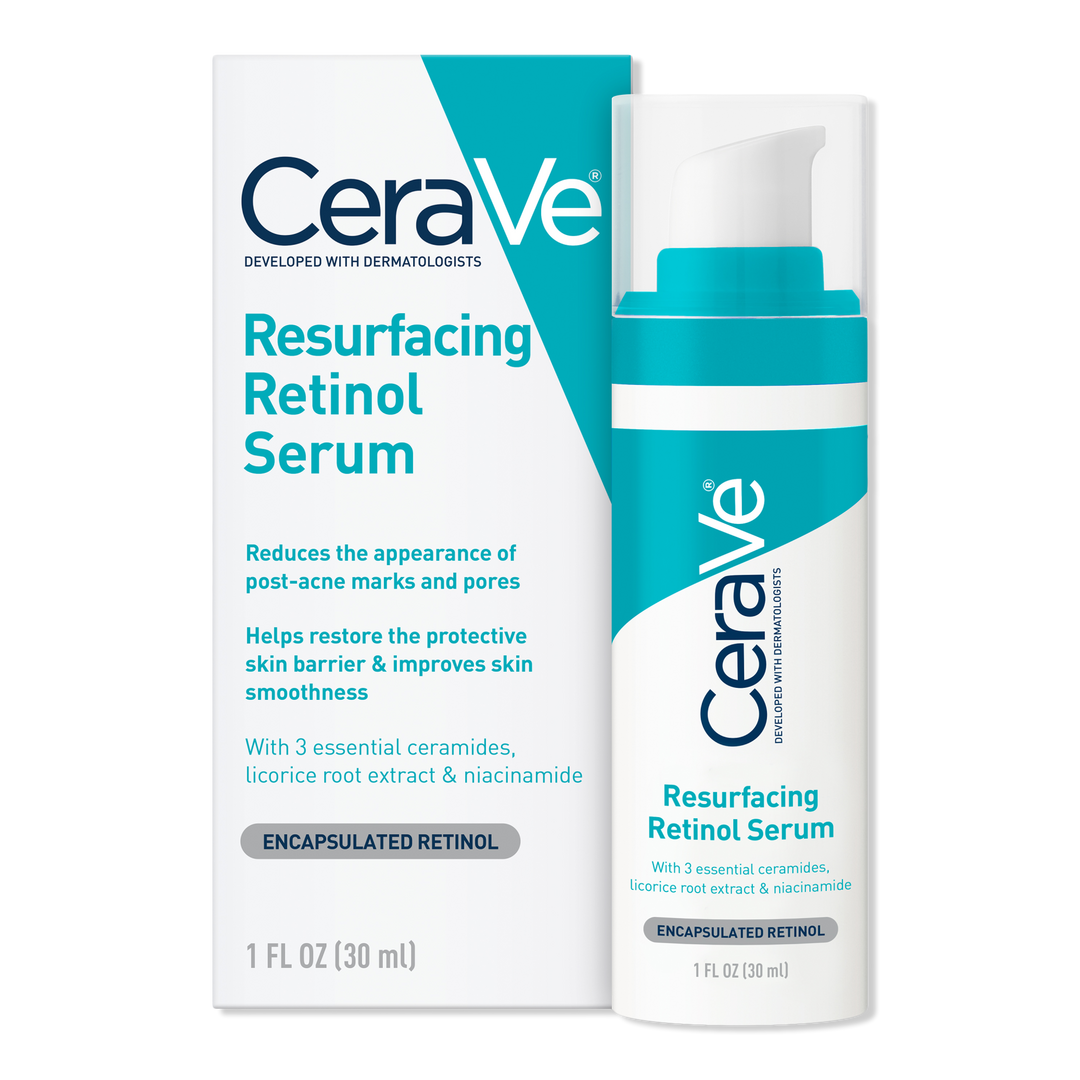
1 of 5: Best beginner-friendly retinol serum
CeraVe Resurfacing Retinol Serum
Retinol Serum | $21.99
Shop CeraVe Resurfacing Retinol Serum at Ulta Beauty →
A solid starting point if retinol is new to you. It pairs encapsulated retinol with ceramides, niacinamide and licorice root extract to support your skin barrier. Use it at night and skip exfoliating acids on the same evening.
Key specs: Serum · Encapsulated retinol · Ceramides and niacinamide listed · Fragrance-free · PM use
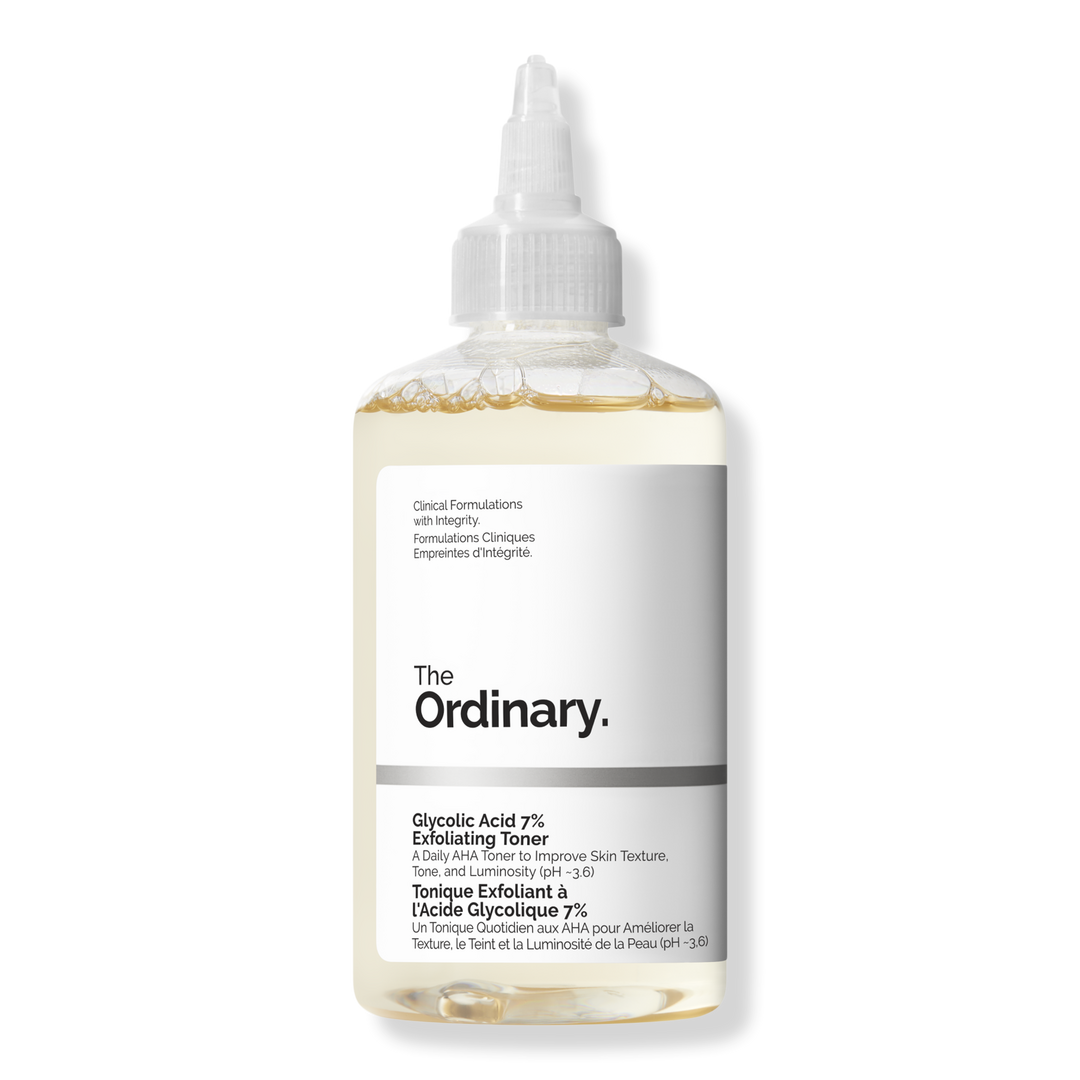
2 of 5: Best AHA toner for evening exfoliation
The Ordinary Glycolic Acid 7% Exfoliating Toner
Exfoliating Toner | $13.50
Shop The Ordinary Glycolic Acid 7% Exfoliating Toner at Ulta Beauty →
Glycolic acid helps smooth texture and brighten dull-looking skin. Keep this one on nights you're not using retinol. Follow the label directions for how often to use it, and wear SPF the next day.
Key specs: Toner · 7% glycolic acid · Also lists amino acids and aloe vera · PM use · Not for use with other strong exfoliants in the same routine
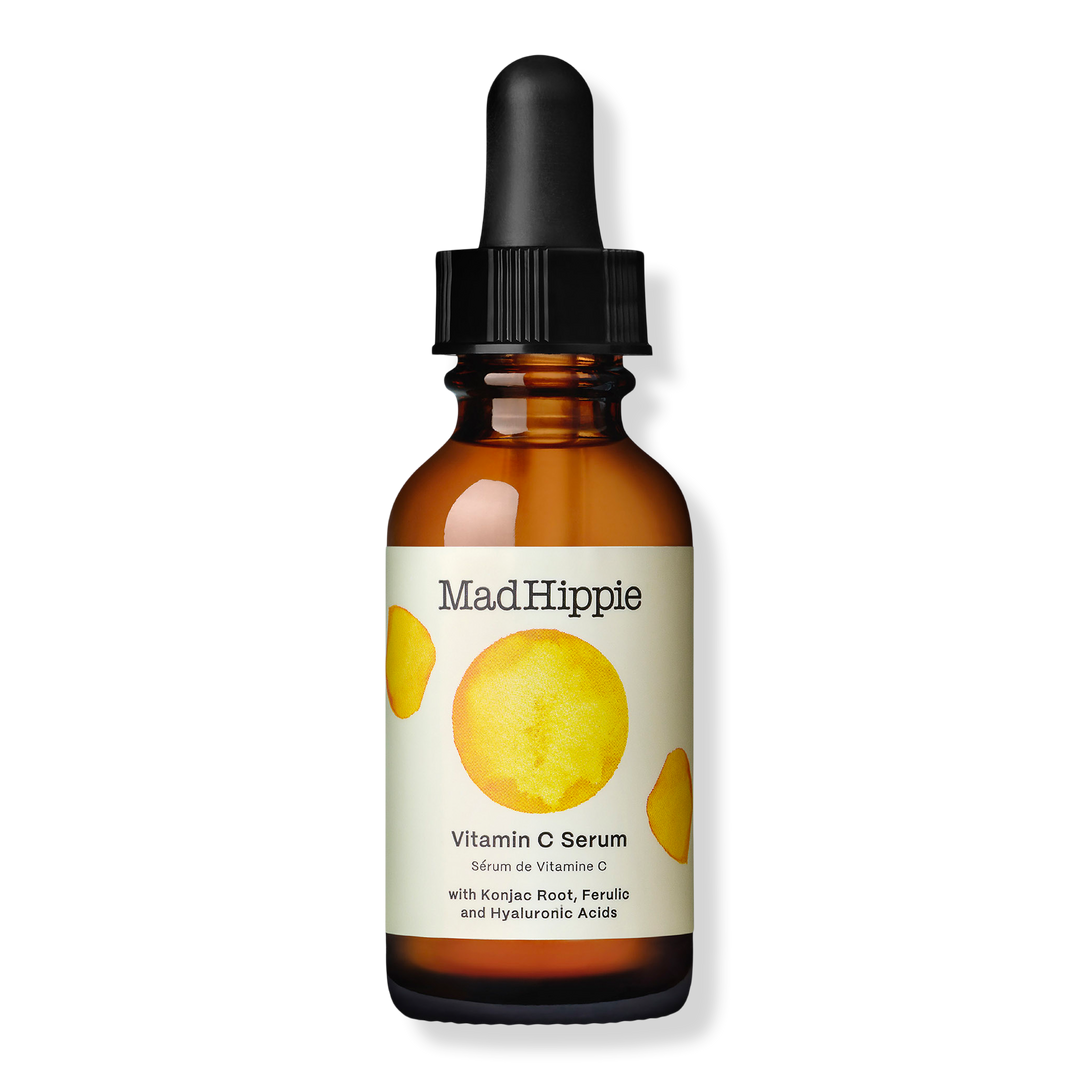
3 of 5: Best gentle vitamin C for mornings
Mad Hippie Vitamin C Serum
Vitamin C Serum | $17.99 to $33.99
Shop Mad Hippie Vitamin C Serum at Ulta Beauty →
This serum uses sodium ascorbyl phosphate, a gentler vitamin C derivative. It also lists vitamin E, ferulic acid and hyaluronic acid. Apply it in the morning before sunscreen for a brightening boost.
Key specs: Serum · Sodium ascorbyl phosphate · Vitamin E and ferulic acid listed · AM use · Pairs well with niacinamide
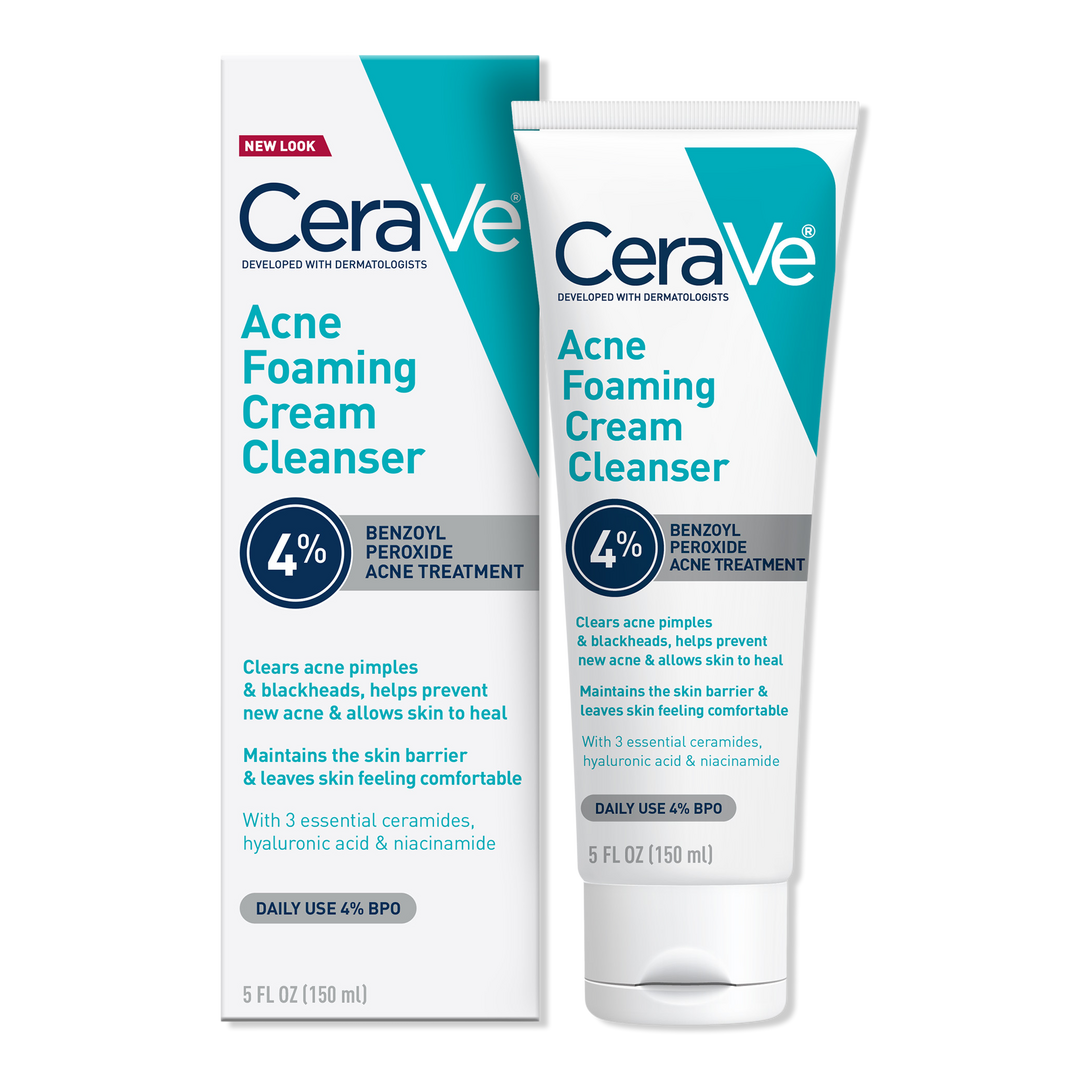
4 of 5: Best benzoyl peroxide cleanser
CeraVe Acne Foaming Cream Cleanser
Benzoyl Peroxide Cleanser | $17.99
Shop CeraVe Acne Foaming Cream Cleanser at Ulta Beauty →
A rinse-off way to work benzoyl peroxide into your routine. It contains 4% benzoyl peroxide along with ceramides and niacinamide. Use it in the morning if your nights belong to retinol.
Key specs: Cream-to-foam cleanser · 4% benzoyl peroxide · Ceramides and niacinamide listed · AM use recommended if using retinol at night · May bleach fabrics
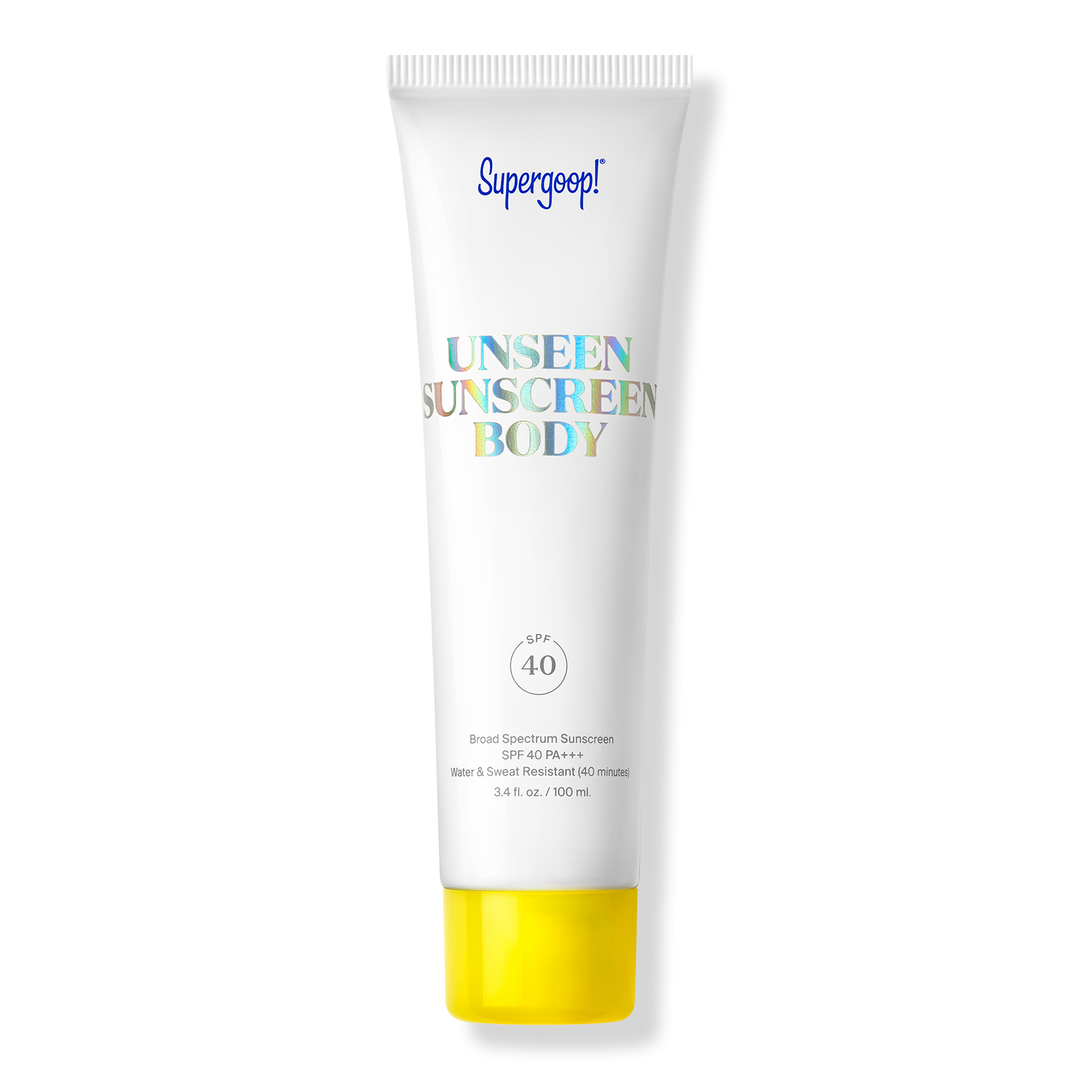
5 of 5: Best clear sunscreen for layering
Supergoop! Unseen Sunscreen SPF 40
Broad-Spectrum Sunscreen | $44.00
Shop Supergoop! Unseen Sunscreen SPF 40 at Ulta Beauty →
Invisible on all skin tones + lightweight enough to wear under makeup. That makes it an easy last step in any routine with actives. Apply generously every morning and reapply as directed.
Key specs: Gel-cream sunscreen · Broad-spectrum SPF 40 · Clear finish · Final step of AM skin care · Reapply as directed
A quick safety note
Active ingredients may not be suitable for everyone. If you're pregnant, nursing, using prescription skin care or managing a skin condition, talk with a dermatologist or healthcare provider before adding new actives.
Stop using a product and seek medical guidance if you experience a concerning reaction.
The practical takeaway
Most skin care clashes come down to timing, not total incompatibility. Retinol and exfoliating acids do better on separate nights. Benzoyl peroxide and retinol work well split between morning and night. Vitamin C and niacinamide? Usually fine together.
And sunscreen isn't optional when you use actives. It's the step that protects everything else you're doing.
Your skin, your pace. Start with one active, add slowly and let your skin tell you what it likes.
Frequently asked questions
Can I use retinol and vitamin C in the same routine?
You can, but many people prefer to separate them. Vitamin C fits nicely in the morning with sunscreen, while retinol usually works best at night. Splitting them may also help with sensitivity.
How long should I wait between layering actives?
There's no single rule. Letting each layer absorb for a minute or two can help products go on more evenly. If two actives irritate your skin when layered, waiting won't solve it. Use them at different times of day instead.
Is it okay to use hyaluronic acid with retinol or exfoliating acids?
Yes. Hyaluronic acid is a hydrating ingredient, not an exfoliant. It pairs well with most actives and may help your skin feel more comfortable.
What are signs I'm overdoing it with actives?
Watch for stinging, burning, redness, flaking, tightness or skin that suddenly feels sensitive to products you've used before. If that happens, pause your actives and stick with a gentle cleanser, moisturizer and sunscreen until your skin feels calm.
Do I still need sunscreen if I only use retinol at night?
Yes. Retinol can increase sun sensitivity even when you apply it in the evening. Daily broad-spectrum SPF helps protect your skin while you use it.
Related Content: How to Apply Hyaluronic Acid, Chemical vs Physical Exfoliation, What is Snail Mucin, At Home Beauty Treatments, Nighttime Skin Care and Beauty Routine, Best Face & Body Exfoliators
Discover more: Skincare Buying Guides and Beauty Education Articles
Get personalized recommendations with our Skincare Quiz